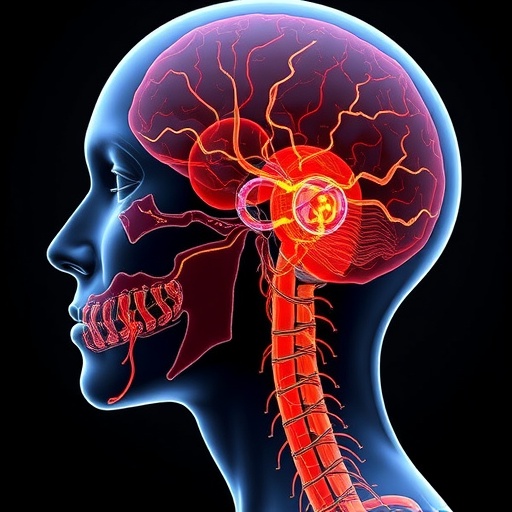
A groundbreaking study from Washington State University reveals that a single prenatal exposure to a toxic fungicide can trigger inherited health repercussions spanning 20 generations. This unprecedented finding sheds light on the persistent and profound influence of environmental toxins on genetic expression through epigenetic mechanisms, signaling a paradigm shift in our understanding of transgenerational disease inheritance.
The research, published in the prestigious Proceedings of the National Academy of Sciences, details extensive experimental work conducted on rat models to explore the long-term impacts of vinclozolin, a fungicide commonly employed in fruit agriculture to combat diseases such as blight and rot. This study, co-authored by WSU biologist Michael Skinner, pioneers the exploration of how epigenetic changes—heritable modifications in gene expression without alterations in DNA sequence—can propagate disease susceptibility far beyond the directly exposed generation.
Central to the study is the concept of epigenetic transgenerational inheritance, where environmental exposures, particularly to endocrine-disrupting chemicals like vinclozolin, can imprint on the germline—the sperm and egg cells—resulting in a cascade of health defects transmitted through multiple generations. Skinner’s findings highlight that once these epigenetic marks are established in the germline, they exhibit remarkable stability akin to permanent genetic mutations, underscoring the enduring nature of such toxic insults.
The researchers meticulously tracked disease manifestations across 20 rat generations, effectively doubling previous studies that examined only 10 generations. Their results confirmed that the prevalence of kidney, prostate, testicular, and ovarian diseases remained consistent over time, with a notable escalation in severity and prevalence emerging in later generations. Strikingly, from the 15th generation onward, they recorded sharp increases in maternal and offspring mortality associated with childbirth, indicating the emergence of lethal reproductive abnormalities linked to ancestral fungicide exposure.
Skinner emphasized that these effects occurred despite administering vinclozolin doses conservatively scaled below what humans typically ingest through diet, suggesting a significant vulnerability of epigenetic programming even to relatively low levels of chemical exposure. This insight raises pressing public health concerns regarding the ubiquitous presence of such environmental toxins and their potential to silently undermine human health across centuries.
These discoveries carry profound implications for interpreting the skyrocketing incidence of chronic diseases such as cancer, cardiovascular conditions, and autoimmune disorders observed in modern populations. The temporal disconnect between toxin exposure and disease manifestation—20 rat generations roughly correlate to 500 human years—complicates epidemiological linking but underscores the urgency of considering ancestral chemical exposures in current health assessments.
Importantly, Skinner posits that the solution may lie in the rapidly advancing field of epigenetic biomarkers. These molecular indicators can reveal an individual’s predisposition to specific diseases well before clinical symptoms appear, enabling proactive, preventative medical interventions. Currently, epigenetic biomarkers for approximately ten distinct human diseases exist, providing critical windows of opportunity to implement lifestyle changes or therapeutics that could disrupt the transgenerational cycle of disease inheritance.
This research challenges conventional paradigms that focus primarily on reactive medicine and acute exposure effects, advocating for a preventative model informed by epigenetic insights. By illuminating the molecular echoes of past environmental offenses, it empowers researchers and clinicians to anticipate and mitigate health risks rooted deeply in ancestral chemical encounters.
The stability of these epigenetic changes through many generations also prompts intense inquiry into the mechanisms safeguarding such heritable alterations. Understanding how vinclozolin and similar agents orchestrate epigenomic remodeling of germ cells could unlock novel avenues for therapeutic reversal or intervention, potentially halting the propagation of disease predisposition before it manifests.
Moreover, the findings open a broader dialogue about regulatory policies concerning environmental chemicals. Traditional toxicology often emphasizes immediate and direct toxicity, but this study spotlights the necessity to evaluate long-term, subtle, and heritable effects of low-dose exposures. This calls for reevaluated risk assessments that integrate epigenetic transgenerational consequences into public health safeguards.
In sum, the WSU research delivers a compelling and disturbing message: the legacy of toxic chemical exposures extends far beyond the immediately affected individual, embedding itself in the biological fabric of future generations. This landmark work not only advances scientific understanding of epigenetic inheritance but also urges a reevaluation of current environmental and medical practices to protect the health of generations yet unborn.
Subject of Research: Animals
Article Title: Stability of epigenetic transgenerational inheritance of adult-onset disease and parturition abnormalities
News Publication Date: 17-Feb-2026
Web References: https://doi.org/10.1073/pnas.2523071123
References: Skinner, M., Nilsson, E., Korolenko, A.A., De Santos, S. (2026). Stability of epigenetic transgenerational inheritance of adult-onset disease and parturition abnormalities. Proceedings of the National Academy of Sciences.
Keywords: epigenetic inheritance, transgenerational disease, toxic fungicide, vinclozolin, germline epigenetics, chronic disease susceptibility, epigenetic biomarkers, preventative medicine, reproductive toxicity, environmental toxins
Tags: endocrine disruptors and heritable diseasesenvironmental toxins and gene expressionepigenetic disease risk across generationsepigenetic mechanisms in disease propagationgermline epigenetic modificationsinherited health repercussions of toxinslong-term effects of agricultural fungicidesprenatal toxic exposure effectsrat model epigenetic researchtransgenerational epigenetic inheritancevinclozolin fungicide health impactWashington State University epigenetics study