


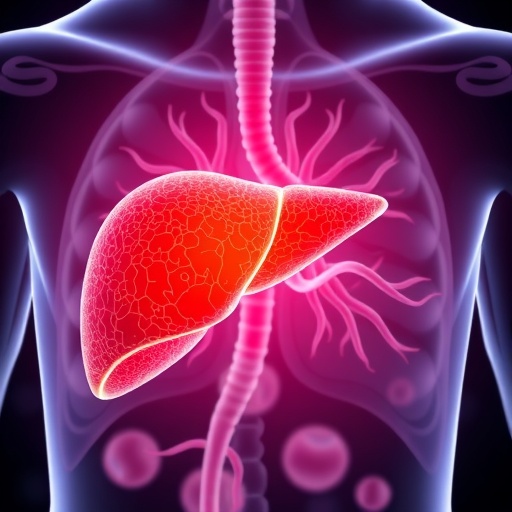
In a groundbreaking advance that could redefine the therapeutic landscape for liver cancer, a new single-arm phase II clinical trial has demonstrated the potential of combining perioperative tislelizumab with lenvatinib to treat resectable hepatocellular carcinoma (HCC). This malignancy, notorious for its high rate of recurrence after surgical resection, has long posed formidable challenges to oncologists worldwide. The study, spearheaded by Chen, L., Zhai, S., Liu, Y., and colleagues, encapsulates a pioneering approach designed to thwart postoperative relapse and to extend survival for patients at high risk of recurrence.
The essence of hepatocellular carcinoma lies in its aggressive nature and limited treatment options once recurrence occurs, underscoring an urgent need for novel perioperative therapies that not only target the primary tumor but also mitigate micrometastatic disease. The combination employed in this trial—tislelizumab, a programmed death-1 (PD-1) immune checkpoint inhibitor, plus lenvatinib, a multi-targeted tyrosine kinase inhibitor—is meticulously chosen to harness both immune modulation and anti-angiogenic mechanisms, aiming to generate a synergistic antitumor effect.
Tislelizumab’s immunomodulatory action is anchored in its capability to block PD-1 receptors on T cells, thereby revitalizing the immune response against tumor cells that evade immune detection. The efficacy of immune checkpoint inhibitors, although demonstrated in various cancers, has remained somewhat inconsistent in HCC when used as monotherapy in the perioperative setting. Integrating lenvatinib introduces a unique angle, inhibiting vascular endothelial growth factor receptors among others, which disrupts tumor blood supply and modulates the tumor microenvironment to enhance immune cell infiltration and function.
The trial design is particularly noteworthy for its timing: perioperative administration encompasses both pre- and post-surgical phases. Neoadjuvant treatment seeks to reduce tumor burden and potentially minimize tumor dissemination during surgery, while adjuvant treatment intends to eradicate residual microscopic disease. This biphasic strategy represents an evolution in HCC management, aimed at maximizing therapeutic impact during the window of surgical resection.
Participants enrolled in the study were meticulously selected based on their risk profile, specifically those bearing resectable tumors with clinical and molecular indicators pointing to a high probability of recurrence. This stratification ensures that the investigational treatment targets a population in desperate need of effective interventions. The trial outcomes demonstrate encouraging improvements in recurrence-free survival, a critical endpoint with profound implications for long-term clinical prognosis.
Beyond survival metrics, the study delves into the biological underpinnings of response, integrating comprehensive biomarker analysis. This includes evaluation of tumor immune infiltrates, PD-L1 expression, angiogenic factors, and genetic mutations, facilitating a nuanced understanding of which patients derive the most benefit from this combined modality. Such translational insights pave the way for personalized therapy tailored to tumor biology and immune landscape.
Safety evaluation is paramount in perioperative studies, where treatment-related toxicity could hamper recovery or delay surgery. The combination regimen was generally well-tolerated, with manageable adverse effects aligning with previously reported profiles of each drug when used independently. No unexpected surgical complications attributable to the therapies were observed, supporting the feasibility of integrating immunotherapy and targeted therapy into the treatment timeline surrounding liver resection.
This trial epitomizes a shift from conventional monotherapies or surgery-alone approaches to a more integrated, multidisciplinary strategy that converges systemic and locoregional treatments. The finding that perioperative combination therapy can modulate the postoperative tumor microenvironment, potentially reducing residual cancer stem cell populations, is especially promising in tackling tumor recurrence head-on.
Moreover, the utilization of lenvatinib reveals an intriguing capacity to normalize aberrant tumor vasculature. This vascular normalization theory suggests that anti-angiogenic agents, when properly timed, improve drug delivery and oxygenation, thereby enhancing the efficacy of concurrent immunotherapies. The data from this trial reinforce the significance of optimizing therapeutic sequencing and combination for maximal benefit.
The implications of this study ripple across the broader oncology field. Hepatocellular carcinoma, often linked to chronic liver disease and cirrhosis, has historically suffered from limited systemic treatment advancements. Introducing an effective perioperative regimen could set new standards for curative-intent therapy and inspire similar strategies in other solid organ cancers with high recurrence rates, such as pancreatic and gastric malignancies.
While the single-arm design limits direct comparative conclusions, the consistency of clinical and biomarker results provides a robust foundation for future randomized controlled trials. These upcoming studies may establish definitive evidence for incorporating perioperative immune-angiogenic therapy into standard HCC treatment algorithms, potentially transforming clinical guidelines globally.
Another crucial angle examined is the molecular crosstalk between tumor cells and the immune microenvironment shaped by the combination therapy. The modulation of immune checkpoints along with the suppression of protumor signaling pathways offers a dual-pronged attack, which may overcome resistance mechanisms that dampen monotherapy efficacy in HCC.
Patient quality of life is also an essential consideration reflected in this trial, as perioperative administration allows for systemic control without significantly prolonging hospitalization or recovery periods. Improved recurrence-free survival translates not only into longer life but also into meaningful extensions of symptom-free, productive years.
This study also underscores the importance of multidisciplinary collaboration among hepatologists, surgical oncologists, medical oncologists, and translational scientists. Such cooperative frameworks are instrumental in translating molecular insights into viable clinical strategies, ultimately bridging the gap between laboratory discoveries and real-world patient benefits.
Furthermore, the study advocates for comprehensive surveillance protocols post-resection, incorporating biomarker tracking and imaging, to promptly identify emergent recurrences and to tailor subsequent therapeutic interventions dynamically. This adaptive management paradigm aligns with modern precision oncology trends and patient-centric care.
In conclusion, the trial conducted by Chen and colleagues opens a new chapter in hepatocellular carcinoma management by demonstrating that the perioperative combination of tislelizumab and lenvatinib holds substantial promise in improving outcomes for patients facing this formidable disease. The intricate interplay between immune stimulation and angiogenesis inhibition encapsulated in this regimen offers a beacon of hope in oncology’s ongoing battle against tumor recurrence.
Subject of Research: Hepatocellular carcinoma treatment strategies using perioperative immunotherapy and targeted therapy combination.
Article Title: Perioperative tislelizumab plus lenvatinib treatment for resectable hepatocellular carcinoma at high risk of recurrence: single-arm phase II trial.
Article References: Chen, L., Zhai, S., Liu, Y. et al. Perioperative tislelizumab plus lenvatinib treatment for resectable hepatocellular carcinoma at high risk of recurrence: single-arm phase II trial. Nat Commun (2026). https://doi.org/10.1038/s41467-025-68108-2
Image Credits: AI Generated
Tags: antitumor effects of combination therapyclinical trial for liver cancerhepatocellular carcinomahigh-risk liver cancerimmune checkpoint inhibitorsimmune modulation in cancerinnovative cancer treatment approachesLenvatinibmulti-targeted tyrosine kinase inhibitorsperioperative cancer therapypostoperative relapse preventionTislelizumab



