In a groundbreaking study that leverages the power of artificial intelligence and social media analytics, researchers have unveiled new insights into the long-term discourse surrounding Kratom use on Reddit, one of the world’s most vibrant online communities. This paper, published in the International Journal of Mental Health and Addiction, employs dynamic topic modeling to analyze over a decade of user-generated content, painting a detailed picture of how the collective conversation around Kratom has evolved from 2010 to 2023. This comprehensive approach offers an unprecedented window into user experiences, perceptions, and emerging trends related to Kratom, a plant known for its unique psychotropic and opioid-like effects.
The methodology utilized is particularly noteworthy. Dynamic topic modeling, an advanced machine learning technique, enables the researchers to capture not only the prevalent themes in each year but also how these themes shift and morph over time. By applying this tool to an extensive corpus of Reddit posts and comments, the authors have successfully traced the arc of public sentiment and experiential narratives about Kratom through a changing legal, cultural, and scientific landscape. This dynamic longitudinal analysis represents a significant leap over traditional static content analysis, which often misses important temporal patterns and nuanced changes in discourse.
What emerges from this study is a multifaceted portrayal of Kratom use, one that transcends simplistic binaries of abuse versus medicinal benefit. Reddit users discuss a richly textured array of topics that reflect both the hopeful and the challenging aspects of Kratom consumption. These include detailed accounts of dosage and strain effects, self-medication for pain and mental health conditions, withdrawal experiences, legal and regulatory concerns, as well as social and psychological impacts. The depth and authenticity of these narratives underscore the value of social media as a data source for understanding real-world substance use practices in a largely unfiltered context.
The research team also identifies several critical shifts in community discourse that appear to correspond with external factors such as changes in regulatory environments, media coverage, and scientific publications. For instance, moments of intensified discussion about legal risks and policy debates show up clearly in topic trends, reflecting heightened user anxiety or mobilization. Likewise, periods characterized by more technical discussions of pharmacology and dosage indicate a maturing user base that is increasingly focused on harm reduction and optimized use. This highlights the adaptive nature of online conversations and points to Reddit’s role as an informal knowledge exchange platform, especially when formal scientific consensus remains limited or evolving.
One of the key findings relates to the contrasting narratives around Kratom’s potential therapeutic benefits and its risks. While many users advocate for its use in managing chronic pain, opioid withdrawal, or anxiety, others share cautionary tales about dependency, adverse effects, and the psychological toll of long-term use. The dynamic topic models reveal that these sometimes conflicting themes coexist and fluctuate in prominence, emphasizing the complexity of Kratom’s impact on individual lives and public health. Importantly, this balanced view challenges stigmatizing stereotypes that often dominate official discourses and provides a richer evidence base to inform future clinical and regulatory decisions.
The implications of this research extend beyond Kratom itself and suggest a blueprint for how social media platforms can be harnessed for public health surveillance and intervention design. By integrating sophisticated natural language processing tools with social science frameworks, researchers can generate real-time, ecologically valid insights into emerging substance use trends, preferences, and challenges. This could pave the way for more responsive and person-centered public health strategies that are grounded in the actual experiences and concerns of users, rather than relying solely on controlled clinical trials or law enforcement data.
From a technical perspective, the study exemplifies the cutting-edge intersections of AI, data science, and behavioral research. The dynamic topic modeling algorithm, which builds upon latent Dirichlet allocation (LDA), captures semantic themes that evolve over consecutive time slices, effectively mapping the trajectory of discourse. The authors also address challenges related to data heterogeneity, noise, and representativeness inherent in social media mining. They validate their models through coherence measures and triangulate findings with external epidemiological data to reinforce credibility. This methodological rigor strengthens the validity of their conclusions and sets a high standard for future research in this domain.
Moreover, the detailed temporal analysis provides actionable intelligence for policymakers and clinicians grappling with the regulation and clinical management of Kratom. The identification of periods marked by increased discussion of adverse effects or withdrawal symptoms could signal the need for targeted educational campaigns or enhanced medical surveillance. Likewise, recognizing the community’s focus on self-medication for psychiatric conditions spotlights gaps in formal healthcare systems that may drive users towards alternative therapies. The study reveals Kratom discourse as a dynamic interplay between user agency, socio-legal constraints, and evolving scientific knowledge.
The research also acknowledges limitations, including the demographic biases inherent to Reddit users, who skew younger and more tech-savvy than the general population, as well as the anonymity which complicates definitive user profiling. Additionally, online discourse might not fully capture offline behaviors or risks. Nevertheless, the longitudinal scale and analytical depth provide a robust exploratory platform that complements more traditional epidemiological studies. Future research directions proposed include integrating multi-platform data, expanding linguistic diversity, and enhancing granularity to capture subgroup-specific experiences.
In an era of rapid shifts in substance use landscapes and public attitudes, this study importantly illustrates the role of digitally mediated peer communities in shaping health behaviors and knowledge dissemination. It challenges researchers and practitioners to think beyond laboratory and clinical environments and engage with the lived realities documented in cyberspaces. The dynamic topic modeling approach could be applied to other emergent substances or health conditions to track evolving patterns and inform timely, culturally relevant interventions.
The profound value of such digital ethnographic methods lies not only in monitoring but also in amplifying user voices that are often marginalized in mainstream health discourse. As regulatory debates about Kratom continue globally, understanding the complex narratives and needs expressed by its users is crucial. This study thereby contributes a novel, data-driven foundation for evidence-informed policy and clinical treatments that honor user expertise and experience, fostering a more inclusive and nuanced approach to addiction science.
In conclusion, this research offers a timely and innovative model for harnessing the vast information troves embedded in social media discussions to reveal dynamic, real-world perspectives on substance use. The 13-year scope of the data and the sophisticated analytical framework make a compelling case for more integrated digital surveillance in mental health and addiction research. By bridging computational techniques with human-centered inquiry, the study boldly pushes the frontier of how science can respond to complex health challenges in the 21st century, promising both scientific and societal impact.
Subject of Research:
Dynamic topic modeling analysis of Kratom use and user experiences based on 13 years of Reddit discussions.
Article Title:
Dynamic Topic Modeling of Kratom Use and Experiences: Insights on 13 Years of Reddit Discussions.
Article References:
Fong, S., Carollo, A., Prevete, E. et al. Dynamic Topic Modeling of Kratom Use and Experiences: Insights on 13 Years of Reddit Discussions. Int J Ment Health Addiction (2025). https://doi.org/10.1007/s11469-025-01596-x
Image Credits:
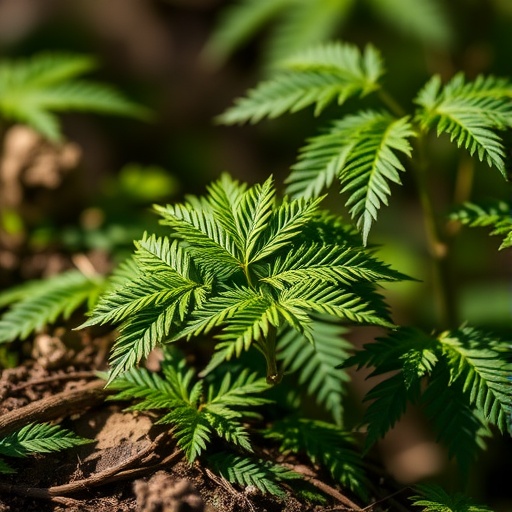
AI Generated
DOI:
https://doi.org/10.1007/s11469-025-01596-x
Tags: AI and social media analyticsdynamic topic modeling in researchevolving perceptions of KratomKratom legal status over timeKratom use discussions on Redditlong-term effects of Kratommental health and addiction studiesopioid-like effects of Kratomqualitative analysis of user-generated content.Reddit as a research tooltrends in Kratom conversationsuser experiences with Kratom