A newly published theoretical framework in Frontiers in Medicine examines the physiological consequences of gallbladder removal, presenting an evidence-based roadmap to explore whether subtle disruptions in bile acid signaling and fuel switching explain persistent postoperative symptoms. Authored by Elizabeth Farrell-Carpenter and Geralene Jones, the synthesis introduces the Cholecystectomy Cascade, a conceptual model organized into two distinct tiers to preserve clinical inquiry while establishing strict evidentiary boundaries. Rather than asserting a definitive medical syndrome, the authors separate verifiable human kinetic and metabolic observations from an explicit, untested primary prediction regarding postprandial respiratory exchange ratio responses in patients experiencing new or worsened fatigue. The authors emphasize that current scientific evidence does not justify therapeutic interventions or prove mitochondrial impairment, establishing an operational prospective framework to evaluate post-surgical human energy regulation and fuel metabolism.
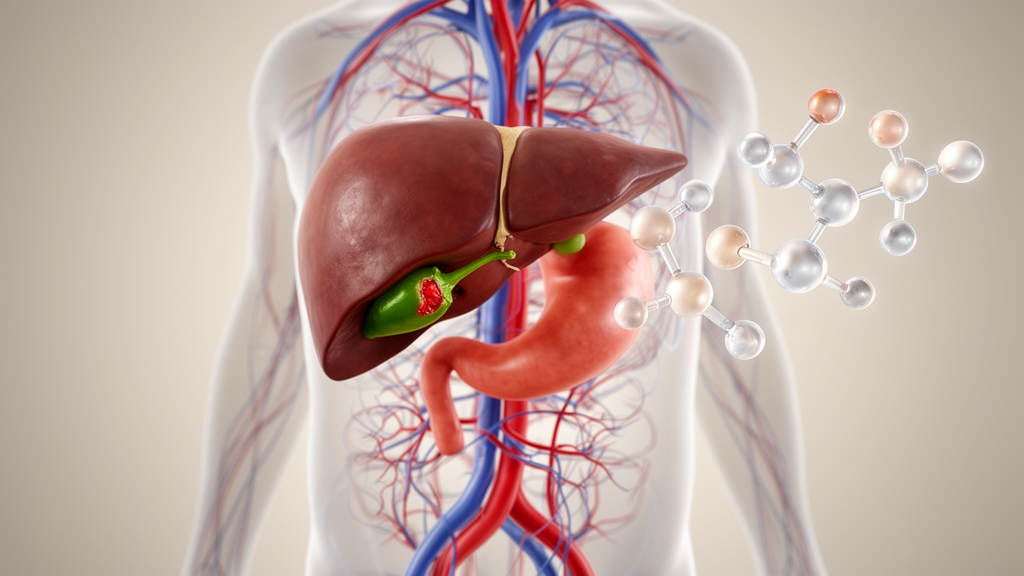
At the center of the physiological rationale is the recognition that the gallbladder serves dynamic functions extending far beyond passive bile storage. During fasting, the organ concentrates and stores hepatic bile, orchestrating a coordinated, meal-stimulated bolus into the duodenum to facilitate dietary lipid digestion. Beyond lipid digestion, bile acids act as systemic signaling molecules that activate specific receptors, including the farnesoid X receptor and TGR5. These receptor pathways govern integrated feedback loops controlling bile acid synthesis, glucose homeostasis, hepatic lipid handling, energy expenditure, and microbial ecology. Surgical removal permanently abolishes this concentrated reservoir, forcing continuous hepatic bile flow into the duodenum regardless of dietary intake. The review emphasizes that existing human studies firmly refute claims of permanent bile acid pool depletion, demonstrating instead that surgery alters the temporal organization, diurnal signaling peaks, turnover rates, and spatial distribution of enterohepatic circulation across daily feeding cycles.
Human kinetic studies cited in the synthesis demonstrate nuanced biochemical adaptations rather than uniform physiological failure after surgery. Early isotopic investigations by Roda and colleagues observed a smaller cholic acid pool alongside accelerated fractional turnover and increased intestinal degradation in post-cholecystectomy subjects compared with controls. Conversely, long-term follow-up across five to eight years by Kullak-Ublick and associates revealed that total bile acid pool size and composition did not differ significantly from baseline, suggesting that chronobiological delivery matters more than net pool quantity. Expanding on endocrine signaling, Barrera and coworkers documented an at least twofold increase in the bile acid synthesis marker 7alpha-hydroxy-4-cholesten-3-one alongside a reduced noon peak of fibroblast growth factor 19. That investigation also demonstrated that gallbladder cholangiocytes express and secrete fibroblast growth factor 19, indicating that cholecystectomy removes both an anatomical reservoir and an endocrine source, though stable-isotope tracer work by Berr and colleagues identified divergent, species-specific kinetic adjustments.
Observational and longitudinal investigations into human metabolic outcomes following cholecystectomy present a heterogeneous landscape that precludes simple causal interpretations. A prospective twenty-four-month pilot study conducted by Cortés and colleagues tracked non-obese individuals undergoing cholecystectomy, reporting modest postoperative increases in magnetic resonance-measured hepatic fat, fasting insulin, apolipoprotein B, and insulin resistance relative to stable controls. Large cross-sectional epidemiological analyses, such as an evaluation of over five thousand adults by Shen and colleagues and a NHANES analysis by Cao and coworkers, identified statistical associations with metabolic syndrome and higher body mass index. However, these cross-sectional correlations remain vulnerable to residual confounding, reverse causation, and pre-existing metabolic vulnerabilities that initially prompted gallstone development. Providing direct counterevidence to claims of uniform metabolic worsening, a cross-sectional magnetic resonance imaging study by Skudder-Hill and colleagues involving 367 participants associated prior cholecystectomy with significantly lower hepatic fat content after adjustment, an association evident primarily in participants with obesity.
Direct evaluations of human energy expenditure and substrate utilization further illustrate the complexity of postoperative metabolic adaptation under varying physiological states. In a six-month prospective cohort of patients with type 2 diabetes and gallbladder polyps, Yin and colleagues observed that surgery increased resting energy expenditure and fasting carbohydrate utilization while decreasing fat utilization, alongside improved glycemic control and lipid profiles. However, preference-based allocation and differing surgical indications limit generalization from this diabetic cohort to broader populations. Examining community phenotypes, Aydin and associates evaluated adults inside whole-room indirect calorimetry chambers, finding that individuals with prior cholecystectomy exhibited lower twenty-four-hour respiratory exchange ratios, elevated lipid oxidation, and higher sleeping energy expenditure after adjustment. Because this chamber analysis was cross-sectional, lacked preoperative baselines, and did not examine dynamic meal challenges, its findings capture steady-state oxidation patterns rather than true metabolic flexibility, which reflects the capacity to adapt fuel switching dynamically between fasting and feeding.
Controlled rodent experiments provide candidate mechanisms for how altered bile acid exposure might perturb cellular pathways, yet their findings cannot be directly applied to human clinical pathology. Murine investigations by Qi and collaborators revealed that cholecystectomy induced fasting hepatic bile acid accumulation, down-regulated PPAR-alpha-mediated fatty acid oxidation, reduced acylcarnitine intermediates, and promoted hepatic steatosis. However, exploratory blood analyses within the same report failed to reproduce these circulating metabolite changes in humans, leaving the translational bridge incomplete. Demonstrating that postoperative vulnerability is context-dependent, Xu and colleagues observed that murine cholecystectomy produced negligible hepatic lipid abnormalities under standard chow feeding, whereas severe steatosis and inflammation developed exclusively under a high-fat diet. Adding counterweight to models of inevitable metabolic deterioration, animal calorimetry by Cortés and coworkers revealed an approximate twenty-five percent increase in basal metabolic rate driven by TGR5 signaling without changing body weight, illustrating that biliary disruption can provoke neutral or compensatory metabolic adjustments.
The intricate bidirectional relationship between host bile acids and the intestinal microbiome constitutes another candidate modifying branch within the proposed framework. Bile acids shape bacterial survival within the intestinal lumen, while bacterial enzymes mediate deconjugation and conversion of primary hepatic bile acids into secondary species. Human microbiome studies cited by the authors report alterations in taxonomic composition, fecal metabolites, and inferred microbial functions following cholecystectomy, yet observed taxonomic shifts remain highly inconsistent across independent cohorts. A three-month prospective paired study of thirty-two individuals by Noh and colleagues detected no statistically significant overall alteration in gut microbial diversity, demonstrating that cross-sectional differences often reflect dietary variations, transit alterations, or pre-existing dysbiosis rather than surgery itself. Similarly, while Sung and colleagues reported positive glucose breath tests in 46.8 percent of symptomatic post-cholecystectomy patients, breath testing represents an imperfect diagnostic proxy, and stool profiles cannot confirm small intestinal bacterial overgrowth or establish microbial causality.
To overcome the interpretive limits of past observational studies, the authors formulate a prospective repeated-measures clinical study protocol designed to test the primary prediction of the Cholecystectomy Cascade. The proposed trial would track adult patients undergoing elective cholecystectomy for symptomatic gallstones across twelve months, establishing baseline measurements prior to surgery alongside evaluations at three, six, and twelve months, with six months serving as the primary endpoint. To control for confounding, surgical participants would be compared against non-surgical gallstone patients and matched gallstone-free controls. The operationalized primary metabolic parameter, designated as metric F, measures the time-weighted mean respiratory exchange ratio during the initial 180 minutes following a standardized carbohydrate-containing mixed meal, minus the mean ratio during a stable twenty-minute fasting baseline. The primary prediction posits that the within-person change in this postprandial amplitude will be significantly smaller in patients who develop new or worsened persistent fatigue than in surgical counterparts without fatigue.
The mechanistic narrative exploring this metabolic inflexibility centers conditionally on the classic glucose-fatty acid cycle without presuming irreversible cellular damage. Under defined physiological conditions, elevated cellular fatty acid availability and accelerated beta-oxidation can suppress glucose utilization through pyruvate dehydrogenase kinase activation and subsequent inhibition of the pyruvate dehydrogenase complex. However, the authors explicitly emphasize that whole-body indirect calorimetry measures total respiratory gas exchange and cannot localize biochemical lesions to pyruvate dehydrogenase or establish mitochondrial dysfunction. Furthermore, preferential fatty acid oxidation yields substantial adenosine triphosphate, demonstrating that an altered respiratory exchange ratio reflects regulatory fuel selection rather than cellular energy deprivation or systemic ATP exhaustion.
In the second tier of the paper, the authors outline an extended hypothesis connecting altered postprandial fuel regulation to five clinical domains: persistent fatigue, subjective cognitive complaints, difficulty regulating weight, perceived hormonal disturbances, and mood changes. The review cautions that these domains represent uncharacterized patient concerns and practice impressions rather than an established medical syndrome, demanding independent phenotypic definitions and separate falsification testing rather than aggregated syndrome scores. Alternative etiologies must be considered, as demonstrated by the randomized EPISOD trial, where endoscopic sphincterotomy failed to relieve pain-related disability compared with sham procedures in post-cholecystectomy patients lacking objective biliary abnormalities. Residual biliary disease, bile acid diarrhea, functional gastrointestinal disorders, visceral somatization, and psychosocial distress frequently account for persistent postoperative symptoms independently of metabolic signaling. Crucially, the authors conclude that neither tier of the Cholecystectomy Cascade validates proprietary diagnostic tests, dietary restrictions, or metabolic supplement regimens, nor does the framework alter validated indications for necessary gallbladder surgery.
Subject of Research: Bile acid signaling and metabolic flexibility after cholecystectomy
Article Title: The cholecystectomy cascade hypothesis of bile acid signaling and metabolic flexibility
Article References: Farrell-Carpenter, E., & Jones, G. (2026). The cholecystectomy cascade hypothesis of bile acid signaling and metabolic flexibility. Frontiers in Medicine, 13, Article 1933422. https://doi.org/10.3389/fmed.2026.1933422
Image Credits: AI Generated
DOI: 10.3389/fmed.2026.1933422
Keywords: cholecystectomy, bile acid signaling, metabolic flexibility, respiratory exchange ratio, fibroblast growth factor 19, farnesoid X receptor, TGR5 receptor, postoperative fatigue, pyruvate dehydrogenase, enterohepatic circulation, gut microbiota, bile acid diarrhea, small intestinal bacterial overgrowth, hepatic steatosis, non-esterified fatty acids, indirect calorimetry, cholic acid turnover, 7alpha-hydroxy-4-cholesten-3-one
News Source: Ophelia Keating. (November 16, 2026). Theoretical Framework Proposes Untested Link Between Gallbladder Removal and Metabolic Inflexibility. Scienmag.