Credit: Jessica Unda / UPV/EHU
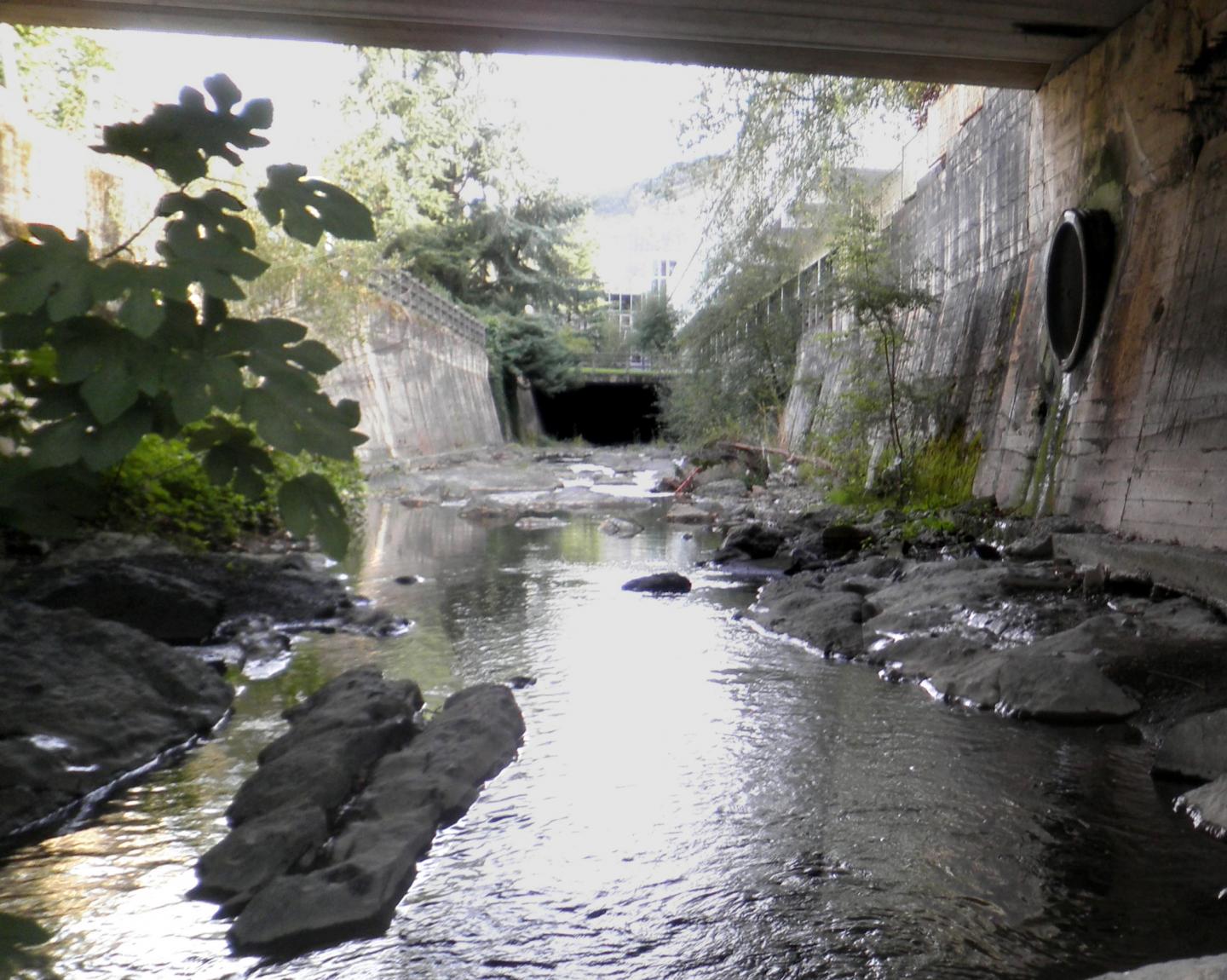
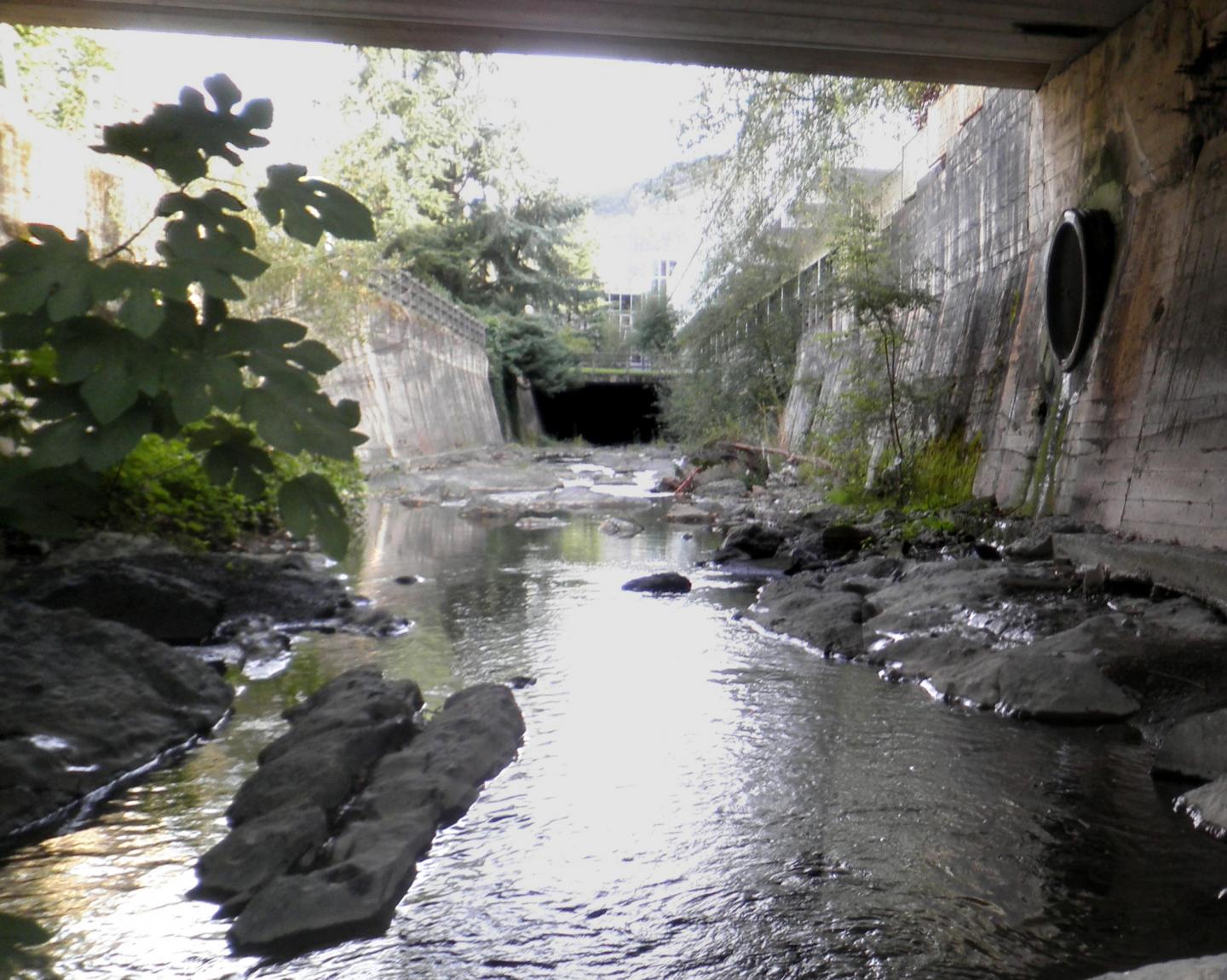
The research into contamination of sediments and particulate matter across the River Deba catchment, one of the most affected in the province of Gipuzkoa by the discharging of waste water, is currently one of the lines of research being led by Estilita Ruiz-Romera ("Hydro-environmental Processes" Consolidated Group of the UPV/EHU). Within this framework of action, the use of methodologies enabling the availability to be analysed and, by extension, the toxicity of metals in the sediment, plays a hugely important role in evaluating the impact of these contaminants on river ecosystems.
A recent study by the group has concluded that "not all the metal contained in the sediments directly affects human health, but that only a fraction of these metals can be incorporated into the human body," explained Jessica Unda, a researcher in the Department of Chemical Engineering and the Environment. In the study, the researchers analysed the bioaccessibility of the metals present in the sediments, in other words, the percentage of metal that can end up diluted in human gastrointestinal juices.
The researchers simulated in vitro the release of these metals in the gastrointestinal tract: they subjected sediment samples, which had been gathered at different locations from the River Deba catchment area in 2011 and 2012, to specific conditions characteristic of the stomach phase and the intestinal phase (conditions in terms of temperatures, enzymes, stomach acids, etc.). According to the conclusions produced by the research, "it is the discharging of urban and industrial waste water that contributes towards or discharges the more bioaccessible metals," explained Unda. "With respect to temporal variation, we have seen that in some locations the risk of human toxicity due to bioaccessibility has been reduced" due to the commissioning of the Epele (Arrasate-Mondragon) treatment plant in 2012.
Change in environmental directives
In the study they compared the results obtained by means of the method with a physiological base with others obtained through chemical methods and concluded that the physiological method "offers higher results than the chemical methods," which leads them to think that "a more realistic simulation of the conditions of the gastrointestinal tract is more suitable in the bioaccessibility analysis," said Unda. The researchers stress, in turn, that "European directives should introduce sediment and the analysis matrix, that they should go a step further. This work set out to emphasise the importance of sediment, because it is a vector that transports these metals. Yet it is a matrix that has been little studied". The Water Framework Directive stipulates that the ecological quality of a catchment must be determined using the total concentration of the metals in the sediments, "but it is not sufficient to stipulate the level of toxicity of the catchment only through the total concentration of metal in it, but it is necessary to analyse a more direct line between the metal content and human health, which would be by means of bioaccessibility," as Unda pointed out.
###
Additional information
The research was carried out within
the framework of the PhD thesis that Jessica Unda-Calvo (Bilbao, 1988), a chemical engineer with a Master's degree in Environmental Engineering Research, is writing up in the Department of Chemical Engineering and the Environment of the Faculty of Engineering in Bilbao under the supervision of Estilita Ruiz-Romera and Miren Martínez-Santos. The thesis is entitled: Efecto de la contaminación antropogénica asociada a vertidos de aguas residuales urbanas e industriales, en la composición y actividad de las comunidades microbianas en sedimentos de la cuenca urbana del río Deba (Gipuzkoa) [Effect of anthropogenic contamination associated with the discharging of urban and industrial waste water in the composition and activity of microbial communities in sediments in the urban catchment of the River Deba (Gipuzkoa)].
Bibliographic reference
Unda-Calvo J., Martínez-Santos M., Ruiz-Romera E.. 'Chemical and physiological metal bioaccessibility assessment in surface bottom sediments from the Deba River urban catchment: Harmonization of PBET, TCLP and BCR sequential extraction methods'. Ecotoxicology and Environmental Safety. Vol. 138, April 2017, p. 260-270. DOI: http://dx.doi.org/10.1016/j.ecoenv.2016.12.029.
Media Contact
Matxalen Sotillo
[email protected]
34-688-673-770
@upvehu
http://www.ehu.es
############
Story Source: Materials provided by Scienmag