

• HOME
  • NEWS
  • EXPLORE
    • CAREER
      • Companies
      • Jobs
    • EVENTS
    • iGEM
      • News
      • Team
    • PHOTOS
    • VIDEO
    • WIKI
  • BLOG
  • COMMUNITY
    • FACEBOOK
    • INSTAGRAM
    • TWITTER
Wednesday, June 24, 2026
BIOENGINEER.ORG
No Result
View All Result
  • Login
  • HOME
  • NEWS
  • EXPLORE
    • CAREER
      • Companies
      • Jobs
        • Lecturer
        • PhD Studentship
        • Postdoc
        • Research Assistant
    • EVENTS
    • iGEM
      • News
      • Team
    • PHOTOS
    • VIDEO
    • WIKI
  • BLOG
  • COMMUNITY
    • FACEBOOK
    • INSTAGRAM
    • TWITTER
  • HOME
  • NEWS
  • EXPLORE
    • CAREER
      • Companies
      • Jobs
        • Lecturer
        • PhD Studentship
        • Postdoc
        • Research Assistant
    • EVENTS
    • iGEM
      • News
      • Team
    • PHOTOS
    • VIDEO
    • WIKI
  • BLOG
  • COMMUNITY
    • FACEBOOK
    • INSTAGRAM
    • TWITTER
No Result
View All Result
Bioengineer.org
No Result
View All Result
Home NEWS

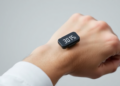
The first bionic hand that can feel

Bioengineer by Bioengineer
October 29, 2013
in NEWS
Reading Time: 2 mins read
0
Share on FacebookShare on TwitterShare on LinkedinShare on RedditShare on Telegram
 
Specifically, the hand would be attached through electrodes connected to the median and ulnar nerves, two of the main nerves in the human arm, Silvestro Micera, head of the Translational Neural Engineering Laboratory of the Ecole Polytechnique Federale de Lausanne in Switzerland, explained. The surgery would let the man communicate with his bionic hand — moving it by thinking and then recieving touch signals in response.
 
If successful, the procedure would be a breakthrough in creating sensitive prosthetics for amputees.
 
"This is real progress, real hope for amputees," Micera said at a meeting on Sunday of the American Association for the Advancement of Science, according to The Independent. "It will be the first prosthetic that will provide real-time sensory feedback for grasping. It is clear that the more sensory feeling an amputee has, the more likely you will get full acceptance of that limb. We could be on the cusp of providing new and more effective clinical solutions to amputees in the next year."
 
A 2009 version of the hand was attached to a man named Pierpaolo Petruzziello who had lost half of his arm in a car accident. But that model had only two sensory zones. The newer version has been refined to provide sensation from all fingertips as well as the palm and wrists, Micera said.
 
Petruzziello is the same person slated to receive the new version of the hand this year, according to Wired.
The process faces a couple of challenges. Can the man comfortably wear the bionic hand all the time or will he need to to remove it periodically? And where and how will doctors hide all of the necessary wiring?
The patient will wear the hand for a month to see how it fares. If the bionic hand fulfills its promise, Micera sees a working model becoming available for testing within two years.

Story Source: The above story is reprinted from materials provided by CNET News. The original article was written by Lance Whitney. IMAGE Credit: Ecole Polytechnique Federale de Lausanne

Tags: BioengineeringBionic Hand
Share12Tweet8Share2ShareShareShare2

Related Posts

Epiblast Diversification Fuels Early Blood Formation

June 24, 2026

Neutrophil S100A8/A9 Hinders Megakaryocyte Maturation

June 24, 2026

Robotic Hand That “Feels” Motion: International Study Uncovers How the Brain Detects Movement

June 24, 2026

Unveiling the Impact of TP53 Mutations in Oral Cancer: Molecular Insights and Prognostic Significance

June 24, 2026
Please login to join discussion

POPULAR NEWS

  • Saying Goodbye to PGY-6: Pediatric Fellowship Realities

    103 shares
    Share 41 Tweet 26
  • Multi-Hospital Study Reveals Long Covid Burden Is Twice as High as Current Estimates

    92 shares
    Share 36 Tweet 23
  • Detection of EDCs in Breast Milk and Infant Urine Up to Six Months Highlights Early Exposure Risks

    77 shares
    Share 31 Tweet 19
  • New Drug Candidate Developed at McMaster Shows Potential for Treating Brain Cancer

    58 shares
    Share 23 Tweet 15

About

We bring you the latest biotechnology news from best research centers and universities around the world. Check our website.

Follow us

Recent News

Epiblast Diversification Fuels Early Blood Formation

Neutrophil S100A8/A9 Hinders Megakaryocyte Maturation

Robotic Hand That “Feels” Motion: International Study Uncovers How the Brain Detects Movement

Subscribe to Blog via Email

Enter your email address to subscribe to this blog and receive notifications of new posts by email.

Join 82 other subscribers
  • Contact Us

Bioengineer.org © Copyright 2023 All Rights Reserved.

Welcome Back!

Login to your account below

Forgotten Password?

Retrieve your password

Please enter your username or email address to reset your password.

Log In
No Result
View All Result
  • Homepages
    • Home Page 1
    • Home Page 2
  • News
  • National
  • Business
  • Health
  • Lifestyle
  • Science

Bioengineer.org © Copyright 2023 All Rights Reserved.