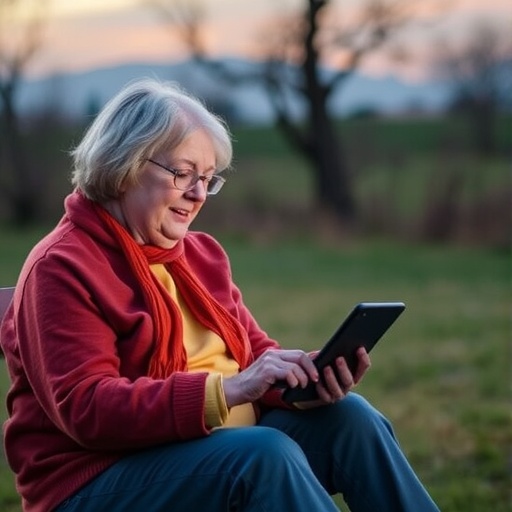
In an era where technology permeates every aspect of life, its impact on the aging population, particularly in rural settings, has become a focal point for researchers globally. A recent study explores the intricate relationships between technology use, perceived burdensomeness, and the independence of older adults living in rural areas. Conducted by Bal and Apaydin, this research underscores the dual role technology plays in enhancing independence while simultaneously stirring sentiments of burdensomeness among the elderly.
As older adults increasingly find themselves distancing from traditional support structures, technology offers a bridge to maintain connections and foster independence. This demographic often faces unique challenges due to geographical isolation and limited access to resources. In this study, the authors probe how these individuals leverage technology to overcome isolation. The findings underscore a critical paradigm shift, revealing that those who actively engage with technology report higher levels of independence in their daily lives despite the complexities of their circumstances.
One of the central themes of the research is perceived burdensomeness, which refers to the feelings of being a burden on family or community members. The study suggests that technology can serve both as a facilitator of independence and as a magnifier of these burdensome feelings. For many older adults, the inability to navigate digital platforms or the feeling of being left behind technologically can exacerbate a sense of dependency. The study’s participants reflected on this duality, highlighting instances where technology alleviated feelings of isolation but also triggered vulnerabilities regarding their reliance on family members for technological assistance.
Another vital aspect discussed in the research is the role of social engagement facilitated by technology. The ability to connect with friends and family through video calls, social media, or messaging apps significantly enhances the quality of life for older adults. However, the authors point out that those who feel they lack adequate technological skills may be less likely to engage socially, perpetuating isolation and low self-esteem. This paradox illustrates the importance of education and support systems that can help older adults bridge the technological gap and ultimately foster their independence.
Moreover, the research highlights the diversity in technology adoption among rural older adults. Factors such as socioeconomic status, education level, and personal inclination towards technology shape how these individuals interact with digital tools. The study notes that while some older adults embrace new technologies, others remain hesitant or resistant, often due to fear or unfamiliarity. Consequently, these disparities can lead to a significant divide in terms of social engagement and independence.
The study also delves into the perception of independence among older adults in rural areas. Independence is not solely about physical capabilities; it encompasses emotional and social dimensions as well. Many participants articulated that feeling independent was closely tied to their ability to communicate and connect with others, which tech facilitated. Nonetheless, the authors caution against romanticizing independence, suggesting that it is equally crucial to acknowledge the inevitable dependence on technology in modern life.
A staggering statistic from the study indicates that nearly half of the participants expressed feelings of burdensomeness related to their reliance on digital communication. This statistic sheds light on an urgent need for community initiatives aimed at boosting the confidence of older adults in navigating technology. Programs that provide hands-on guidance in using various digital platforms could mitigate feelings of being a burden while enhancing the overall quality of life.
In addition to immediate familial implications, the research suggests broader societal consequences of these technological dynamics. As the population ages, the pressure on healthcare systems and family caregivers intensifies. Technology has the potential to relieve some of this pressure by enabling older adults to manage their health, partake in telemedicine services, and access information independently. The findings advocate for a proactive stance in integrating technology into elder care solutions, potentially revolutionizing how care is delivered.
Bal and Apaydin’s study also raises concerns regarding the digital divide, emphasizing that not all rural older adults have equal access to technological infrastructure. Many regions lack reliable internet services, further complicating efforts to implement technology-based solutions to combat isolation. The authors argue that addressing this infrastructural issue is vital to ensure that all rural older adults can benefit from technological advancements.
Reflecting on the findings, it becomes evident that a one-size-fits-all approach does not serve the diverse needs of older adults in rural settings. Tailored strategies that revolve around the unique experiences and skills of this demographic are essential for effectively promoting independence. By considering individual preferences and challenges, communities can develop more inclusive technological initiatives.
In the discussion of future study directions, Bal and Apaydin suggest exploring intergenerational technological training programs. Such initiatives could not only enhance the technological savviness of older adults but also strengthen community bonds, as younger generations can share their skills and knowledge in a supportive environment. This cooperative learning approach could alleviate some of the burdens felt by the elderly while fostering a sense of purpose and belonging.
Overall, the search for solutions to enhance the quality of life and independence among rural older adults through technology raises critical questions about society’s aging framework. Bal and Apaydin’s research provides a fresh perspective, compelling stakeholders to rethink traditional support mechanisms. It serves as a call to action for communities to invest in technological education, bridge the digital divide, and address the emotional and social dimensions of aging.
Technology, while empowering, is not without its complexities. The relationship between technology use, perceived burdensomeness, and independence invites ongoing discourse among researchers, policymakers, and communities alike. As we navigate an increasingly digital era, ensuring that older adults feel supported, empowered, and engaged is essential. The challenge lies not only in providing technology but also in creating environments where older adults can thrive, free from the shadow of burdensomeness.
The findings of this study ultimately pave the way for future research and initiatives aimed at improving the integration of technology into the lives of rural older adults. By fostering independence and reducing feelings of burdensomeness, society can create a more inclusive and supportive environment for those navigating the complexities of aging in a digital world.
Subject of Research:
Understanding the relationship between technology use, perceived burdensomeness, and independence among rural older adults.
Article Title:
Associations between technology use, perceived burdensomeness, and independence among rural older adults.
Article References:
Bal, B., Apaydin, E. Associations between technology use, perceived burdensomeness, and independence among rural older adults. BMC Geriatr (2026). https://doi.org/10.1186/s12877-026-07073-x
Image Credits:
AI Generated
DOI:
10.1186/s12877-026-07073-x
Keywords:
Technology, Independence, Older Adults, Rural Health, Perceived Burdensomeness, Social Engagement
Tags: bridging support for rural elderlychallenges for older adults in rural areasdigital engagement in seniorsenhancing independence with technologyfeelings of burdensomeness in older adultsgeographical isolation and technologyimpact of technology on agingindependence in aging populationperceived burdensomeness in elderlyresearch on technology and seniorsrural seniors technology usetechnology and social connections