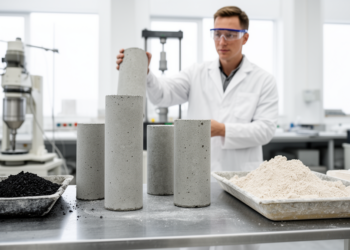
Sugarcane ash and limestone sludge yield stronger, greener concrete predicted by AI
Researchers combined sugarcane bagasse ash, lime sludge ash and polypropylene fibres to make stronger, less permeable concrete, and trained a ...
Researchers combined sugarcane bagasse ash, lime sludge ash and polypropylene fibres to make stronger, less permeable concrete, and trained a ...
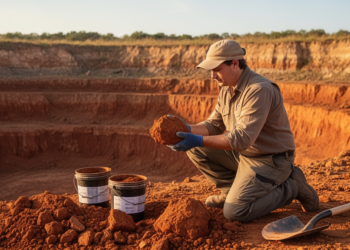
A new review shows that limestone calcined clay cement's performance hinges on clay mineralogy, offering durable low-carbon concrete for regions ...
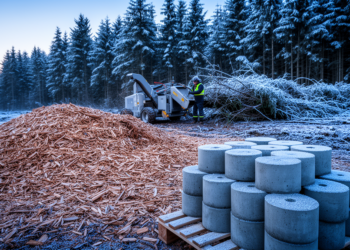
A new review separates wood ash, biochar, and wood fiber into distinct material classes for low-carbon concrete, warning that laboratory ...
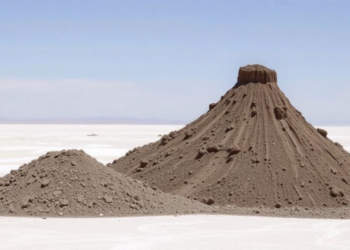
A 360-day electrochemical campaign on ten volcanic-SCM reinforced mortars in five media finds that exposure chemistry, not binder formulation, dominates ...
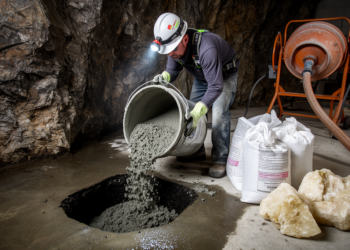
A sequential laboratory study shows that combining bentonite, metakaolin and quicklime can cut cement content in underground backfill grouts while ...
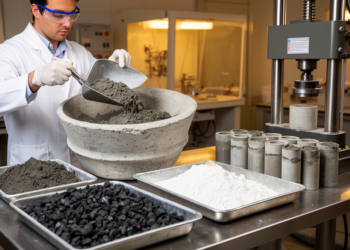
Researchers found that blending steel slag with phosphorus slag and spontaneously combusted coal gangue in a 7:1:2 ratio yields a ...
A systematic analysis of 57 studies finds that heating and CO2-treatment reactivate recycled cement paste through fundamentally different chemistry, with ...
Researchers trained an explainable XGBoost model on 1,670 field-recorded concrete mixes, achieving R-squared 0.9263 in strength prediction while using SHAP ...
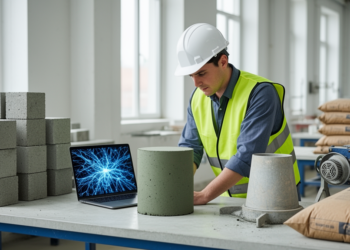
Researchers used explainable machine learning to predict and interpret the compressive strength of sustainable SCM-based concrete, finding LightGBM the most ...
A new study shows that concrete made with up to 80 percent less cement develops a denser, stronger interfacial transition ...