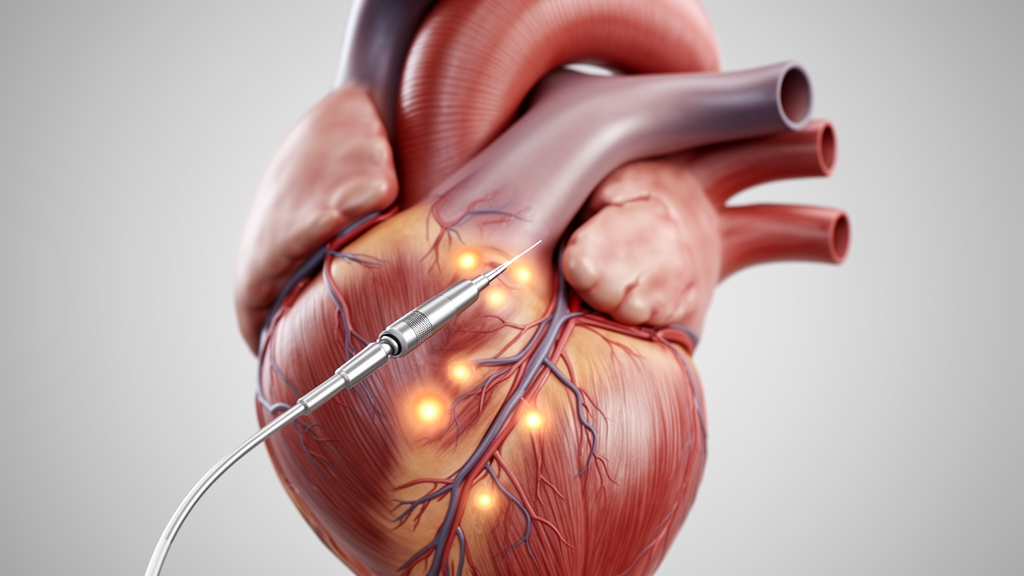
A comprehensive network meta-analysis of randomized controlled trials shows that catheter ablation and atrioventricular node ablation combined with cardiac resynchronization therapy significantly reduce all-cause mortality in patients managing coexisting heart failure and atrial fibrillation. The analysis systematically assessed comparative efficacy and safety profiles across various medical and procedural interventions commonly deployed for this high-risk population.
Patients diagnosed with both heart failure and atrial fibrillation face elevated risks of decompensation and premature death, presenting a continuous clinical challenge regarding optimal management. Investigators searched five electronic databases, including PubMed, Embase, CENTRAL, Web of Science, and Google Scholar, through November 30, 2025, without language limits, identifying parallel-group trials evaluating adults with clinically diagnosed heart failure and documented atrial fibrillation.
The systematic review gathered twenty-three randomized controlled trials encompassing 5,159 adult participants across parallel treatment arms. Evaluated strategies included catheter ablation, atrioventricular node ablation with cardiac resynchronization therapy, atrioventricular node ablation with right ventricular pacing, medical rate control, drug-based rhythm control, and conventional medical approaches. The primary evaluated clinical endpoints were all-cause mortality and heart failure hospitalization.
In the analysis of all-cause mortality spanning twenty-one trials and 5,095 participants, atrioventricular node ablation paired with cardiac resynchronization therapy demonstrated an odds ratio of 0.30 relative to conventional therapy. Catheter ablation similarly yielded an odds ratio of 0.53 compared to conventional therapy. Furthermore, atrioventricular node ablation with cardiac resynchronization therapy outperformed medical rate control with an odds ratio of 0.35 and right ventricular pacing with an odds ratio of 0.49.
Secondary clinical comparisons demonstrated additional distinct variations among procedural options. For heart failure hospitalizations across nine trials involving 3,491 patients, atrioventricular node ablation with cardiac resynchronization therapy reduced relative risk compared to right ventricular pacing, generating an odds ratio of 0.20. For worsening heart failure assessed across seven trials with 2,542 patients, resynchronization pacing also proved superior, yielding an odds ratio of 0.41.
Procedural approaches also influenced patient-reported wellbeing and cardiac functional measures. Catheter ablation generated significant improvements in quality of life compared to both atrioventricular node ablation with cardiac resynchronization therapy, with a standardized mean difference of minus 0.94, and medical rate control, with a standardized mean difference of minus 0.73. Catheter ablation additionally enhanced left ventricular ejection fraction versus medical rate control, demonstrating a standardized mean difference of 1.49.
No clear between-strategy differences emerged regarding cardiovascular mortality among the analyzed randomized trials. The researchers noted that while both catheter ablation and resynchronization-paired nodal ablation offered prognostic advantages, catheter ablation provided more consistent enhancements in ejection fraction and quality of life. The findings indicate that when atrioventricular node ablation is pursued, cardiac resynchronization therapy should be preferred over conventional right ventricular pacing.
Subject of Research: Comparative effectiveness of interventional and medical interventions for atrial fibrillation in heart failure
Article Title: Comparative Effectiveness and Safety of Interventions for Atrial Fibrillation in Heart Failure: A Network Meta‐Analysis of Randomized Trials
Article References: Deng, C., Xu, Y., Adilijiang, A., Wang, Z., Pan, Y., Fan, C., Liu, B., Lv, H., Hou, J., & Wu, T. (2026). Comparative Effectiveness and Safety of Interventions for Atrial Fibrillation in Heart Failure: A Network Meta‐Analysis of Randomized Trials. Cardiovascular Therapeutics, 2026(1), Article 6035178. https://doi.org/10.1155/cdr/6035178
Image Credits: AI Generated
DOI: 10.1155/cdr/6035178
Keywords: atrial fibrillation, heart failure, catheter ablation, atrioventricular node ablation, cardiac resynchronization therapy, right ventricular pacing, medical rate control, drug-based rhythm control, network meta-analysis, randomized controlled trials, all-cause mortality, heart failure hospitalization, left ventricular ejection fraction, quality of life, worsening heart failure, cardiovascular mortality
News Source: Ophelia Keating. (November 23, 2026). Catheter Ablation and Resynchronization Pacing Reduce Mortality in Heart Failure. Scienmag.