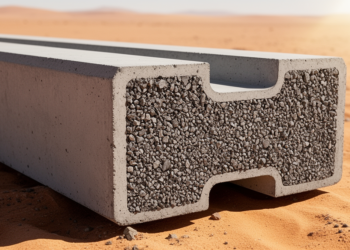
Slag Replacement in Desert Railway Concrete Sleepers Significantly Reduces Chloride Penetration
Replacing up to 40 percent of Portland cement with ground-granulated blast furnace slag in railway sleeper concrete reduced chloride ion ...
Replacing up to 40 percent of Portland cement with ground-granulated blast furnace slag in railway sleeper concrete reduced chloride ion ...
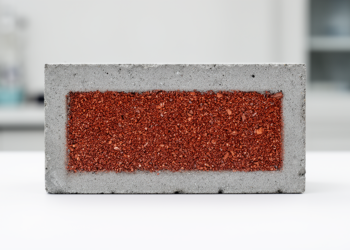
A systematic review indicates that replacing up to twenty percent of cement or thirty percent of fine aggregate with copper ...
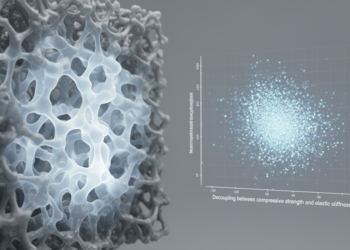
A quantitative synthesis of 229 experimental records reveals that compressive strength cannot reliably predict the mechanical properties of nanomaterial-modified geopolymer ...
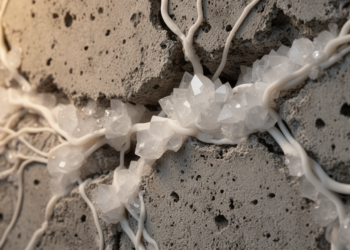
Surface sealing of cement mortar using the filamentous fungus Trichoderma reesei increased compressive strength by 25.81 percent over abiotic chemical ...
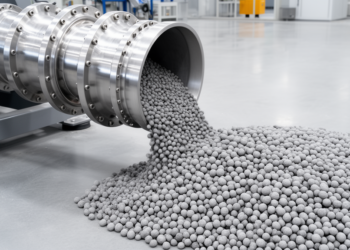
Researchers have developed a cement-free, double-roll extrusion cold-bonding method that transforms industrial lithium slag into lightweight aggregates with robust compressive ...
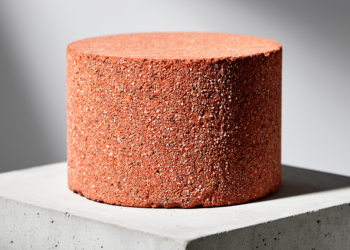
Incorporating 125-micrometer silica sand into recycled fired clay brick geopolymers achieved peak compressive strengths of up to 64.89 megapascals by ...
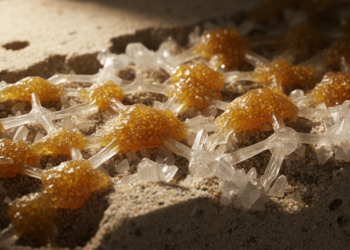
Pre-growing bacterial biofilms directly on aggregate particles significantly boosts mineral precipitation, refines internal pore architecture, and multiplies compressive strength in ...
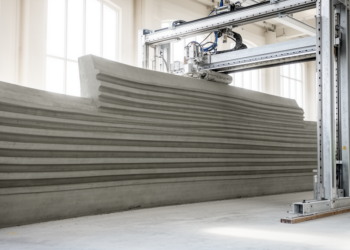
A new review finds CO2 mineralization can improve printability, strength, and interlayer bonding in 3D printed concrete, but barriers remain.
New research shows that naturally occurring halloysite nanotubes, dispersed with a common superplasticizer, dramatically improve cement mortar's resistance to sulfate ...