
Postoperative Atrial Fibrillation Most Often Begins One to Three Days After Surgery
A study of more than 7,700 cardiac surgery patients found that sustained postoperative atrial fibrillation was most frequently first documented ...
A study of more than 7,700 cardiac surgery patients found that sustained postoperative atrial fibrillation was most frequently first documented ...
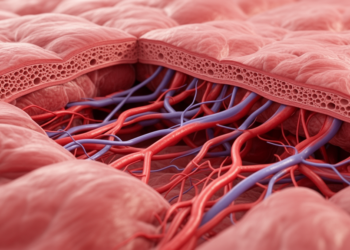
A study of 4,078 intensive care patients found that an elevated lactate dehydrogenase to albumin ratio reflects hypoperfusion rather than ...

A dual-stream network showed cohort-dependent discrimination for acute kidney injury prediction across three intensive care cohorts but exhibited persistent risk ...

A retrospective cohort investigation suggests that the clinical associations of corticosteroid timing in septic shock vary substantially depending on dynamic ...

A retrospective cohort study of 1,002 hospitalized adults found concomitant infective endocarditis recorded in nearly one in ten spinal infection ...

A new study identifies three distinct ARDS subphenotypes with unique, time-varying hemodynamic risk profiles regarding hospital mortality.

Researchers developed a modular framework that repurposes continuous diagnostic scores from electrocardiogram foundation models into tree-based classifiers to detect low ...

In retrospective hospital cohorts and public genomic samples, clinical carbapenem resistance models showed modest transportability while genomic contrasts proved sensitive ...
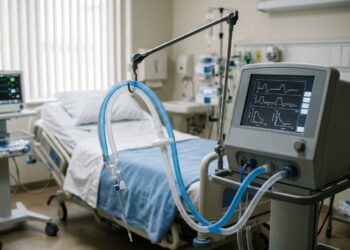
In a study of 934 ventilated patients with acute respiratory distress syndrome complicated by sepsis, researchers developed parallel machine learning ...
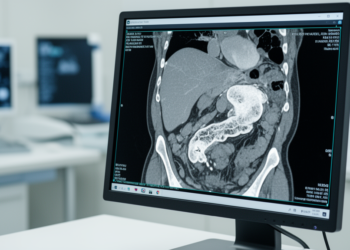
A retrospective cohort study found that early abdominal CT in acute pancreatitis identified potentially actionable findings in 12.1 percent of ...

A landmark retrospective study evaluated whether co-occurring leukocytosis and hyperglycemia measured during the first day in the intensive care unit ...

A six-variable random forest machine-learning model demonstrated useful discrimination for predicting 28-day mortality among critically ill intensive care unit patients ...

A retrospective landmark study reveals that persistent perfusion failure at 48 hours is strongly associated with increased 28-day mortality among ...
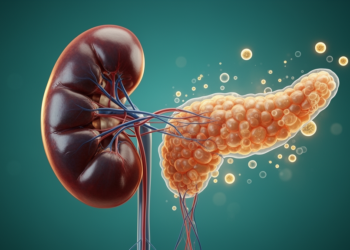
A retrospective cohort study found that composite inflammatory indices provided limited predictive performance alone and offered no significant incremental benefit ...

Researchers found that elevated serum immunoglobulin A was associated with increased mortality among sepsis patients with preserved immunoglobulin G in ...

A lower first serum chloride measurement obtained within six hours of admission to an intensive care unit is associated with ...

Researchers developed a six-predictor survival model using MIMIC-IV data that accurately predicts 28-day mortality in patients with gut-derived sepsis.

A dual-database landmark study of adults with acute brain injury found that dynamic chloride trajectory patterns were structurally reproducible across ...
A two-database study reveals that evaluating both serum creatinine and urine output identifies critically ill patients with cirrhosis at higher ...

A paired factorial evaluation demonstrates that parameter-efficient fine-tuning drives major quality gains in automated intensive care discharge summaries while style-based ...