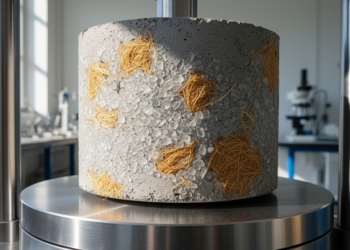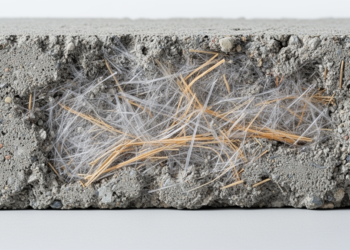
Hybrid Fiber Reinforcement Boosts Seawater Concrete Strength by Thirty Percent
A comprehensive review of 178 studies reveals that combining discrete fibers with polymer composites improves seawater concrete strength through additive ...
A comprehensive review of 178 studies reveals that combining discrete fibers with polymer composites improves seawater concrete strength through additive ...

Experimental investigations reveal that replacing 9 percent of cement with metakaolin dramatically enhances the residual compressive strength and microstructural stability ...
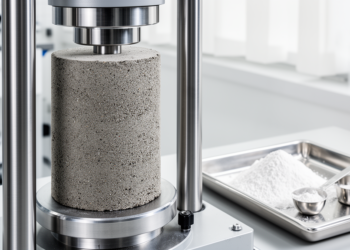
A comprehensive geotechnical investigation demonstrates that incorporating twelve percent silica fume significantly enhances the density, stiffness, and compressive strength of ...
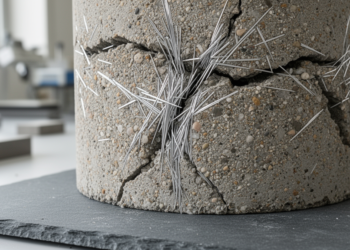
Researchers found that incorporating one percent waste aluminum fibers into high-strength concrete enhances mechanical performance and eliminates added fiber material ...
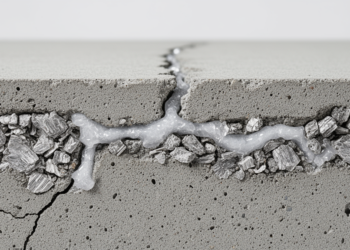
Researchers have demonstrated that integrating sodium silicate-impregnated expanded vermiculite into cement mortar achieves a seventy-five percent crack-healing efficiency under water ...
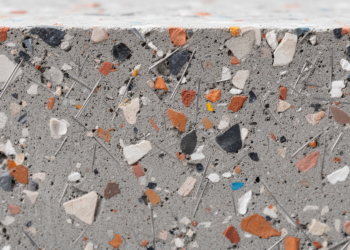
A systematic review indicates that replacing specific proportions of concrete aggregates with recycled ceramic waste and fibers improves compressive strength ...
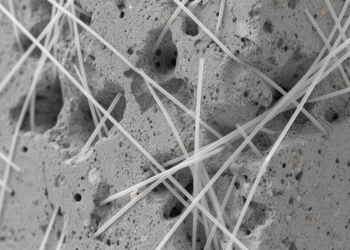
Adding polypropylene fibers to alkali-activated slag concrete reduced lateral dilation and extended creep lifetime under severe sustained stress by up ...
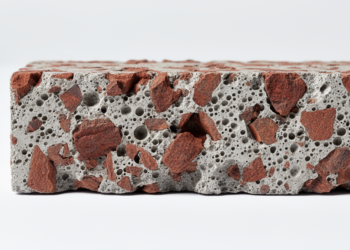
Researchers developed heat-free lightweight ultra-high performance concrete using discarded fine sintered shale pottery sand, achieving high strength while substantially lowering ...
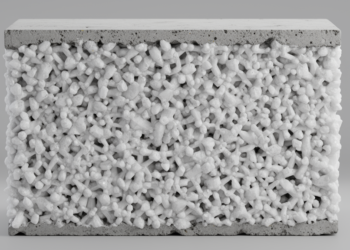
Sequential water and carbonation curing reduced porosity and optimized mechanical performance in CO2-injected mortar while digital image correlation revealed interface ...
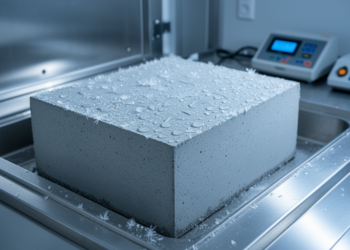
Adding metakaolin to self-compacting concrete with marble and kiln dust fillers cuts freeze-thaw surface scaling by over half while refining ...
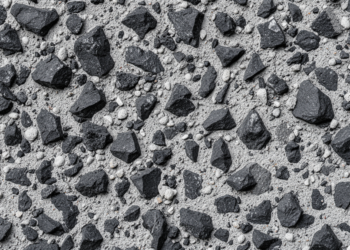
A systematic review indicates that coal gangue aggregate concrete maintains structural reliability when paired with targeted modifications, composite structural systems, ...
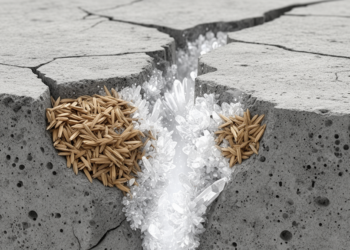
Immobilizing Bacillus paramycoides on raw rice husk enables microbially induced calcium carbonate precipitation that seals concrete cracks up to 1154 ...
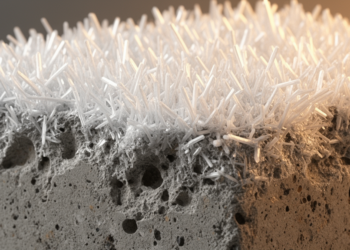
A biomimetic hydroxyapatite mineralization treatment on recycled coarse aggregates narrowed interfacial defects and increased concrete elastic modulus by 17.4 percent.
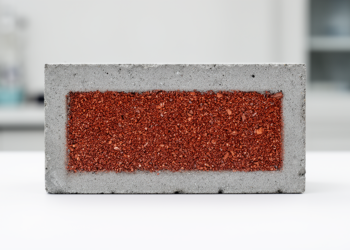
A systematic review indicates that replacing up to twenty percent of cement or thirty percent of fine aggregate with copper ...
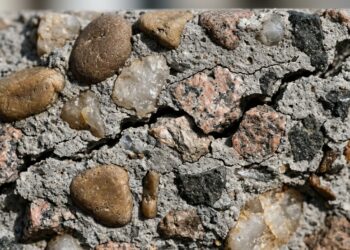
A study using modeled natural aggregate concrete demonstrates that increasing aggregate size and quantity enhances shear resistance by expanding the ...
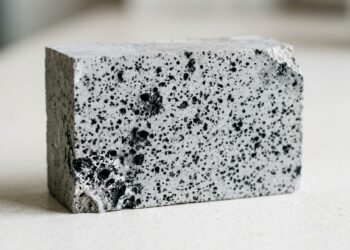
Researchers developed an indirect mineralization method using carbide slag to deposit calcium carbonate within biochar pores, producing carbon-negative cement pastes ...
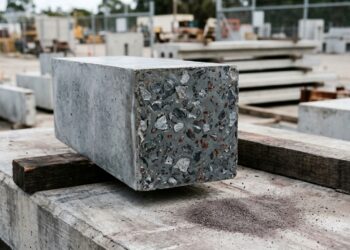
Researchers developed a characterization framework demonstrating that balanced blends of fine and coarse iron ore tailings can replace 100 percent ...
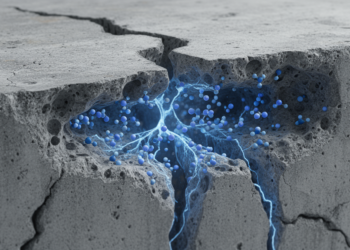
A comprehensive literature review examines two decades of numerical simulation methods for chloride transport in concrete, detailing multi-scale coupling strategies, ...
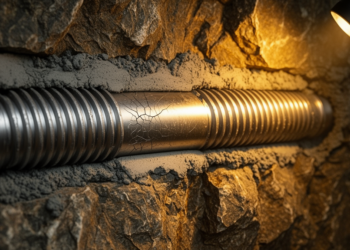
A systematic investigation reveals that elevated temperatures degrade cement-based rock bolt interfacial bonding far more severely than matrix compressive strength, ...
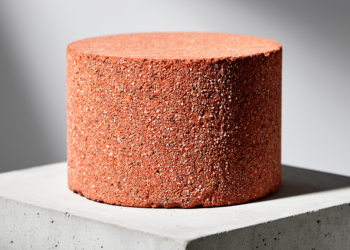
Incorporating 125-micrometer silica sand into recycled fired clay brick geopolymers achieved peak compressive strengths of up to 64.89 megapascals by ...