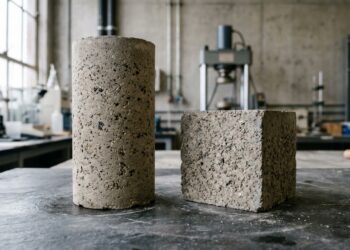
Ternary Geopolymer Mixes Reach 15.2 MPa Strength
A study published in Discover Concrete and Cement found that a ternary binder mix of cement, fly ash, and silica ...
A study published in Discover Concrete and Cement found that a ternary binder mix of cement, fly ash, and silica ...
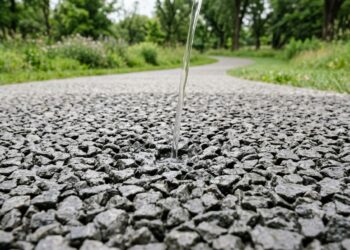
Researchers optimized multi-source solid waste geopolymer pervious concrete to achieve robust compressive strength alongside superior water permeability through interconnected pore ...
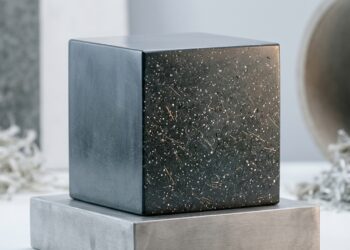
Egyptian researchers converted ground glass wool insulation waste into an alkali-activated binder that reached 85.3 MPa compressive strength with 2 ...
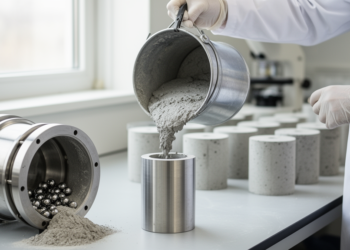
Ball milling fly ash and slag with solid alkali activator produced a one-part geopolymer with 240 mm fluidity, 47.5 MPa ...
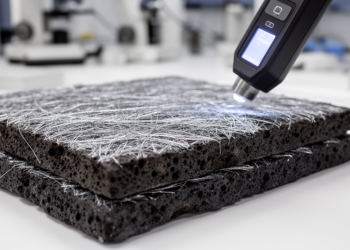
Researchers in Turkey have developed rhyolitic tuff geopolymer tiles reinforced with carbon fibers and zinc oxide that achieve up to ...
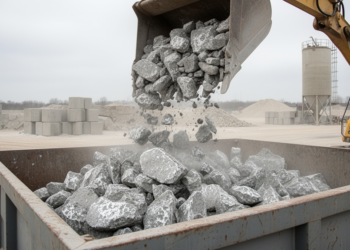
A new study shows that concrete slurry waste pressurized with supercritical CO2 can replace up to 25 percent of slag ...
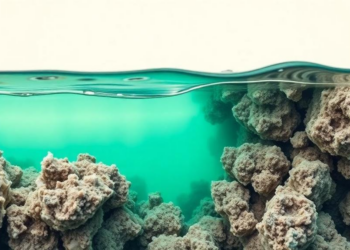
Researchers have created a porous geopolymer adsorbent from metakaolin and silica fume, using hydrogen peroxide foaming and oil templating, that ...
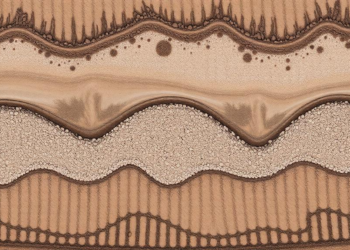
Researchers show that an alkali-activated blend of fly ash and blast furnace slag can stabilize dredged waste soil for embankments, ...
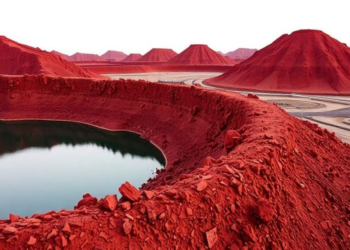
Researchers replaced fly ash in carbon-fiber-reinforced geopolymer with red mud and ore tailings, achieving up to 33.5 decibels of X-band ...
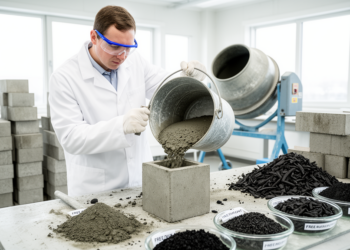
A systematic study of rubberized alkali-activated concrete shows that fine crumb rubber particles under one millimeter preserve strength while boosting ...
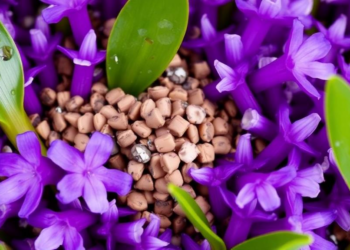
Thai researchers have turned invasive water hyacinth into pelletized diatomite-based geopolymer adsorbents that remove up to 77 percent of methylene ...
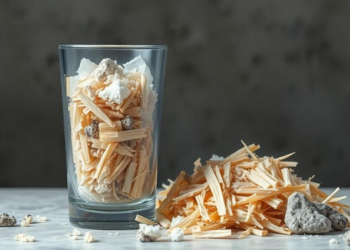
A systematic analysis of 40 concrete mixes shows that activators synthesized from waste glass and rice husk ash match commercial ...