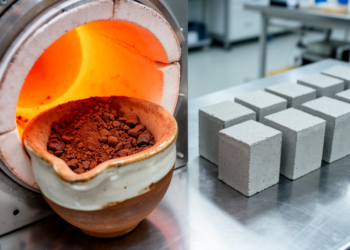
Thermal Activation of Iron Tailings at 800 Degrees Boosts Salt Cement Strength
Heating iron tailings to 800 degrees Celsius transforms inert mineral phases into reactive amorphous substances, boosting the 28-day compressive strength ...
Heating iron tailings to 800 degrees Celsius transforms inert mineral phases into reactive amorphous substances, boosting the 28-day compressive strength ...
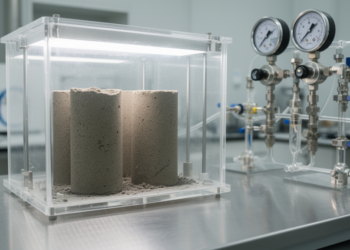
Accelerated carbonation applied during early curing enables paper sludge ash to stabilize lead-contaminated surplus clay, neutralizing soil alkalinity while meeting ...
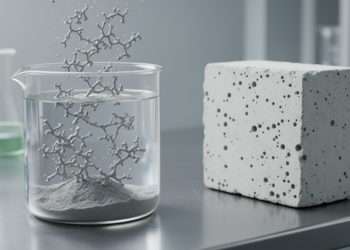
A new study links the fractal geometry of pore structures in activated red mud cementitious materials to both compressive strength ...
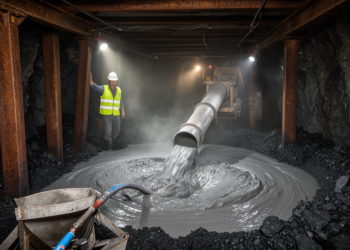
Chinese researchers show that highly saline concentrated mine water can replace tap water in coal-waste backfill, boosting early strength when ...
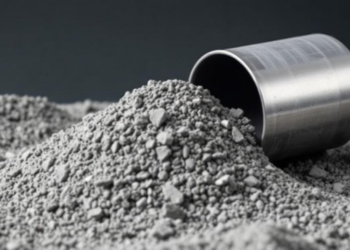
New research shows that the rate at which clinker-based activators release alkalinity, rather than the total amount supplied, controls crystal ...
New experiments and simulations show that even moderate hydrostatic pressure dramatically accelerates sulfate ingress and ettringite formation in cement paste, ...
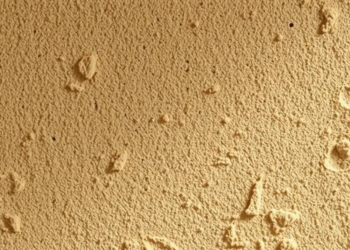
South African researchers show that adding three percent potassium sulphate to hempcrete nearly doubles its compressive strength and reduces shrinkage ...
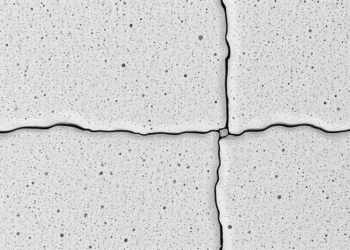
New research shows that naturally occurring halloysite nanotubes, dispersed with a common superplasticizer, dramatically improve cement mortar's resistance to sulfate ...
A 180-day immersion study shows nano-silica outperforms nano-calcium carbonate in shielding cement mortar from sulfate attack, with optimal dosages of ...