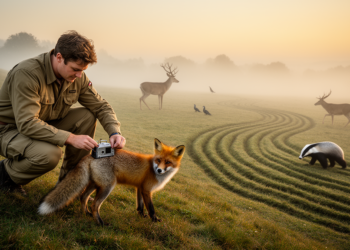
Tracking Data Reveal How Each Animal Carves Its Own Ecological Niche
A new workflow in R quantifies realized and potential individualized niches from GPS tracking data using mixed-effects resource selection functions, ...
A new workflow in R quantifies realized and potential individualized niches from GPS tracking data using mixed-effects resource selection functions, ...
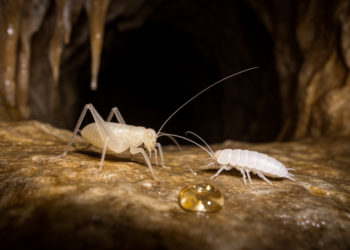
Deep inside caves, where sunlight never reaches and eyes have all but vanished across millions of years of evolution, the ...
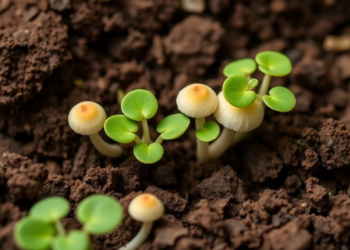
A new analysis in Plant and Soil shows that herbaceous plants that respond strongly to mycorrhizal fungi enjoy more favorable ...

A genomic study of the invasive plant Cardamine hirsuta in eastern Japan reveals four genetic clusters with distinct climatic associations, ...

Researchers argue that well-designed user interfaces, not raw technology, will decide whether serverless peer-to-peer databases can free ecological citizen science ...

University of Michigan researchers show that large language models like Claude and ChatGPT can mine millions of comments on citizen-science ...
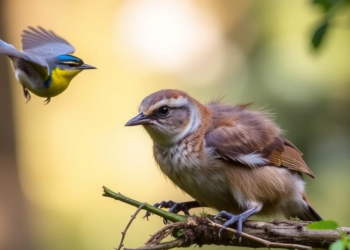
A sweeping analysis of nearly 1.4 million papers confirms that vertebrates dominate ecology and evolution research and attract more attention ...
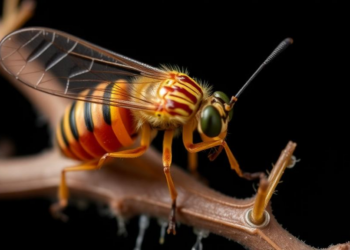
A large survey of nearly 1,400 invertebrates in China found Blastocystis DNA most often in insects, with subtypes ST1, ST2, ...

A new review in Nature Reviews Biodiversity documents how vertebrates from sloths to chimpanzees rely on insects for food, shelter, ...
A new laboratory study shows that rising temperatures and protein-poor diets drive fall armyworm larvae to cannibalize each other more ...