Review Details 4,000 Compounds in Camellia sinensis
A 2025 review in Clinical Phytoscience details the 4,000 bioactive compounds in Camellia sinensis and their pharmacological effects.
A 2025 review in Clinical Phytoscience details the 4,000 bioactive compounds in Camellia sinensis and their pharmacological effects.
Researchers identified an insertion-deletion marker on chromosome 10 that predicts anthracnose resistance in tea plants with 88.59 percent accuracy.
Scientists have identified a regulatory pathway in tea plants wherein a microRNA variant compromises fungal disease resistance by cleaving a ...

Researchers found that epigallocatechin gallate and sulforaphane extracts preserved viability and modulated inflammatory gene expression in neuroblastoma cells exposed to ...

Researchers analyzed fresh tea leaves across four major Chinese tea regions using omics techniques and machine learning to identify key ...
Researchers have identified distinct metabolic pathways and candidate gene families governing how tea plants absorb, transport, and transform selenite and ...
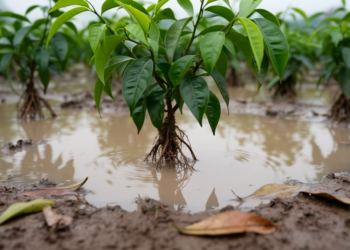
A new review synthesizes how hypoxia signaling and metabolic reprogramming shape tea's response to waterlogging, revealing a trade-off between flood ...
A new study reports that low doses of corn steep liquor helped tea plants withstand drought by preserving membrane lipids ...

A survey of leaf fungi across three Chinese provinces has revealed two new Sirococcus species, a new host record on ...
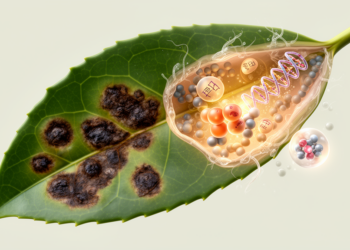
A controlled multi-omics study found faster enzyme responses, selective flavonoid changes and pathogen-interaction gene regulation in anthracnose-resistant tea cultivar ‘Shuixian ...
Chinese researchers have combined RNA sequencing, biochemical profiling, and SNP marker analysis to give elite tea breeding lines a verifiable ...
A comparative metabolomics study of 20 Chinese tea cultivars shows that fresh leaves carry cultivar-specific, odor-active volatile fingerprints long before ...
A new review argues that microbes in soil, leaves, factories, and the human gut, rather than the tea plant alone, ...
A new metabolomics study shows that matching summer tea leaf tenderness with the right processing method can transform bitter, astringent ...
A new review reveals how carbohydrate allocation and source–sink dynamics govern tea plant growth, stress resilience and flavor quality under ...
Researchers have identified a WRKY transcription factor, CsWRKY22, that activates the flavonol synthase gene CsFLSd and thereby controls quercetin accumulation ...