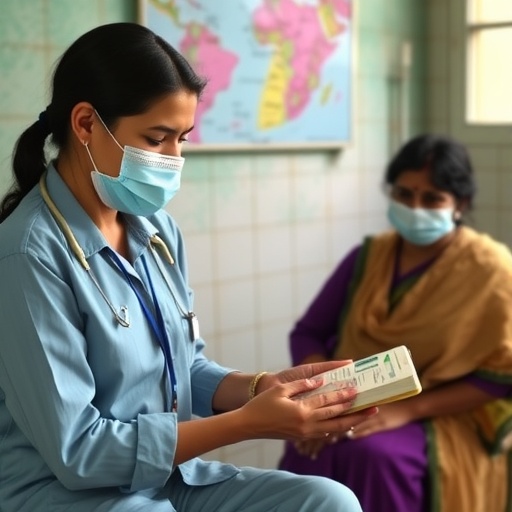
In recent years, the global health community has increasingly recognized the growing burden of non-communicable diseases (NCDs), particularly in low- and middle-income countries. Bangladesh, with its unique healthcare landscape, is no exception. The recent study by Hore et al. sheds light on the formidable challenges faced in managing NCDs at primary healthcare facilities in rural Bangladesh. Through a cross-sectional mixed-methods approach, the researchers delve into critical issues surrounding patient non-retention and the systemic readiness of healthcare services, offering profound insights that could inform future health policies.
The study identifies non-communicable diseases as a significant public health challenge, not only in urban areas but increasingly in rural settings where health resources are often limited. In Bangladesh, diseases such as diabetes, hypertension, and cardiovascular ailments account for a large proportion of mortality and morbidity. However, the infrastructure to adequately address these conditions in rural areas remains gravely underdeveloped. The potential nexus between patient retention and systemic readiness is a key theme that emerges throughout the research.
Patient non-retention refers to the phenomenon where individuals diagnosed with NCDs fail to remain engaged with healthcare services for follow-up care. This issue is particularly pronounced in rural regions, where accessibility and perception of healthcare quality can heavily influence individuals’ willingness to seek ongoing treatment. The reasons for non-retention, as highlighted in the study, are multifaceted. Barriers include logistical challenges such as distance to healthcare facilities, costs associated with travel and treatment, and a general lack of awareness regarding the importance of continuous care.
The researchers employed a mixed-methods design, gathering quantitative data through surveys and qualitative insights from interviews and focus groups. This comprehensive approach allowed them to capture the nuanced experiences of patients and healthcare providers alike. The key findings indicate that many patients drop out of the care continuum shortly after their initial diagnosis, which jeopardizes their health outcomes. Surprisingly, even among those who return for care, the adherence to treatment protocols remains alarmingly low.
Moreover, the study emphasizes the concept of system readiness, which encompasses the preparedness of healthcare providers and the infrastructure in place to manage NCDs effectively. In rural Bangladesh, many primary healthcare facilities lack the necessary resources, trained personnel, and protocols to deliver effective chronic disease management. Equipment may be outdated, and there is often insufficient staff training on the management of NCDs. These limitations inherently challenge the ability of healthcare systems to retain patients and provide comprehensive care.
The interviews conducted as part of the study also revealed patients’ perspectives on their healthcare experiences. Many expressed a feeling of being overwhelmed by the array of health concerns, leading them to question the value of seeking ongoing medical attention. Stigma surrounding NCDs, particularly conditions like diabetes and hypertension, adds another layer of complexity, deterring patients from returning for subsequent consultations. The combination of psychological, social, and economic factors results in a perfect storm that culminates in poor patient retention.
In addressing these pressing challenges, the study suggests a multidimensional approach that involves community engagement, enhanced healthcare provider training, and infrastructural improvements. By fostering a patient-centered approach that emphasizes education and support, healthcare providers can encourage individuals to take ownership of their health. Moreover, the integration of community health workers into the management of NCDs could bridge the gap between the healthcare system and patients, thereby enhancing retention and adherence.
The role of technology in improving healthcare services is also an avenue worth exploring. Telemedicine, mobile health applications, and digital health platforms can serve as tools to facilitate communication between patients and healthcare providers, minimizing barriers related to distance and accessibility. By establishing remote follow-up care options, patients can receive continuous support without the associated burdens of traveling to healthcare facilities.
Nonetheless, one of the crucial findings of Hore et al. is that solutions must be tailored to the specific contexts of rural Bangladesh. This includes an understanding of local cultural beliefs, economic realities, and social dynamics. Engaging with community leaders and healthcare stakeholders is vital to ensure that interventions are culturally sensitive and effectively address the unique barriers faced by patients.
In conclusion, the research conducted by Hore et al. illuminates the ongoing struggle to manage non-communicable diseases in rural Bangladesh, underscoring the critical need for systemic reform. As the country grapples with rising rates of NCDs, a renewed focus on patient retention and healthcare system readiness emerges as a pathway to improving health outcomes. Comprehensive strategies that incorporate community insights and leverage technology can pave the way for a more resilient healthcare framework capable of addressing the multifaceted challenges of NCD management.
The findings serve as a clarion call for researchers, policymakers, and healthcare professionals alike to prioritize innovations that not only enhance patient engagement but also reinforce the structures within healthcare systems. With continued attention and sustained efforts, the health of populations at risk of NCDs in rural settings can be safeguarded, contributing to a healthier future for all.
Subject of Research: Non-communicable disease management at primary healthcare facilities in rural Bangladesh.
Article Title: Challenges in non-communicable disease management at primary healthcare facilities in rural Bangladesh: a cross-sectional mixed-methods study of patient non-retention and system readiness.
Article References: Hore, T.K., Alim, A., Shimul, M.M.H. et al. Challenges in non-communicable disease management at primary healthcare facilities in rural Bangladesh: a cross-sectional mixed-methods study of patient non-retention and system readiness. BMC Health Serv Res (2026). https://doi.org/10.1186/s12913-026-14013-3
Image Credits: AI Generated
DOI: 10.1186/s12913-026-14013-3
Keywords: Non-communicable diseases, patient retention, healthcare management, rural health, Bangladesh.
Tags: cardiovascular disease prevalence in Bangladeshdiabetes management in rural clinicshealthcare challenges in low-income countrieshealthcare resource limitations in Bangladeshhypertension treatment accessibilitymixed methods research in health studiesnon-communicable diseases in rural Bangladeshpatient retention in healthcareprimary healthcare infrastructure challengespublic health policy for NCDsrural healthcare quality perceptionsystemic readiness in healthcare services