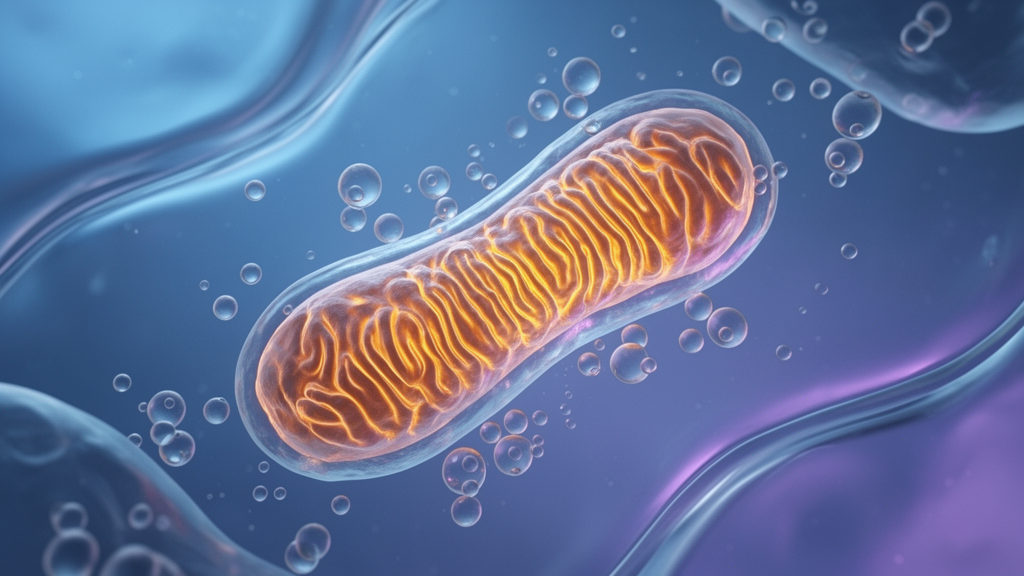
In a controlled experimental investigation evaluating systemic inflammatory responses, researchers have demonstrated that cellular oxygen utilization can decouple from tissue oxygen availability during the early stages of lipopolysaccharide-induced endotoxemia. Conducting serial physiological measurements in a swine model, an investigative team led by Calvin Jay de Wijs, Jan van den Brink, Patricia A. C. Specht, Mariëlle van der Kaaij, Harold N. J. Raat, Bülent Ergin, Robert Jan Stolker, Egbert G. Mik, and Floor A. Harms examined real-time mitochondrial oxygen handling across multiple organ beds. The authors observed that mitochondrial oxygen consumption fell or exhibited a distinctly blunted progression in the epidermis and liver despite the maintenance of relatively stable local mitochondrial oxygen tension. These findings indicate that preserving microvascular oxygen delivery and macrohemodynamic pressure targets does not necessarily ensure that cellular respiratory machinery will effectively utilize available oxygen during acute systemic inflammation.
Sepsis and septic shock represent life-threatening clinical syndromes triggered by dysregulated host responses to infection, resulting in profound physiological, biochemical, and pathological disruptions across organ systems. Standard critical care interventions prioritize early hemodynamic stabilization, relying heavily on intravenous fluid administration and vasoactive infusions to restore global perfusion targets such as mean arterial pressure and cardiac output. However, conventional macrocirculatory resuscitation frequently fails to reverse microvascular derangements or cytopathic injury occurring deep within parenchymal tissues. Excessive fluid administration has also been linked to hypervolemic organ impairment rather than improved clinical endpoints, while aggressive vasopressor titration to supranormal pressure targets offers no definitive therapeutic advantage. Consequently, investigators have increasingly focused on the cellular interface, where mitochondrial dysfunction and microcirculatory perfusion mismatches can drive multi-organ failure independent of systemic hemodynamic restoration.
To explore these pathophysiological interactions under rigorous experimental conditions, the research team selected a porcine model of endotoxemia induced by intravenous infusion of Escherichia coli lipopolysaccharide. Swine share substantial physiological, anatomical, and cardiovascular similarities with humans, enabling the placement of clinical-grade vascular catheters and real-time monitoring devices that cannot be accommodated in standard rodent models. The experiment incorporated thirty specific pathogen-free female Yorkshire and Norwegian Landrace swine, aged three to four months and weighing between 26 and 34 kilograms. Following an overnight fast, animals were sedated, intubated, and maintained under continuous general anesthesia comprising ketamine, midazolam, sufentanil, and rocuronium bromide. Normothermic body temperature, mechanical normocapnia, and arterial oxygen tension were carefully controlled through continuous physiological monitoring and pressure-controlled mechanical ventilation.
The experimental architecture systematically compared early physiological responses under differentiated resuscitation thresholds. Animals were assigned in a fixed, alternating sequence to three distinct cohorts of ten animals each: a healthy control group maintained at a mean arterial pressure above 80 mmHg throughout the experiment, and two endotoxemic groups exposed to escalating intravenous lipopolysaccharide infusions. In the first endotoxemic cohort, termed LPS-1, resuscitation with crystalloids and noradrenaline was initiated whenever mean arterial pressure dropped below 80 mmHg. In the second cohort, designated LPS-2, hemodynamic support was withheld until mean arterial pressure descended below 65 mmHg. This targeted stratification permitted an evaluation of graded cumulative hypotension exposure during early shock, allowing the investigators to contrast permissive hypotension against earlier, more aggressive hemodynamic support using identical resuscitation principles.
Evaluating tissue-level oxygenation required the application of delayed fluorescence optical techniques to monitor mitochondrial oxygen tension and consumption in living tissue. Animals received systemic and topical 5-aminolevulinic acid, which serves as a biological precursor that enhances intracellular concentrations of protoporphyrin-IX within the mitochondrial heme synthesis pathway. Photoexcitation of protoporphyrin-IX produces a delayed fluorescence emission whose lifetime varies inversely with local oxygen concentration via triplet-state quenching, a relationship quantified mathematically by the Stern-Volmer equation. Average mitochondrial oxygen tension was derived using a rectangular distribution method to accommodate spatial oxygen heterogeneity across measuring volumes. Mitochondrial oxygen consumption was assessed using the oxygen disappearance rate principle, wherein gentle, transient mechanical compression from the optical probe briefly arrests local microvascular blood flow, yielding a linear decline in mitochondrial oxygen tension that directly reflects the cellular rate of respiration.
Surgical preparation facilitated direct optical access to the skin between the scapulae, the renal cortex, the liver, and the intestinal serosa, alongside cystostomy catheterization and cannulation of the right ureter for split renal functional measurements. Following baseline physiological recordings conducted three hours after precursor administration, endotoxemia was induced in the LPS cohorts by continuous intravenous infusion of lipopolysaccharide starting at 1.75 micrograms per kilogram per hour and escalating by 0.25 micrograms per kilogram per hour every 45 minutes up to a maximum rate of 2.25 micrograms per kilogram per hour. Comprehensive physiological, biochemical, and optical assessments were subsequently collected at standardized intervals of 60, 120, and 180 minutes post-induction, followed by tissue harvesting and terminal euthanasia via potassium chloride administration.
LPS administration provoked immediate systemic stress across both intervention cohorts, characterized by significant increases in heart rate and marked declines in mean arterial pressure relative to non-endotoxemic controls. Although instantaneous blood pressure measurements displayed overlap between the intervention groups due to the responsive titration of fluids and noradrenaline, cumulative hypotension exposure differed clearly. Time-weighted average mean arterial pressure below 80 mmHg was significantly elevated at 120 and 180 minutes in both LPS groups, while the burden of severe hypotension under 60 mmHg was heightened predominantly in the LPS-2 cohort at 120 minutes. Endotoxemic animals developed systemic metabolic distress evidenced by elevated arterial blood lactate concentrations, which rose earlier and remained sustained throughout the entire observation period in the more hypotensive LPS-2 cohort.
The core optical measurements exposed striking divergences between mitochondrial oxygen presence and active consumption across distinct anatomical sites. Epidermal mitochondrial oxygen tension remained stable across all cohorts throughout the three-hour observation period, showing no significant group-by-time interactions. However, epidermal mitochondrial oxygen consumption dropped significantly in the LPS-1 cohort at 120 and 180 minutes compared with healthy controls. In hepatic tissue, mitochondrial oxygen consumption progressively increased over time in control animals, whereas this dynamic metabolic rise was severely blunted in both endotoxemic groups, yielding significantly lower hepatic consumption rates at 180 minutes in LPS-1 and at both 120 and 180 minutes in LPS-2. Notably, liver mitochondrial oxygen tension remained broadly preserved in LPS-1, exhibiting only a transient dip at 120 minutes in LPS-2. Renal cortical mitochondrial oxygen tension displayed early increases at 60 and 120 minutes across both endotoxemic groups before returning to control levels, while intestinal serosal oxygen tension demonstrated a transient drop at 120 minutes.
To investigate whether upstream microvascular collapse was responsible for these metabolic alterations, the researchers visualized sublingual microcirculation using an incident dark-field handheld microscope. Computerized video analysis demonstrated that total vessel density remained largely resilient, displaying only an isolated decrease in LPS-2 at 120 minutes. Functional capillary density, proportion of perfused vessels, red blood cell velocity, and tissue red blood cell perfusion exhibited modest declines in endotoxemic animals, with tissue perfusion dropping by a maximum of approximately 19 percent in LPS-2. Mathematical models of oxygen transport demonstrate that microvascular perfusion must decline by approximately 50 percent before steep reductions in mitochondrial oxygen tension are triggered. Because microcirculatory impairments in this porcine model were quantitatively modest, convective blood delivery remained sufficient to sustain baseline mitochondrial oxygen availability, proving that reduced oxygen consumption in tissues was not simply caused by downstream vascular shutoff.
Parallel ex vivo assessments performed on isolated circulating cells revealed contrasting metabolic behavior. High-resolution respirometry of peripheral blood mononuclear cells demonstrated increased routine, leak, and maximal respiration during early endotoxemia in the LPS-1 cohort, reflecting an early hyperdynamic immune activation rather than generalized intrinsic organelle collapse. Meanwhile, downstream organ monitoring revealed progressive vulnerability linked to cumulative hypotension. Swine in the permissive hypotension cohort exhibited decreased right kidney creatinine clearance at 120 minutes and higher urinary neutrophil gelatinase-associated lipocalin concentrations by 180 minutes. Hepatic indocyanine green plasma disappearance rates deteriorated across both endotoxemic groups, correlating inversely with elevated arterial lactate and reflecting early parenchymal excretory dysfunction. Minimal expression of hypoxia-inducible factor 1-alpha was observed across organs, corroborating that widespread tissue hypoxia was absent.
The authors contextualized their findings by identifying key translational boundaries within their experimental setup. The study was constrained to a three-hour window following endotoxin exposure, focusing exclusively on early hyperdynamic responses and precluding analysis of delayed hypodynamic shock or late endotoxin tolerance that typically develops over 6 to 12 hours. Furthermore, sterile lipopolysaccharide infusion models an acute toxic insult rather than the prolonged, evolving infection generated by viable replicating pathogens in heterogeneous clinical populations. Pre-experimental fasting also created baseline fluid deficits that required early resuscitation across all animals. Nonetheless, by demonstrating that mitochondrial oxygen utilization declines in vivo despite preserved local oxygen tension and relatively stable microvascular architecture, the investigation confirms that normal oxygenation measurements can obscure active intracellular metabolic impairment during early sepsis.
Subject of Research: In vivo mitochondrial oxygen consumption and tension dynamics during early endotoxemia in swine
Article Title: In vivo mitochondrial oxygen consumption during LPS-induced endotoxemia: a controlled experimental study in swine
Article References: de Wijs, C. J., van den Brink, J., Specht, P. A. C., van der Kaaij, M., Raat, H. N. J., Ergin, B., Stolker, R. J., Mik, E. G., & Harms, F. A. (2026). In vivo mitochondrial oxygen consumption during LPS-induced endotoxemia: a controlled experimental study in swine. Intensive Care Medicine Experimental, 14(1), Article 97. https://doi.org/10.1186/s40635-026-00951-z
Image Credits: AI Generated
DOI: 10.1186/s40635-026-00951-z
Keywords: endotoxemia, sepsis, mitochondrial oxygen consumption, mitochondrial oxygen tension, swine model, hemodynamic support, mean arterial pressure, microcirculation, protoporphyrin-IX, lactate, noradrenaline, respiratory flux, indocyanine green clearance, acute kidney injury, neutrophil gelatinase-associated lipocalin, permissive hypotension
News Source: Ophelia Keating. (November 19, 2026). Swine Study Shows Mitochondrial Oxygen Consumption Falls Despite Maintained Oxygen Levels. Scienmag.