• HOME
  • NEWS
  • EXPLORE
    • CAREER
      • Companies
      • Jobs
    • EVENTS
    • iGEM
      • News
      • Team
    • PHOTOS
    • VIDEO
    • WIKI
  • BLOG
  • COMMUNITY
    • FACEBOOK
    • INSTAGRAM
    • TWITTER
Tuesday, September 29, 2026
BIOENGINEER.ORG
No Result
View All Result
  • Login
  • HOME
  • NEWS
  • EXPLORE
    • CAREER
      • Companies
      • Jobs
        • Lecturer
        • PhD Studentship
        • Postdoc
        • Research Assistant
    • EVENTS
    • iGEM
      • News
      • Team
    • PHOTOS
    • VIDEO
    • WIKI
  • BLOG
  • COMMUNITY
    • FACEBOOK
    • INSTAGRAM
    • TWITTER
  • HOME
  • NEWS
  • EXPLORE
    • CAREER
      • Companies
      • Jobs
        • Lecturer
        • PhD Studentship
        • Postdoc
        • Research Assistant
    • EVENTS
    • iGEM
      • News
      • Team
    • PHOTOS
    • VIDEO
    • WIKI
  • BLOG
  • COMMUNITY
    • FACEBOOK
    • INSTAGRAM
    • TWITTER
No Result
View All Result
Bioengineer.org
No Result
View All Result
Home NEWS Science News

Supercharging the computers that will save the world

Bioengineer by Bioengineer
May 3, 2017
in Science News
Reading Time: 2 mins read
0
Share on FacebookShare on TwitterShare on LinkedinShare on RedditShare on Telegram
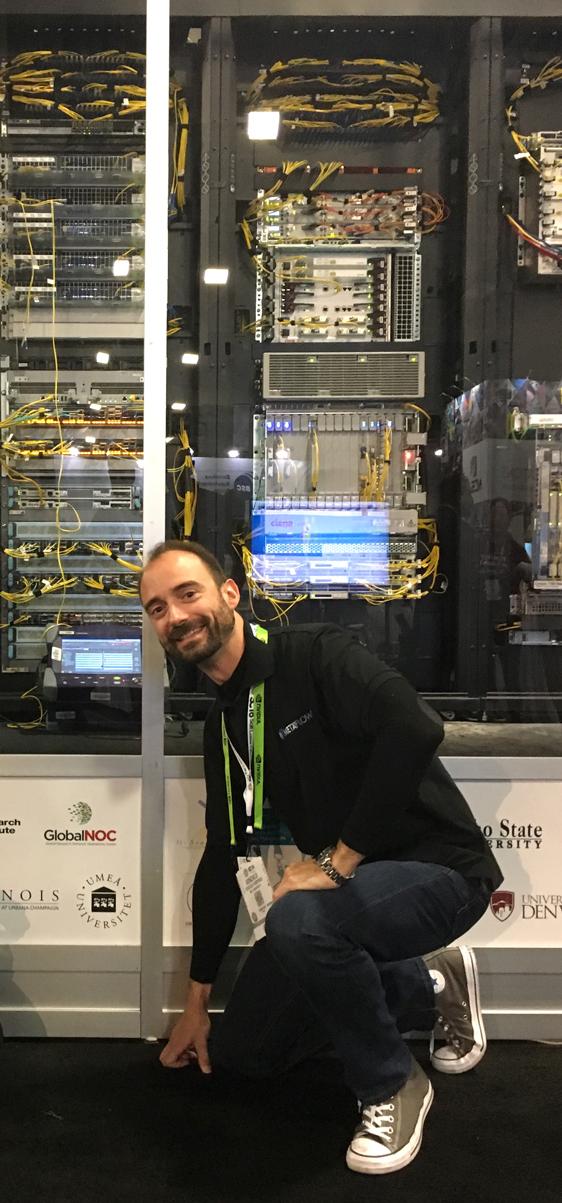
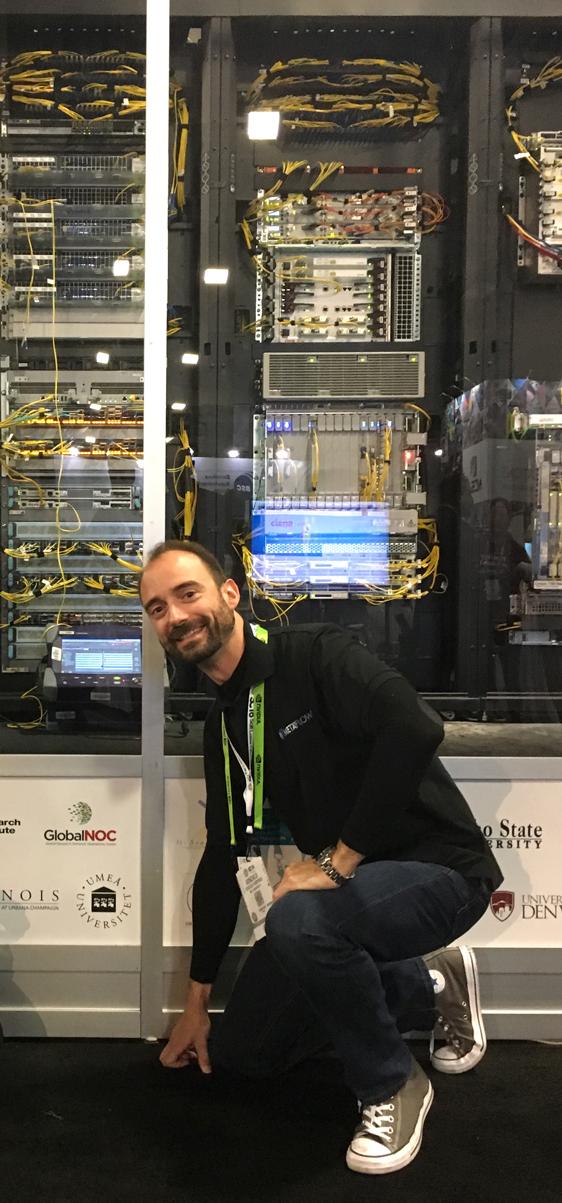
IMAGE

Credit: Gonzalo Rodrigo

Computer scientist Gonzalo Rodrigo at Umeå University in Sweden has developed new techniques and tools to manage high performance computing systems more efficiently. This in an effort to comply with the increasing demand to handle large amounts of data within research and allowing for advance simulations.

In a world paralysed by fear of global warming, energy shortage, and resource depletion, an unexpected hero arises: High Performance Computing (HPC). An HPC system aggregates the power of tens of thousands of processors interconnected by low latency optical networks to run large-scale scientific applications. They support research in fields when it is practically impossible to advance only through experimentation and observation. For instance, research on weather models, ground water movements, or new energy sources rely on simulations and data analysis performed on increasingly larger HPC systems.

However, traditional HPC schedulers can no longer efficiently manage the new complex scientific applications of even more sophisticated newer systems. In his doctoral dissertation at Umeå University, Gonzalo Rodrigo has developed new techniques and tools to manage HPC systems more efficiently, increasing their capacity to support advanced scientific research.

In his doctoral dissertation, Gonzalo Rodrigo at the Department of Computing Science at Umeå University, presents methods and tools to efficiently schedule application and workflows in High Performance Computing Systems and increase the speed of the scientific work they can produce.

"In detail, I have provided a better understanding of trends of current workloads and I have developed a general application-oriented scheduling model in HPC systems, a scheduling simulation framework to support future research on scheduling algorithms, and a scheduling technique for efficient execution of complex scientific workflows," says Gonzalo Rodrigo. The outcome of this work also includes two open-source projects that will enable future research on HPC scheduling.

Work leading to Gonzalo Rodrigo's dissertation has been conducted in collaboration with researchers from the Data Science and Technology Department and the National Energy Research Scientific Computation Center at the Lawrence Berkeley National Lab in the US.

Gonzalo P. Rodrigo Álvarez comes from Spain. He holds a Master's in Computer Engineering from Universidad de Zaragoza and a Master's in Business Administration from ESIC, both in Spain. In December 2012, he commenced his doctoral studies at Umeå University in Sweden under the tuition of Professor Erik Elmroth and later also Dr Lavanya Ramakrishnan at the Lawrence Berkeley National Lab. During his doctoral studies, Gonzalo Rodrigo held a visiting research fellowship at the Lawrence Berkley National Lab for a year and a half and a four-month internship at Google Inc.

###

Media Contact

Ingrid Söderbergh
[email protected]
46-706-040-334
@UmeaUniversity

http://www.umu.se/umu/index_eng.html

############

Story Source: Materials provided by Scienmag

Share12Tweet8Share2ShareShareShare2

Related Posts

Trunk Control May Hold a Key to Balance and Fall Risk in Older Adults

September 27, 2026

AI Tells Doctors When It Is Unsure About Cancer Treatment Success

September 27, 2026

Engineered mini CRISPR enzyme gets a 60-fold power boost for gene editing

September 27, 2026

When Autism Diagnoses Fade: Early Intervention and Milder Symptoms Mark Children Who Lose the Label

September 27, 2026
Please login to join discussion

POPULAR NEWS

  • Trunk Control May Hold a Key to Balance and Fall Risk in Older Adults

    29 shares
    Share 12 Tweet 7
  • AI Tells Doctors When It Is Unsure About Cancer Treatment Success

    29 shares
    Share 12 Tweet 7
  • Engineered mini CRISPR enzyme gets a 60-fold power boost for gene editing

    29 shares
    Share 12 Tweet 7
  • When Autism Diagnoses Fade: Early Intervention and Milder Symptoms Mark Children Who Lose the Label

    29 shares
    Share 12 Tweet 7

About

We bring you the latest biotechnology news from best research centers and universities around the world. Check our website.

Follow us

Recent News

Trunk Control May Hold a Key to Balance and Fall Risk in Older Adults

AI Tells Doctors When It Is Unsure About Cancer Treatment Success

Engineered mini CRISPR enzyme gets a 60-fold power boost for gene editing

Subscribe to Blog via Email

Enter your email address to subscribe to this blog and receive notifications of new posts by email.

Join 85 other subscribers
  • Contact Us

Bioengineer.org © Copyright 2023 All Rights Reserved.

Welcome Back!

Login to your account below

Forgotten Password?

Retrieve your password

Please enter your username or email address to reset your password.

Log In
No Result
View All Result
  • Homepages
    • Home Page 1
    • Home Page 2
  • News
  • National
  • Business
  • Health
  • Lifestyle
  • Science

Bioengineer.org © Copyright 2023 All Rights Reserved.