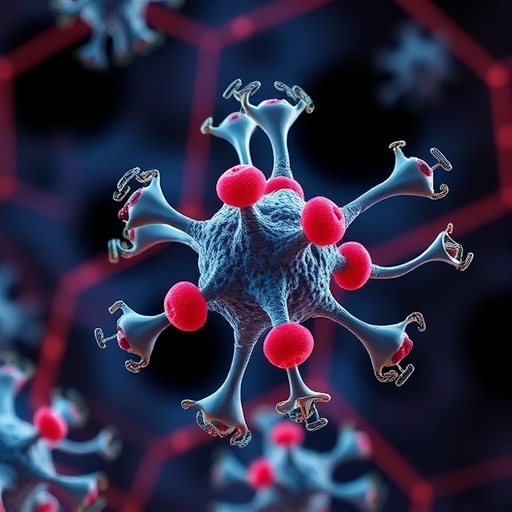
In the intricate world of cellular biology, the spatial and temporal positioning of proteins within cells emerges as a fundamental determinant of their functionality. Modern research uncovers the profound implications of protein localization, revealing that where a protein resides inside the cell can dictate the precise biological roles it performs. This insight not only reshapes our comprehension of intracellular dynamics but also underscores the remarkable adaptability of proteins in executing diverse cellular processes.
Proteins are not static entities confined to a single cellular niche; rather, they often traverse multiple compartments within the cell, engaging in complex interactions that regulate essential processes such as signal transduction, metabolism, the cell cycle, and programmed cell death. This multifaceted localization enables proteins with identical amino acid sequences to manifest distinct functions, a phenomenon famously recognized as molecular “moonlighting.” The multiplicity of localization-driven functions challenges prior assumptions that protein function is solely derived from primary sequence or structural conformation.
The mechanisms orchestrating protein localization are remarkably diverse and tightly regulated. Central to these processes are intracellular RNA transport pathways that dictate the sites of translation, thereby influencing protein placement post-synthesis. Alongside this, proteoforms—varied protein variants resulting from alternative splicing, post-translational modifications, or differential start sites of translation—play critical roles in determining subcellular targeting. Moreover, protein interactions with other macromolecules, including lipids, nucleic acids, and protein complexes, further refine their address within the cell, often serving as guides or anchors that localize proteins to functional hubs.
Understanding protein localization transcends academic interest, as it is imperative for orchestrating specialized cellular and tissue functions. For example, during cell differentiation—the process by which a less specialized cell becomes a more specialized cell type—differential protein localization patterns impose functional identities. Cellular polarization, where distinct structural and functional domains arise within a cell, also depends heavily on precise protein positioning. In processes such as the epithelial–mesenchymal transition (EMT), where epithelial cells acquire mesenchymal properties, the dynamic relocalization of proteins underpins major phenotypic shifts crucial for development and disease.
Pathological states vividly illustrate the consequences of aberrant protein localization. Cancer, a multifactorial disease characterized by unchecked cell proliferation, frequently involves disruptions in protein trafficking and compartmentalization. Mislocalized proteins can escape normal regulatory environments, contributing to tumor growth and metastasis. Similarly, neurodegenerative disorders, including Alzheimer’s and Parkinson’s diseases, are linked to the improper compartmentalization of key proteins, leading to aggregation and cellular toxicity. Autoimmune diseases also implicate protein mislocalization in dysregulating immune recognition and response, highlighting the broad clinical ramifications of spatial proteome dynamics.
Recent advancements in subcellular proteomics and spatial biology are revolutionizing how researchers study protein localization. Innovative techniques such as proximity labeling, super-resolution microscopy, and mass spectrometry coupled with organelle fractionation now permit unprecedented resolution in mapping protein distribution. These approaches generate high-dimensional datasets that reflect the complexity and fluidity of protein localization, shedding light on transient and condition-specific spatial arrangements previously undetectable. This technological frontier empowers scientists to interrogate the dynamic interplay between protein position and function at both cellular and organismal levels.
Despite these methodological breakthroughs, significant conceptual challenges persist. The dynamic nature of protein localization demands not only static snapshots but also the capacity for real-time, context-aware observation. Intracellular environments are heterogeneous and constantly remodeling, influenced by developmental cues, stress responses, and pathological states, complicating efforts to establish definitive localization-function relationships. Moreover, discerning causality remains a hurdle—whether localization dictates function or vice versa is often intertwined in feedback mechanisms that defy simplistic interpretations.
The burgeoning field of spatial biology is also grappling with data integration across scales. Connecting molecular-level localization patterns with cellular behaviors and tissue physiology requires sophisticated computational frameworks and interdisciplinary collaboration. Incorporating spatial proteomics data into functional genomics, transcriptomics, and metabolomics further enriches our understanding but also introduces complexity that must be managed carefully to avoid overfitting or misinterpretation.
Addressing these challenges holds transformative potential for both fundamental biology and clinical translational research. Unraveling the principles that govern protein localization will deepen insights into cellular organization and plasticity, informing models of development, aging, and disease progression. Clinically, therapies that restore or manipulate protein distribution may offer new avenues for intervention. For instance, targeting pathways that correct mislocalization in cancer cells or neurodegenerative disorders could complement existing treatments and mitigate deleterious effects.
The concept of molecular moonlighting spotlights protein localization as a versatile mechanism for functional diversification without genetic alteration. This flexibility allows cells to economize on genetic resources while expanding their functional repertoire, a concept that prompts reevaluation of protein-centric dogmas. Recognizing proteins as dynamic entities embedded in spatial frameworks invites a paradigm shift, positioning subcellular localization as central to protein life cycles, regulatory networks, and cellular identity.
Furthermore, the interplay between RNA transport and localized translation adds another layer to the spatial regulation of protein function. mRNA localization ensures that protein synthesis occurs in proximity to functional sites, enabling rapid and localized responses to environmental cues. Disruption in these finely tuned processes can lead to pathological states, illustrating the importance of RNA-protein spatial coupling in maintaining cellular homeostasis.
Proteoform diversity, driven by post-translational modifications such as phosphorylation, ubiquitination, and acetylation, modulates protein localization by altering interaction affinities or conformational states. These modifications act as molecular zip codes or switches, directing proteins to specific compartments or signaling hubs. The reversible nature of many modifications also enables dynamic re-localization, which is crucial during cellular stress or signaling events.
The influence of protein-protein and protein-lipid interactions cannot be overstated. Scaffold proteins and lipid microdomains often serve as platforms for assembling functional complexes, thus localizing enzymatic activities or signaling cascades in discrete cellular locales. Dissecting these interactions reveals how cells spatially organize biochemistry, optimizing efficiency and specificity.
This comprehensive view emphasizes that protein localization is a central node in the network connecting genotype to phenotype, environment to response, and health to disease. Its study demands integrative approaches marrying molecular biology, biochemistry, biophysics, computational modeling, and clinical research. As spatial proteomics matures, it promises to redefine our grasp of cellular function and open new frontiers in precision medicine.
In sum, proteins are far more than molecular tools floating freely within cells. Their spatiotemporal distribution choreographs an elaborate dance that drives life itself. Future discoveries in this realm will illuminate the subtleties of intracellular organization, inspire novel therapeutic strategies, and unravel the complex logic encoded in protein localization and function.
Subject of Research: Protein subcellular localization and its impact on protein function.
Article Title: Subcellular localization as a driver of protein function
Article References:
Sigaeva, A., Hutchings, C., Cesnik, A. et al. Subcellular localization as a driver of protein function. Nat Rev Mol Cell Biol (2026). https://doi.org/10.1038/s41580-026-00947-3
Image Credits: AI Generated
Tags: diverse protein functions in metabolismintracellular protein interaction networksintracellular protein traffickingintracellular RNA transport pathwaysmolecular moonlighting proteinsprotein compartmentalization effectsprotein function dynamicsprotein localization in signal transductionprotein spatial regulationproteoforms and cellular functionregulation of protein placementsubcellular protein localization