Credit: University of Colorado Cancer Center
An accurate prognosis for a patient with incurable cancer can help a family make important end-of-life decisions. However, previous research shows that many (or even most) patients with advanced cancer misunderstand their prognosis. A study published in the Journal of Oncology Practice explored doctor-patient conversations at four major academic medical centers to show that patients and their doctors naturally avoid difficult discussions about a challenging prognosis. The paper also pinpoints an opportunity to create a space for this discussion to take place. After communicating test results, an oncologist who asks, "Would you like to talk about what this means?" prompts patients to consider how much they want to know and gives them permission to explore a serious discussion about life and death.
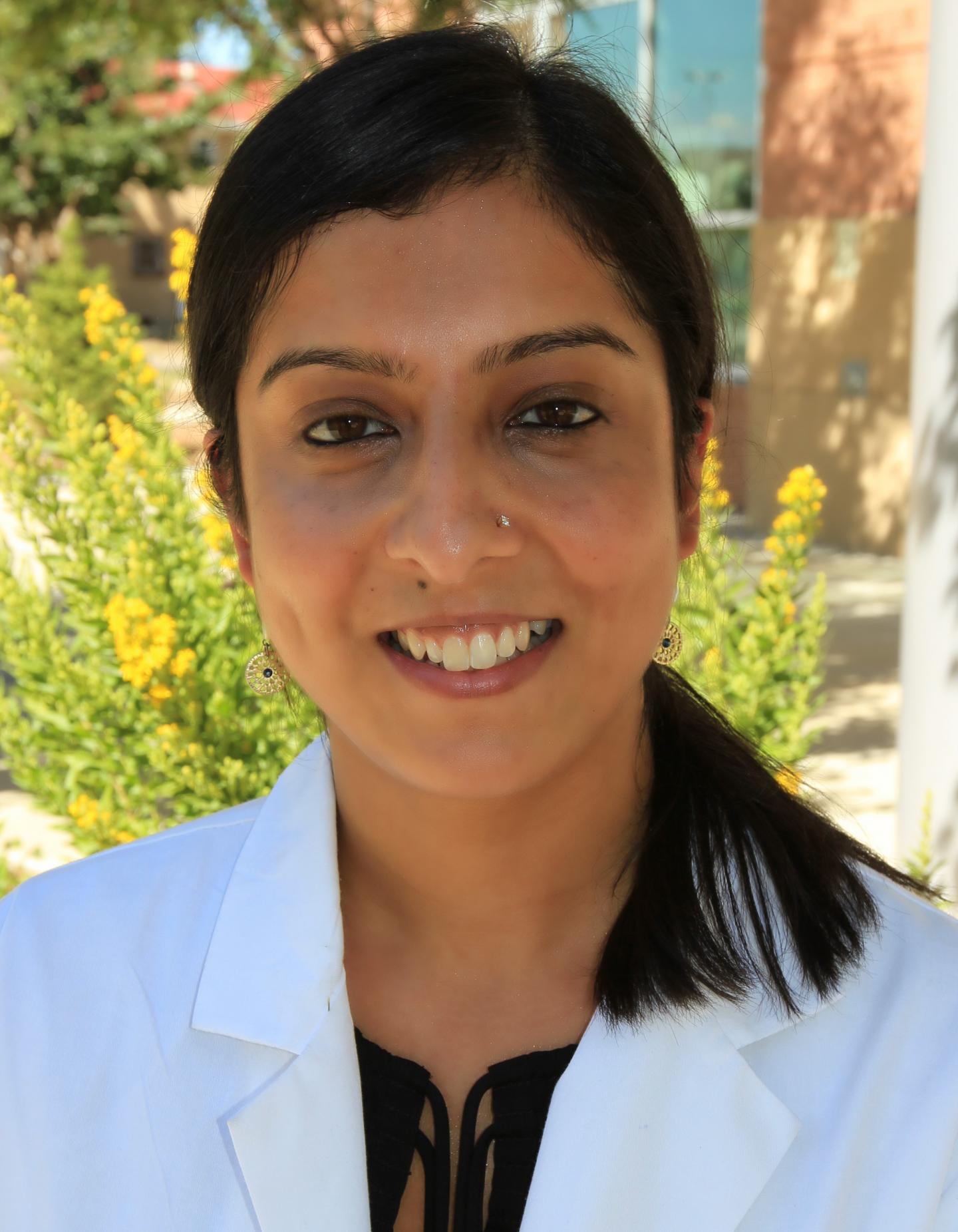
"It was surprising — at all four of these medical centers, the conversations that oncologists had with their patients tended to follow the same pattern. They would discuss symptoms, then the oncologist would reveal scan results often followed by an immediate transition to talking about the next steps for treatment. What's often missing is a discussion of what the scan results mean," says Sarguni Singh, MD, oncology hospitalist at the University of Colorado Cancer Center. Singh performed her study during residency at the University of Wisconsin with mentor Toby C. Campbell, MD.
The study analyzed 64 conversations recorded as part of a large, multi-site cancer clinical trial. In these conversations, when the oncologist communicated bad news, an average of 50 percent of the conversation was occupied by talk about treatment options. Only 10 percent of all conversations were about scan results. And in these 64 conversations, there were only four instances in which oncologists directly discussed prognosis with their patients.
"The oncologist doesn't want to give a negative view and the patient doesn't want to hear it. They collude to avoid this elephant in the room," Singh says, pointing out that in no way is this collusion intentional. Rather, avoiding the topic of patient's poor prognosis is a cultural norm that, unless consciously countered, can steer doctor-patient communication away from end-of-life topics.
Singh points out that often family members or caregivers are present with a patient and that while it has been shown that patients may misinterpret even frank discussions of prognosis, "the caregivers are processing it too, and maybe in a more intellectual way than the patient," Singh says.
Appreciating a difficult prognosis could allow patients to avoid treatments destined to result in little gain, high cost, and significant side effects.
"Most importantly, these prognosis conversations aren't happening. If it does, it happens very quickly. And patients aren't processing the news," Singh says.
By pausing to ask if a patient wants to talk about what the test results mean, an oncologist can create the opportunity for a patient and his or her family to give their permission to look beyond the "can-do" next steps of treatment to a more holistic understanding of their situation. Dr. Singh and her colleagues think this simple question could open up a dialogue between patients and their oncologists that currently does not exist.
###
Media Contact
Garth Sundem
[email protected]
@CUAnschutz
http://www.ucdenver.edu
############
Story Source: Materials provided by Scienmag