


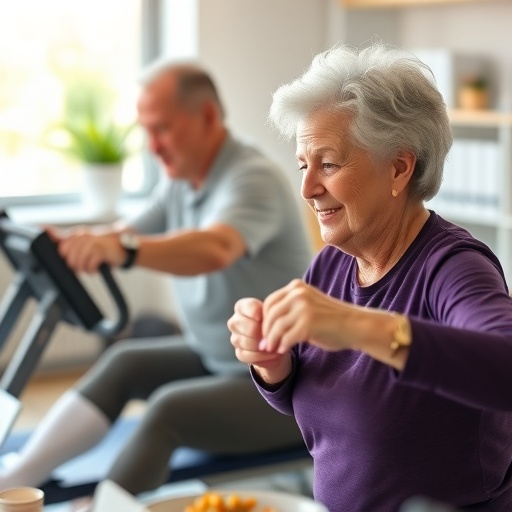
In recent years, public health researchers have increasingly focused on the interrelated roles of physical activity and nutrition among older adults, especially those managing chronic conditions such as hypertension. A groundbreaking study by Gholampour, Ajri-Khameslou, and Mardi sheds light on the intricate dynamics of dietary habits and physical activity patterns specifically among older women living with hypertension. This innovative research examines these critical lifestyle components through a cross-sectional study, providing valuable insights into the unique challenges faced by this demographic.
Hypertension, or high blood pressure, is a significant risk factor for various cardiovascular diseases, making effective management essential for older adults. With the prevalence of hypertension on the rise, especially among women in their later years, understanding how lifestyle factors influence health outcomes is more critical than ever. The study in question identifies pivotal trends in the eating and activity behaviors of older women, offering a clear depiction of their health-related choices and outcomes.
One of the most intriguing aspects of this study is its focus on older women, a population that has often been underrepresented in health research. Women tend to live longer than men, frequently leading to unique health challenges as they age. Therefore, examining how factors like diet and physical activity intersect within this population can pave the way for more targeted interventions that enhance their quality of life. The researchers uncovered significant links between dietary choices and physical activity levels, demonstrating a holistic approach to managing hypertension in older women.
The methodology employed in this cross-sectional study proves pivotal. By surveying a diverse group of older women, researchers not only captured a broad array of dietary habits—ranging from fruit and vegetable intake to processed food consumption—but also assessed their physical activity levels, categorizing them into sedentary, moderately active, and highly active groups. This dual-focus approach allowed for a comprehensive analysis of how these lifestyle components work in tandem to impact hypertension management.
The findings from the study are nothing short of revealing. Women who reported higher levels of physical activity consistently exhibited healthier dietary patterns, often showing a preference for whole foods and nutrient-dense options. This correlation emphasizes the importance of encouraging physical activity as a means to influence better dietary choices among older women. It raises a compelling question: does increased physical activity inspire more mindful eating habits, or is it the other way around? The research suggests that a synergistic effect may be at play.
Moreover, the study highlights the barriers that prevent older women from engaging in both regular exercise and healthy eating. Among the challenges faced are physical limitations, lack of access to nutritious food options, and social isolation, which can hinder motivation and opportunities for physical activity. Addressing these barriers is crucial for enhancing the efficacy of health interventions aimed at this vulnerable group.
Equally important is the role of healthcare providers in this equation. The researchers advocate for a multi-disciplinary approach where physicians, nutritionists, and physical trainers collaborate to create personalized plans that accommodate the unique needs and circumstances of older women with hypertension. This integrated healthcare model not only aims to foster adherence to prescribed treatments but also encourages lifestyle changes that empower these women to take control of their health.
Following the research findings, the implications for public health policy are significant. The need for community programs aimed at increasing access to both physical activity resources, such as exercise classes tailored for older adults, and nutrition education is paramount. Initiatives that promote social interaction through group exercise or cooking classes can reduce feelings of isolation and increase both physical and social engagement.
Furthermore, the environmental context plays a crucial role in shaping the dietary and physical activity patterns of these women. Access to parks, community centers, and grocery stores that offer healthy food options can substantially influence their ability to adhere to healthier lifestyle practices. Policymakers must consider these environmental factors when developing strategies to combat hypertension in older populations.
In summary, the study by Gholampour, Ajri-Khameslou, and Mardi provides a comprehensive overview of the interplay between physical activity and dietary patterns in older women living with hypertension. It underscores the necessity for targeted interventions that address both eating habits and activity levels while simultaneously tackling the barriers these women face. As the research continues to unfold, it is vital for healthcare professionals and policymakers to integrate these insights into practical strategies that promote better health outcomes for older women with hypertension.
The urgency of addressing these issues cannot be overstated, as a growing number of older adults worldwide face similar challenges. By harnessing the findings of this study, we can take significant strides towards creating healthier environments and empowering older women to lead fulfilling, active lives despite their health conditions. Ultimately, the study serves as a beacon of hope, guiding future research and intervention efforts towards improving the quality of life for older women grappling with hypertension.
Understanding the importance of this research could very well pave the path for a healthier future for older women everywhere. With comprehensive efforts to promote physical activity and improve dietary habits, the cycle of hypertension can be interrupted, leading to a vibrant and empowered population of older women. The findings resonate not only within the scientific community but also among the broader public, illustrating the critical need for community-focused health initiatives aimed at improving the quality of life for those living with chronic health conditions.
Subject of Research: The interrelation between physical activity and dietary patterns in older women with hypertension.
Article Title: Physical activity and dietary patterns of older women with hypertension: a cross-sectional study.
Article References:
Gholampour, A., Ajri-Khameslou, M., Mardi, A. et al. Physical activity and dietary patterns of older women with hypertension: a cross-sectional study. BMC Geriatr (2025). https://doi.org/10.1186/s12877-025-06839-z
Image Credits: AI Generated
DOI: 10.1186/s12877-025-06839-z
Keywords: Hypertension, older women, physical activity, dietary patterns, public health, lifestyle interventions.
Tags: cardiovascular health in older adultschronic disease management in elderly populationsdietary habits of hypertensive womenexercise impact hypertension in older womenhealth outcomes related to diet and exerciselifestyle changes for managing high blood pressurelifestyle factors influencing senior women’s healthnutrition and physical activity in senior womenphysical activity patterns among seniorspublic health research on aging populationsunderstanding hypertension in older adultswomen’s health and hypertension



