Endometriosis is an established systemic disease characterised by persistent visceral pain, highlighting the biological and clinical relevance of interoceptive processes for individuals living with this painful condition.
Interoception plays a central role in both pain perception and pain processing and has previously been associated with individual differences in psychological wellbeing. Within the framework of the study, interoceptive self-report refers specifically to a person’s subjective evaluation of their own tendency to sense and interpret internal sensations. The authors established their research with the primary purpose of studying interoceptive self-report profiles in endometriosis patients, focusing explicitly on assessing how these profiles relate to psychological and pain-related outcome factors.
To investigate these patterns, the authors recruited a cohort of 122 patients with endometriosis who completed a comprehensive set of self-report questionnaires. In addition to completing the MAIA, all 122 patients completed other questionnaires, including health-related quality of life of women with endometriosis (EHP-30), symptoms of anxiety/depression (HADS), pain catastrophising (PCS), childhood adversities, and resilience (RS14). Using the collected subscale scores from the MAIA questionnaire, the researchers performed a hierarchical cluster analysis to identify distinct groupings of patients.
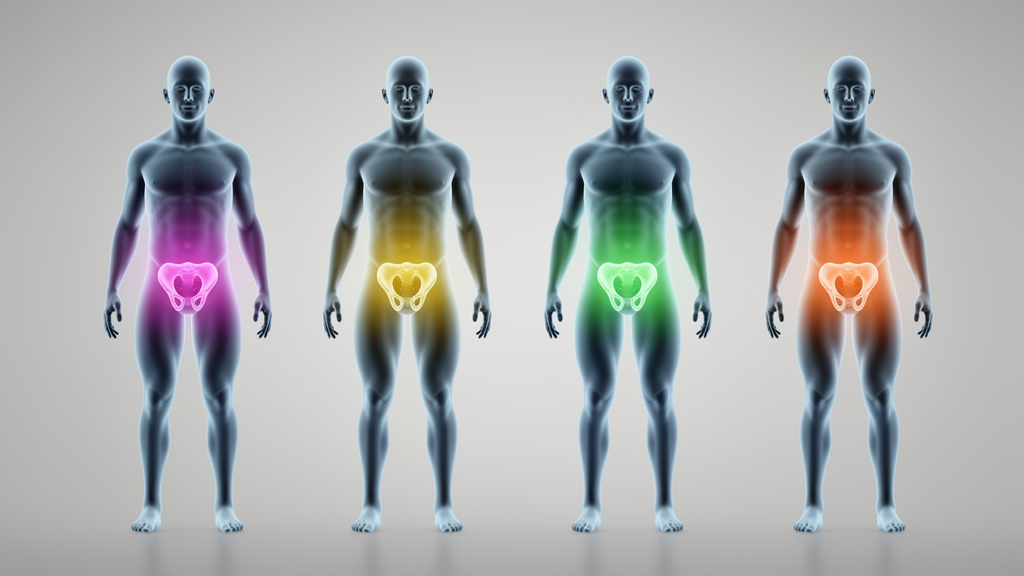
The hierarchical cluster analysis identified four distinct interoceptive self-report profiles, which the authors named based on the specific appearance and distribution of their interoceptive dimensions. These profiles were designated as Attentive, comprising 16 patients; Hypo-responsive, comprising 26 patients; Balanced, comprising 50 patients; and Hypervigilant–distrustful, comprising 30 patients. Among these groups, patients classified into the Balanced group demonstrated stable patterns across the different interoceptive self-report dimensions evaluated by the MAIA. Furthermore, patients in the Balanced group reported better psychological wellbeing than patients in the other groups.
In contrast, patients in the Hypervigilant–distrustful group were characterised by pronounced worry about uncomfortable bodily sensations and low trust in their bodily sensations. Reflecting this negative sensory relationship, patients in the Hypervigilant–distrustful group reported poorer psychological wellbeing than patients in the other three groups.
In their conclusions, the investigators emphasized that these findings shed light on the importance of taking interoceptive tendencies into account when tailoring more individualised interventions for patients with endometriosis. The clinical trial associated with this research was formally registered on clinicaltrials.gov under identifier NCT03834922, with the initial registration completed on February 7, 2019. Overall, the study provides evidence that interoceptive self-report dimensions reflect meaningful variations in psychological wellbeing among individuals experiencing persistent visceral pain.
Subject of Research: Interoceptive self-report profiles and psychological wellbeing in endometriosis
Article Title: Interoceptive self-report profiles in patients with endometriosis
Article References: Pasternack, S., Suvilehto, J., Härkki, P., Heikinheimo, O., Kalso, E., & Sipilä, R. (2026). Interoceptive self-report profiles in patients with endometriosis. BMC Women's Health. https://doi.org/10.1186/s12905-026-05085-8
Image Credits: AI Generated
DOI: 10.1186/s12905-026-05085-8
Keywords: endometriosis, interoception, visceral pain, psychological wellbeing, MAIA questionnaire, cluster analysis, pain perception, clinical study, Interoceptive, self-report, profiles, patients
News Source: Ophelia Keating. (November 8, 2026). Study Identifies Four Distinct Interoceptive Profiles in Endometriosis Patients. Scienmag.