Credit: WCS-India
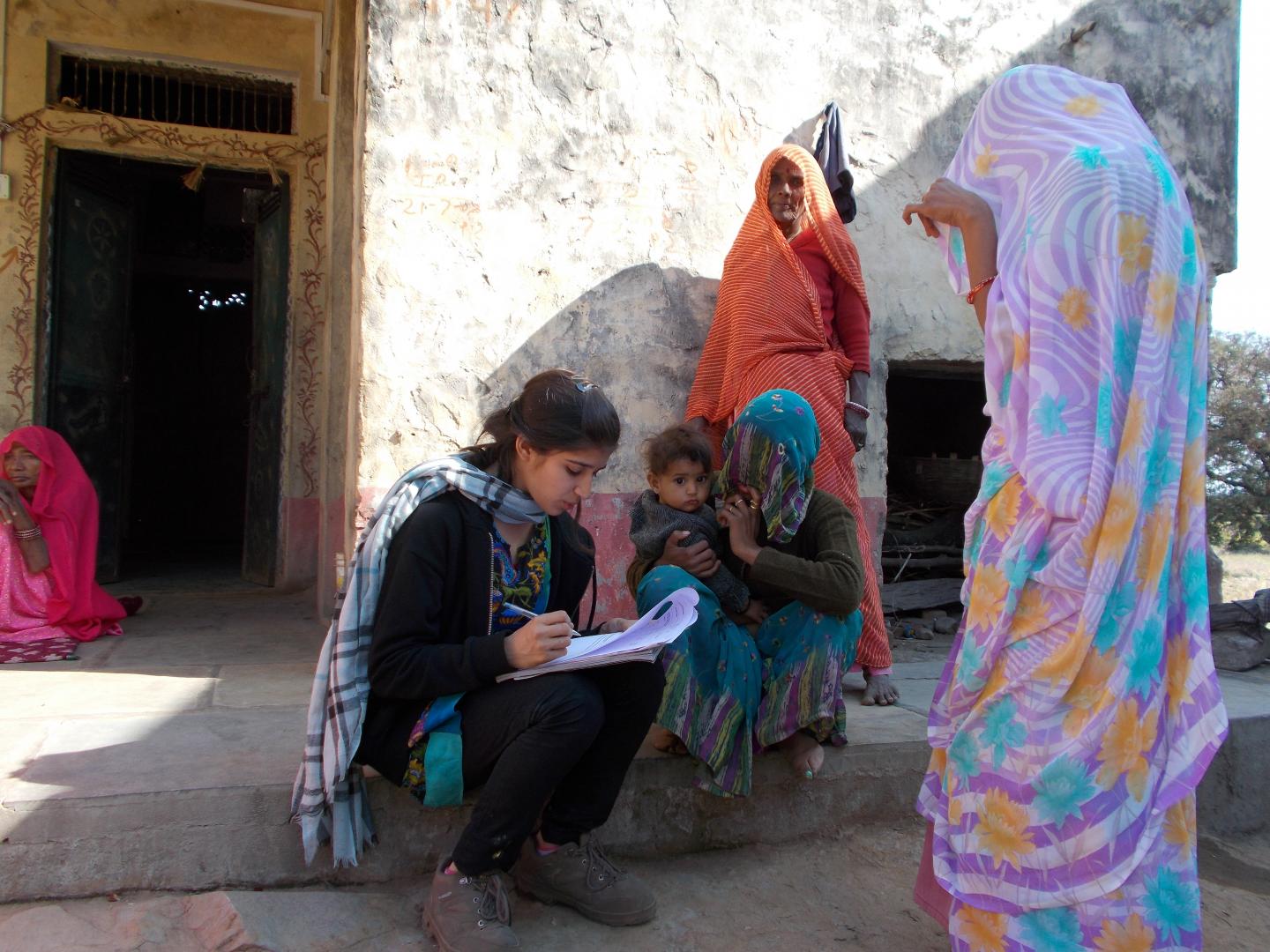
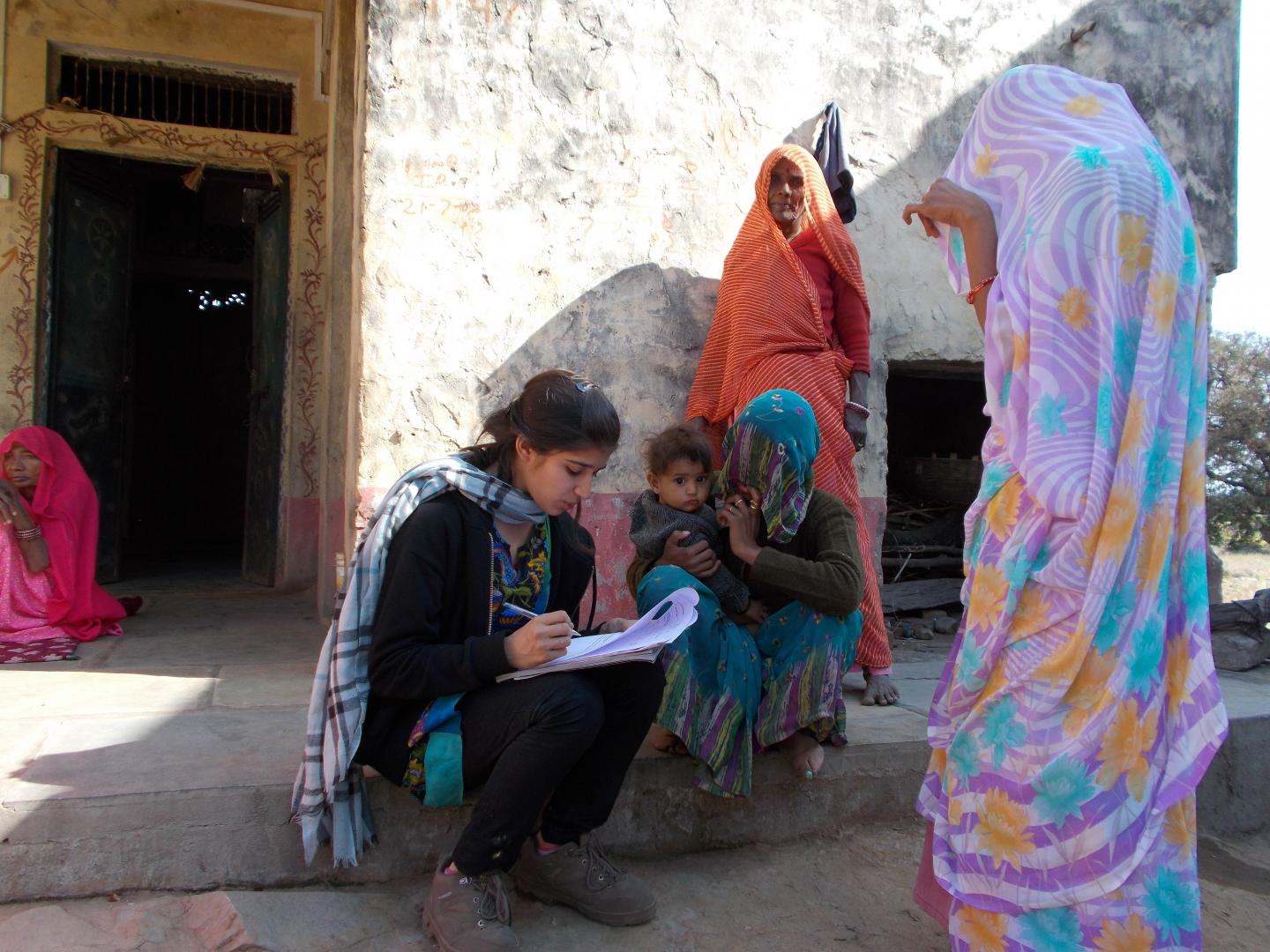
A new study from WCS (Wildlife Conservation Society), Duke University, and the Centre for Wildlife Studies in India finds that communities living near wildlife reserves in Rajasthan, India, show a high tolerance for wildlife. This is despite them having experienced losses in crops and livestock as a result of interaction with wildlife like nilgai, jackal and wild pig, as well as larger carnivores such as leopard and wolves. Understanding these attitudes towards wildlife is critical to informing park management policies and practices.
To provide insight on the relationship between people and wildlife in the region, 2,233 households within a 10 kilometer radius of four non-tiger reserves in Rajasthan state (Jaisamand Wildlife Sanctuary, Kumbhalgarh & Todgarh Raoli Wildlife Sanctuary, Phulwari ki Nal Wildlife Sanctuary and Sitamata Wildlife Sanctuary) were surveyed. Among the interesting findings from the survey:
- 77.5 percent of surveyed households reported they had experienced negative human-wildlife interactions resulting in losses of crops, livestock and/or property in the preceding year. Despite this and the fact that protections restrict resource use, 85 percent of respondents believed that protecting wildlife reserves for animals was important.
- Female respondents were more likely to view wildlife negatively. This result, note the authors, is similar to other research studies that suggest women are more likely to bear the brunt of human-wildlife conflict.as they perform a lot of the physical labor such as fetching water and wood–making them more vulnerable.
- Respondents that were more educated were more likely to have positive attitudes toward wildlife. "Educated" was considered the completion of primary and secondary education at school or further education in university.
- Fifteen percent of surveyed households reported experiencing a livestock predation incident during the previous year. Predation was attributed to eight species–the most noteworthy being leopards, jackals and wolves.
- Households located farther away from the reserves were more likely to use mitigation measures to protect their crop.
The scientists say that understanding the agricultural and livestock husbandry practices that predispose communities to crop damage and livestock predation is critical to informing mitigation efforts. Without such understanding, and lacking a state-wide compensation scheme in Rajasthan, continued economic losses could drive people to engage in retaliatory killing, as has occurred at other sites.
Dr. Krithi Karanth, a co-author of the paper and Associate Conservation Scientist at WCS said, "Losses experienced by people living around protected reserves in Rajasthan mirror those of people in south and central India. However, compensation is non-existent for crop loss and difficult to obtain for other damage. This lack of compensation and mitigation support may erode historical tolerance for wildlife that people have had in this wildlife-rich state."
The study concludes that understanding people's attitudes toward wildlife and wildlife reserves, and estimating losses caused by wildlife, is a first step in developing locally relevant conservation interventions that sustain human livelihoods and promote tolerance toward wildlife in shared spaces.
Dr. Erika Weinthal, a co-author of the paper and professor of environmental policy at the Nicholas School of the Environment, Duke University said, "This study underscores the importance of understanding household attitudes toward wildlife as a necessary first step for designing appropriate policy interventions to both protect wildlife and support livelihoods."
###
'Human-wildlife interactions and attitudes toward wildlife and wildlife reserves in Rajasthan, India' appears currently online in Oryx. To access the online abstract for the paper via the DOI, please click here.
Authors include Dr. Krithi K. Karanth, Ms. Shivangi Jain and Dr. Erika Weinthal.
About the Wildlife Conservation Society. WCS saves wildlife and wild places worldwide through science, conservation action, education, and inspiring people to value nature. To achieve our mission, WCS, based at the Bronx Zoo, harnesses the power of its Global Conservation Program in nearly 60 nations and in all the world's oceans and its five wildlife parks in New York City, visited by 4 million people annually. WCS combines its expertise in the field, zoos, and aquarium to achieve its conservation mission. Visit: newsroom.wcs.org Follow: @WCSNewsroom. For more information: 347-840-1242.
Media Contact
Scott Smith
[email protected]
718-220-3698
@TheWCS
http://www.wcs.org
Related Journal Article
http://dx.doi.org/10.1017/S0030605317001028