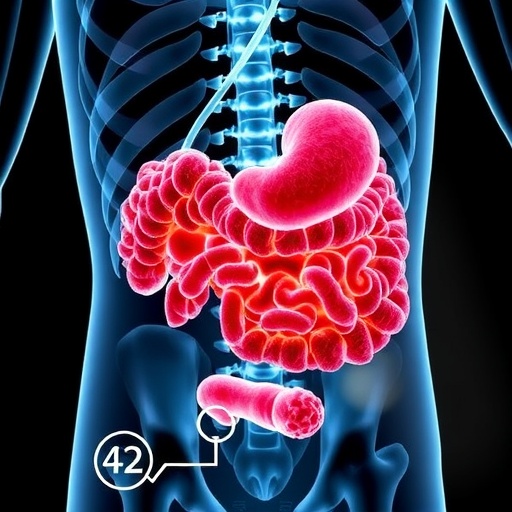
A new Cochrane review has challenged several long-standing preparation techniques used immediately before embryo transfer in in vitro fertilization, finding no reliable evidence that they improve pregnancy rates. The review examined procedures intended to make embryo transfer easier or more effective, including asking patients to arrive with a full bladder, removing cervical mucus, and using an “afterloading” approach to guide the embryo through the cervix. After analyzing 11 studies involving 2,524 women, researchers concluded that the available evidence remains uncertain and too weak to support one preparation method over standard care.
Embryo transfer is the final procedural stage of IVF, in which an embryo is placed inside the uterus through a thin catheter passed through the cervix. Although the technique is usually brief, it is considered a particularly sensitive part of treatment because the embryo must be delivered without causing unnecessary trauma, bleeding, uterine contractions, or difficulty navigating the reproductive tract. Only about one in three embryo transfers results in pregnancy, although outcomes vary substantially according to age, embryo quality, uterine conditions, fertility diagnosis, and laboratory procedures.
The review focused on techniques designed to alter the physical conditions encountered by the catheter before the embryo is released. One widely used method involves asking the patient to fill her bladder. A distended bladder can change the angle between the cervix and uterus, potentially creating a straighter route for the catheter. It may also improve the visibility of the uterus during ultrasound-guided transfer. However, the same pressure can be uncomfortable, and the review found no convincing evidence that bladder filling increases the likelihood of pregnancy or live birth.
Another preparation method involves removing cervical mucus before the catheter is inserted. Mucus can theoretically obstruct the catheter, interfere with embryo placement, or make it harder for clinicians to see the tip of the device during ultrasound. Removing it may therefore appear technically helpful. Yet if the cervix is manipulated too roughly, the procedure can cause minor bleeding. Blood or mechanical irritation could theoretically affect the uterine environment, although the studies included in the review did not provide dependable evidence that mucus removal either improves or worsens reproductive outcomes.
The third technique, known as afterloading, changes when and how the embryo is introduced into the transfer catheter. In some versions of the procedure, the catheter is positioned first and the embryo is loaded or advanced afterward, with the aim of reducing the time the embryo spends in the device or improving control over its final placement. These technical differences may sound minor, but embryo transfer involves extremely small distances and delicate handling. Even so, the review found no robust evidence that afterloading leads to higher pregnancy or live-birth rates than conventional transfer procedures.
The researchers rated the certainty of evidence as low or very low across the comparisons. Many of the trials were small, and several had important methodological limitations, including inadequate reporting, possible selection bias, and insufficient information about complications. Small studies can produce apparently positive or negative results simply by chance, while differences in clinician experience, catheter type, ultrasound use, embryo stage, and patient characteristics can make results difficult to compare. As a result, a finding that appears promising in one fertility clinic may not be reproducible elsewhere.
The review also highlights how strongly local custom continues to influence IVF practice. Some clinics routinely require patients to drink water before transfer, while others allow a comfortably filled or empty bladder. Some remove cervical mucus as a standard step; others avoid doing so unless there is an obvious obstruction. These differences are often based on clinician preference, training, or historical protocol rather than high-quality comparative evidence. According to the review authors, this represents a familiar pattern in medicine: procedures can persist because they seem biologically plausible and are inexpensive, even when their clinical value has not been established.
There was limited information about side effects, but the techniques were not associated with clear evidence of serious harm. Full-bladder preparation is generally considered safe, although it can cause discomfort and may be particularly difficult for patients undergoing lengthy procedures or repeated treatment cycles. Mucus removal is usually quick, but forceful contact with the cervix can lead to spotting or bleeding. The main concerns therefore appear to involve discomfort and procedural difficulty rather than major medical complications. Still, safety alone does not demonstrate effectiveness, and even low-risk interventions should be tested if they are routinely imposed on patients.
The review authors say that answering this question will require larger, better-designed randomized trials with standardized transfer protocols and clinically meaningful outcomes, including live birth rather than pregnancy alone. Such research is challenging because embryo transfers are highly dependent on the person performing the procedure, and patients and clinicians may be reluctant to risk valuable embryos in a trial. The studies reviewed were also conducted in high-income countries, limiting confidence that their findings apply to clinics with fewer resources. Because the techniques are simple and inexpensive, researchers argue that carefully standardized studies in resource-limited settings could be especially valuable. For now, the evidence suggests that preparation before embryo transfer remains an area where tradition has outpaced proof—and where seemingly small procedural choices may continue to attract attention until stronger trials provide a clear answer.
Subject of Research: People
Article Title: Techniques for preparation prior to embryo transfer
News Publication Date: 5-Aug-2026
Web References: https://doi.org/10.1002/14651858.CD007682.pub3
References: Cochrane Database of Systematic Reviews; DOI: 10.1002/14651858.CD007682.pub3
Keywords: in vitro fertilization, IVF, embryo transfer, pregnancy rates, embryo implantation, cervical mucus removal, full bladder preparation, afterloading, fertility treatment, reproductive medicine, Cochrane review, clinical trials, human reproduction
Tags: cervical mucus removal in IVFcervical preparation methodsCochrane review on IVFembryo transfer proceduresembryo transfer techniquesevidence-based IVF practicesguide techniques for embryo transferimpact of bladder fullness on embryo transferIn vitro fertilizationIVF pregnancy success ratesprocedural factors influencing embryo implantationuterine conditions affecting IVF outcomes