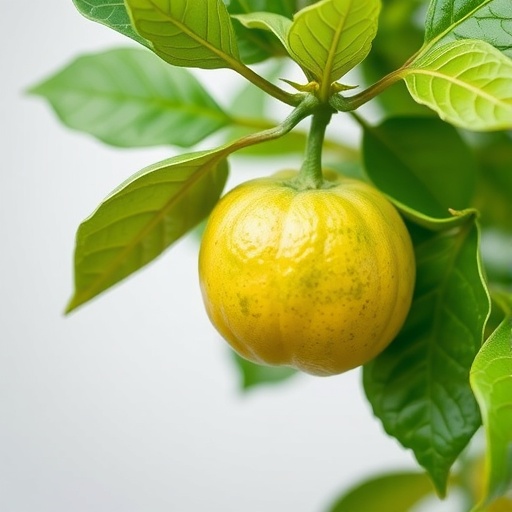
Citrus species have long captivated the interest of researchers and agriculturalists alike, due to their economic significance and genetic diversity. Recent advancements in genomic technologies have accentuated the need for detailed investigations into the evolutionary dynamics of these plants. A groundbreaking study conducted by dos Santos Menezes, Silva, Ollitrault, and associates unravels the complexities associated with Pattern Recognition Receptors (PRR) and Resistance (R) genes, highlighting their structural and functional divergences among wild, ancestral, and commercial citrus varieties. This research, published in BMC Genomics, showcases a comprehensive comparative analysis that aims to deepen our understanding of citrus genetics and its implications for breeding strategies.
The research begins with a compelling premise: the role of PRR and R genes within the plant immune system. These genetic components are instrumental in recognizing and responding to pathogens, shaping the plant’s overall fitness and resilience. With commercial citrus varieties often bred for yield and flavor, there is an underlying risk of sacrificing genetic diversity that may enhance disease resistance. By investigating the structural characteristics of these genes in a diverse range of citrus species, the study looks to establish whether commercial exploitation has inadvertently led to a more vulnerable genetic landscape.
In professionals’ pursuit of citrus improvement, gene conservation becomes critical. The researchers identified significant variations in PRR and R genes between wild and cultivated species. Domestic varieties often displayed compact gene structures, potentially limiting their ability to adapt to pathogenic threats. Conversely, wild species exhibited a broader range of gene variants, allowing for a more robust immunological arsenal. This divergence underscores the importance of preserving wild citrus populations, not only for ecological health but also in the context of agricultural sustainability.
Employing advanced genomic techniques, the researchers utilized genome sequencing, comparative genomics, and bioinformatics to assess gene architecture and functionality in selected citrus species. They provided an in-depth exploration of the molecular mechanisms governing immune responses in these plants. The methods employed allowed for the identification of conserved motifs and gene family expansions, offering greater insights into the evolutionary trajectories of these vital genes.
This comparative genomic analysis led to the discovery of numerous previously uncharacterized PRR genes in wild citrus varieties. Their presence suggests a rich reserve of genetic material that has been overlooked in commercial breeding programs, which typically focus on traits deemed more economically advantageous. The implications of these findings are wide-ranging; they pave the way for new strategies aimed at enhancing disease resistance that do not compromise flavor or productivity.
Moreover, the research team explored the environmental pressures that may have driven the diversification of these genes. Factors such as climate variability and pathogen emergence are natural selective forces that can lead to the refinement of resistant traits within populations. Understanding these dynamics is crucial for breeding programs aiming to produce citrus varieties that can withstand both current and future challenges posed by a changing climate and evolving pathogens.
The implications of this study extend beyond academic interest; they highlight actionable insights for citrus growers globally, particularly those in regions plagued by plant diseases. By employing markers related to these PRR and R genes in breeding practices, scientists and farmers can disrupt the cycle of susceptibility and boost resistance traits in commercial crops. This could significantly enhance the sustainability of citrus agriculture, potentially leading to greater food security in citrus-growing regions.
The results of the study compel us to reconsider our conservation approaches. Given the clear advantages of wild citrus varieties in terms of genetic diversity and disease resistance, there is an urgent need for strategies that integrate the conservation of these varieties alongside commercial breeding. Public awareness campaigns and policy adjustments could promote the importance of preserving genetic resources, ensuring that future generations can continue to rely on a diverse portfolio of citrus genetics to meet growing food demands.
As concerns about food security continue to mount in the face of climate change and global population growth, the agricultural community must actively seek innovative solutions to promote resilience in crop systems. This research serves as a clarion call to reevaluate strategies in citrus cultivation that not only focus on maximizing yield but also on harnessing genetic diversity. The call to action encourages collaboration among scientists, growers, and policymakers to create an integrated approach to citrus breeding and conservation.
In conclusion, the revelations presented in this study regarding the divergence of PRR and R genes across citrus species underscore the necessity for a paradigm shift in horticultural practices. The preservation of genetic diversity within wild citrus can potentially unlock new avenues for sustainable agriculture, emphasizing the invaluable role that biodiversity plays in fighting plant diseases. As we stand on the precipice of agricultural transformation, it is crucial that we take both innovation and conservation to heart, ensuring a bright future for citrus cultivation worldwide.
The findings emphasized by dos Santos Menezes and colleagues resonate with a broader audience concerned about biodiversity and agricultural sustainability. The implications of their work extend to numerous disciplines, not just plant biology but also ecology, agronomy, and conservation science. The comprehensive nature of this study inspires hope and presents a strong case for the collaboration necessary to tackle the challenges that lie ahead in the agricultural landscape.
The importance of their conclusions cannot be overstated. They not only add significant depth to our understanding of citrus genetics but also pave the way for future research aimed at bolstering the resilience of these essential crops. By embracing the complexity of genetic relationships and the intricacies of evolutionary history, we can form a more holistic view of plant traits, leading to the cultivation of citrus species that are not only productive but also adept at facing the challenges of tomorrow.
The research undertaken by dos Santos Menezes and his team stands as a testament to the power of modern genomic tools to illuminate the pathways of plant evolution and immunity. By bridging the gap between wild and cultivated species, they provide a beacon of hope for future agricultural challenges, emphasizing the importance of genetic diversity in ensuring the longevity and health of our citrus crops.
Strengthening the nexus between science and agriculture will be vital as we move forward. Continuous collaboration, investment in research, and commitment to conservation are imperative to not only safeguard our crops but to ensure that they thrive in a rapidly changing world. With studies like this paving the way, the dialogue around citrus breeding and biodiversity can evolve, fostering a future that is as fruitful as it is resilient.
Subject of Research: Comparative analysis of PRR receptors and R genes in citrus species
Article Title: Comparative analysis of PRR receptors and R genes reveals structural and functional divergence between wild, ancestral, and commercial citrus species.
Article References:
dos Santos Menezes, F., Silva, R.J.S., Ollitrault, P. et al. Comparative analysis of PRR receptors and R genes reveals structural and functional divergence between wild, ancestral, and commercial citrus species.
BMC Genomics (2026). https://doi.org/10.1186/s12864-025-12043-5
Image Credits: AI Generated
DOI: 10.1186/s12864-025-12043-5
Keywords: PRR genes, R genes, citrus species, genetic diversity, disease resistance, agricultural sustainability
Tags: Advances in citrus genomic technologiesCitrus genetic diversityCitrus immune system mechanismsComparative analysis of citrus varietiesDisease resistance in citrus plantsEvolutionary dynamics of citrus speciesGenetic vulnerabilities in commercial citrusImpact of breeding on citrus geneticsImplications for citrus breeding strategiesPattern Recognition Receptors in plantsResistance genes in citrusStructural differences in citrus genes