In a groundbreaking study that pushes the boundaries of our understanding of neuronal genome stability, researchers Ihara, Narumoto, Kande, and colleagues have unveiled a critical molecular axis involving Strawberry Notch 1 (Sbno1) and Yeats4 that safeguards neurons from genomic instability. This discovery sheds light on the intricate regulatory networks that maintain neuronal integrity and opens new avenues for therapeutic exploration in neurodegenerative diseases and brain aging where genomic destabilization is a hallmark.
Neurons, being post-mitotic and irreplaceable, depend heavily on the precision of their genomic maintenance mechanisms. Unlike proliferative cells, neurons cannot easily dilute or replace damaged DNA, making the stability of their genome paramount to their longevity and function. The study spearheaded by Ihara et al. centers on the transcriptional regulator Strawberry Notch 1, whose name originates from the phenotypic traits observed in Drosophila mutants but whose role in mammals has remained elusive until now.
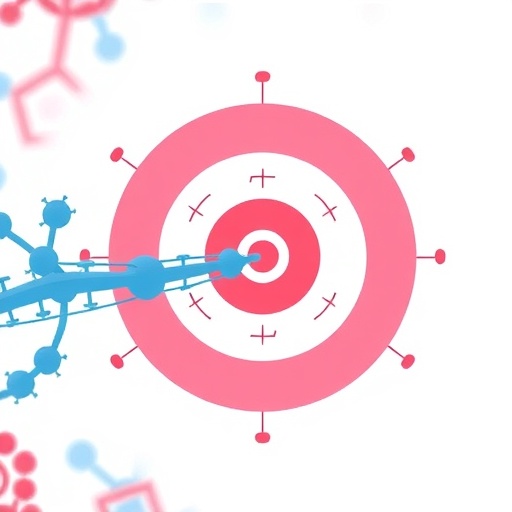
The team employed a combination of transcriptomic profiling, chromatin immunoprecipitation sequencing (ChIP-seq), and neuronal genome integrity assays to dissect the role of Sbno1 in neuronal cells. Their findings reveal that Sbno1 acts primarily as a transcriptional modulator that maintains the expression of Yeats4, a gene essential for chromatin remodeling and DNA repair mechanisms. Without Sbno1, Yeats4 expression decreases, which in turn compromises the chromatin landscape necessary for genome maintenance.
.adsslot_ODiwF4flck{width:728px !important;height:90px !important;}
@media(max-width:1199px){ .adsslot_ODiwF4flck{width:468px !important;height:60px !important;}
}
@media(max-width:767px){ .adsslot_ODiwF4flck{width:320px !important;height:50px !important;}
}
ADVERTISEMENT
Yeats4, known to encode a key component of the transcriptional co-activator complex that modulates chromatin accessibility, was found to be directly regulated by Sbno1. This direct regulatory interaction was supported by enriched binding of Sbno1 at the Yeats4 promoter regions and downstream enhancers in neuronal cells. The loss of Sbno1 led to a dramatic reduction in Yeats4 transcripts and ensuing destabilization of stalled replication forks and DNA double-strand break repair efficacy.
One particularly novel aspect of the study is the demonstration that Sbno1-Yeats4 axis is crucial not just during development but across the lifespan of neurons. Employing in vivo murine models with neuron-specific Sbno1 knockouts, researchers observed marked accumulation of DNA damage markers such as γH2AX foci, along with transcriptional signatures indicative of genomic stress. Functionally, these molecular perturbations translated into deficits in synaptic plasticity and neuronal survival, underscoring the protective role of this axis.
By establishing a link between a transcriptional regulator and chromatin modulatory machinery, this study advances the concept that maintenance of genome integrity in neurons is dynamically controlled at the level of gene expression. Intriguingly, the authors probed further into stress conditions such as oxidative insults and revealed that Sbno1 levels are responsive to environmental stressors, suggesting an adaptive regulatory mechanism is in place to buffer genomic insults.
Moreover, biochemical assays revealed that Sbno1 interacts with multiple co-factors known to participate in chromatin remodeling complexes, placing it at a nexus point for integrating extracellular stress signals and transcriptional responses. This positions Sbno1 as a crucial molecular sensor capable of orchestrating protective gene expression programs in neurons.
The broader implications of these findings are vast. Neurodegenerative disorders such as Alzheimer’s disease, Parkinson’s disease, and amyotrophic lateral sclerosis (ALS) feature prominent DNA damage accumulation in neuronal populations, yet the mechanistic underpinnings remained incompletely elucidated. The identification of the Sbno1-Yeats4 regulatory pathway offers a concrete molecular target that could be exploited to restore genome stability in diseased neurons or prevent accumulation of toxic lesions before pathology emerges.
The methodology deployed in this study was rigorous and multilayered. Beyond transcriptomic and ChIP-seq analyses, the authors utilized high-resolution imaging techniques including super-resolution microscopy to quantify DNA damage foci and chromatin organization alterations. This detailed examination was coupled with behavioral assays in animal models to connect molecular disruptions to organismal phenotypes, thereby emphasizing the physiological relevance of Sbno1’s genomic safeguarding role.
Furthermore, the research suggests that interventions aimed at modulating Sbno1 expression or enhancing Yeats4 function might mitigate neuronal genome instability and delay neurodegenerative progression. Though preliminary, these insights hint at future drug discovery campaigns that target transcriptional networks rather than traditional protein aggregates, marking a paradigm shift in therapeutic strategies.
The research also invites further exploration of Sbno1’s potential roles beyond neurons, considering that genome stability is a universal cellular necessity. However, the specificity of Sbno1’s interactions in neuronal chromatin architecture underscores the uniqueness of its function in brain tissue, opening up questions about cell-type-specific transcriptional regulation mechanisms.
Another fascinating aspect discussed by the authors is the evolutionary conservation of the Sbno1-Yeats4 pathway across species. Comparative genomics indicate that this regulatory circuit is preserved from invertebrates to mammals, highlighting its fundamental importance in nervous system biology. This evolutionary perspective not only strengthens the validity of the findings but also allows for the use of diverse model organisms to further dissect the pathway.
In sum, Ihara and colleagues have defined a pivotal transcriptional safeguard of neuronal genomic integrity through their characterization of Strawberry Notch 1’s regulation of Yeats4 expression. This mechanistic insight enriches our comprehension of how neurons defend their genome against constant endogenous and exogenous threats. As research progresses, targeting this regulatory axis may become a cornerstone for innovative therapeutic interventions in neurodegeneration and brain aging.
Ultimately, the study exemplifies the confluence of molecular neurobiology, genomics, and translational research aimed at unmasking vulnerabilities in the nervous system and leveraging them for clinical benefit. The elucidation of the Sbno1-Yeats4 axis opens the possibility not only for new biomarker discovery but also for the design of gene expression-targeted interventions that could transform the landscape of neuroprotective medicine.
Subject of Research: Regulation of neuronal genome stability via the transcription factor Strawberry Notch 1 and its control of Yeats4 expression.
Article Title: Strawberry notch 1 safeguards neuronal genome via regulation of Yeats4 expression.
Article References:
Ihara, D., Narumoto, A., Kande, Y. et al. Strawberry notch 1 safeguards neuronal genome via regulation of Yeats4 expression. Cell Death Discov. 11, 342 (2025). https://doi.org/10.1038/s41420-025-02640-4
Image Credits: AI Generated
DOI: https://doi.org/10.1038/s41420-025-02640-4
Tags: ChIP-seq applications in neurosciencechromatin remodeling in neuronsDNA repair mechanismsgenomic instability in neuronsNeurodegenerative disease researchneuronal genome stabilityneuronal integrity maintenanceStrawberry Notch 1therapeutic exploration in brain agingtranscriptional regulators in neurosciencetranscriptomic profiling techniquesYeats4 gene regulation