• HOME
  • NEWS
  • EXPLORE
    • CAREER
      • Companies
      • Jobs
    • EVENTS
    • iGEM
      • News
      • Team
    • PHOTOS
    • VIDEO
    • WIKI
  • BLOG
  • COMMUNITY
    • FACEBOOK
    • INSTAGRAM
    • TWITTER
Wednesday, April 1, 2026
BIOENGINEER.ORG
No Result
View All Result
  • Login
  • HOME
  • NEWS
  • EXPLORE
    • CAREER
      • Companies
      • Jobs
        • Lecturer
        • PhD Studentship
        • Postdoc
        • Research Assistant
    • EVENTS
    • iGEM
      • News
      • Team
    • PHOTOS
    • VIDEO
    • WIKI
  • BLOG
  • COMMUNITY
    • FACEBOOK
    • INSTAGRAM
    • TWITTER
  • HOME
  • NEWS
  • EXPLORE
    • CAREER
      • Companies
      • Jobs
        • Lecturer
        • PhD Studentship
        • Postdoc
        • Research Assistant
    • EVENTS
    • iGEM
      • News
      • Team
    • PHOTOS
    • VIDEO
    • WIKI
  • BLOG
  • COMMUNITY
    • FACEBOOK
    • INSTAGRAM
    • TWITTER
No Result
View All Result
Bioengineer.org
No Result
View All Result
Home NEWS Science News Biology

Storing mine waste — safety is no accident UN finds

Bioengineer by Bioengineer
February 9, 2018
in Biology
Reading Time: 2 mins read
0
Share on FacebookShare on TwitterShare on LinkedinShare on RedditShare on Telegram
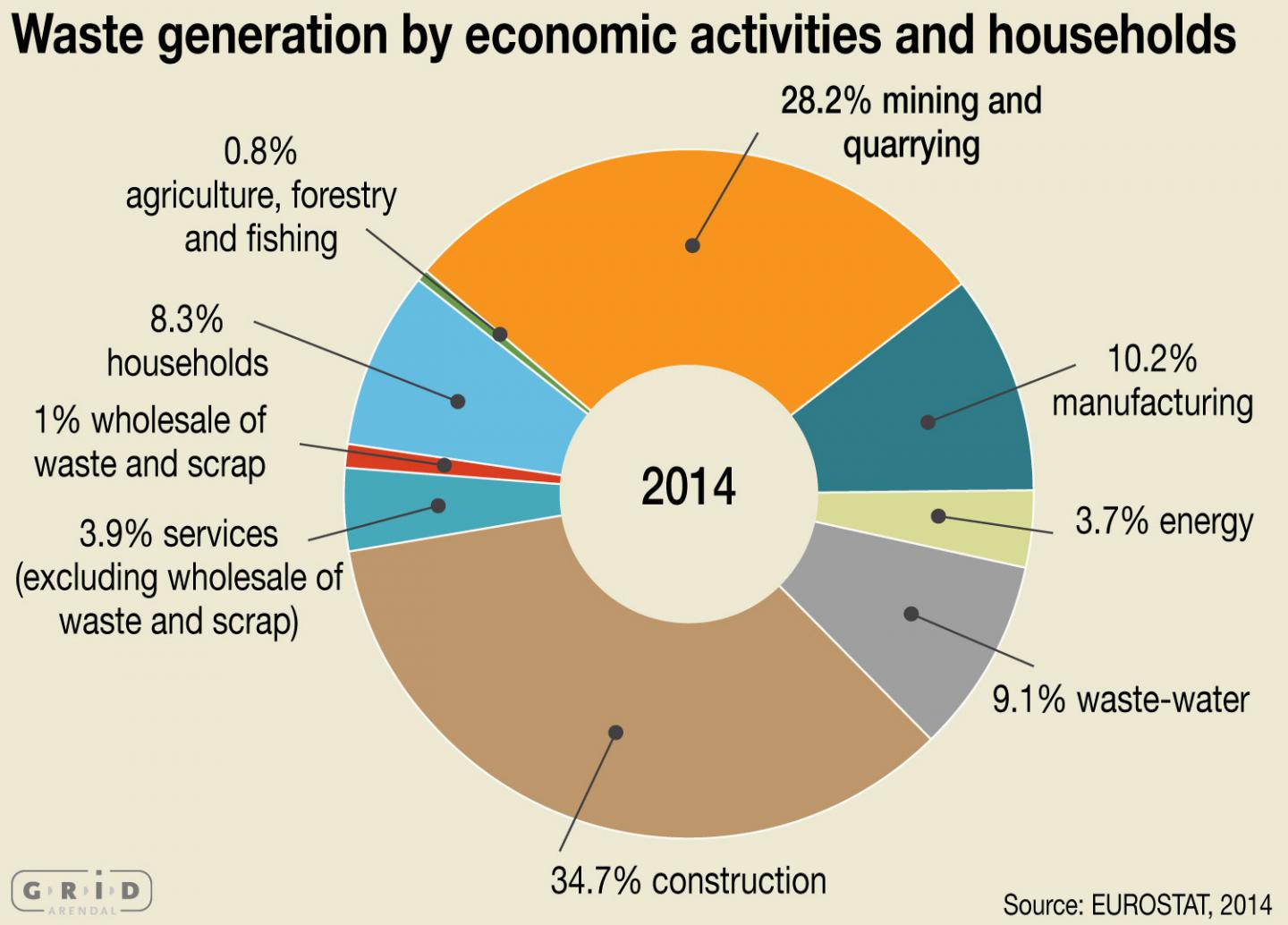
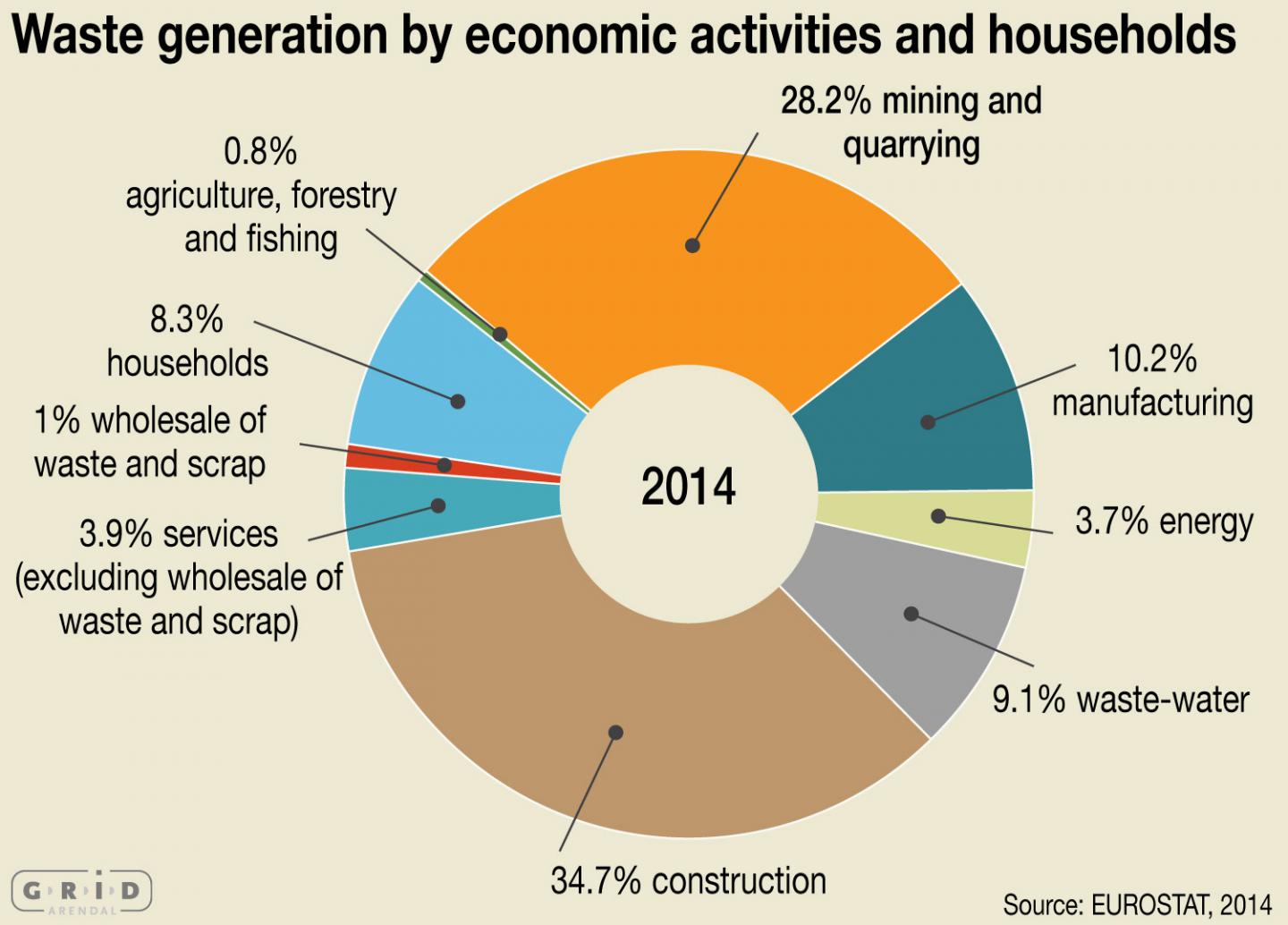
IMAGE

Credit: Cartographer: Kristina Thygesen

A United Nations report just launched says mining companies can simply reduce environmental destruction and death by changing the way they store and manage mine waste.

The report, by UN Environment and GRID-Arendal, calls for mining companies around the world to be bold and examine and change the way they operate. It points out that mine storage dams fail every year, sometimes killing people, but always massively damaging the environment.

Co-author Professor Elaine Baker, from the University of Sydney's School of Geosciences, said: "These dam failures are no accident – they are a testament to the inability of mining companies to reach a standard of construction and management that they themselves acknowledge is possible.

"The technical capacity and knowledge required to manage mine waste exists – it just needs to be implemented."

According to the report, a zero tolerance standard would be possible to implement but would require a longer-term approach, with dedicated personnel and funding.

Professor Baker said Australia, which has a large international mining presence, was is in a position to be a leader in developing the governance framework required to achieve zero tailings dam failures by implementing the recommendations and actions outlined in the report.

The University of Sydney, in conjunction with GRID-Arendal and other international partners, is planning to host a policy forum in 2018 to discuss the development of an international convention on mine waste.

"There is a very strong commitment from many mining companies to ensure that mining supports sustainable development, which includes safeguarding people and the environment" Professor Baker says.

The report – part of the United Nations Environment Programme's Rapid Response Assessment series reserved for the most pressing environmental problems – examines why tailings dams fail and makes recommendations to fix the problem.

The solutions to solving the problems of mine waste are relatively simple and have been identified by the industry in many post-disaster reviews and during the development of best practice guidelines. The report condenses this information into two main recommendations and associated actions:

  • safety should be evaluated separately from economic considerations; and
  • tailings dam government regulation should be improved.

Most important, however, is an effort to find better solutions than building enormous dams and filling them with potentially toxic sludge.

"We will need to think creatively to develop more options for the use or elimination of mine waste – mine waste can become a resource and this is slowly happening in some quarters," Professor Baker concludes.

###

The report will be part of the discussion at next month's 2017 UN Environment Assembly pollution-theme side event on extractives industries, which will take place on 4 December in Nairobi as part of UNEA3.

Images/graphics

  • Other visual explainers available for download via https://www.grida.no/resources/11439
  • Report available via https://www.grida.no/events/9

Media Contact

Vivienne Reiner
[email protected]
61-438-021-390
@SydneyUni_Media

http://www.usyd.edu.au/

Share12Tweet7Share2ShareShareShare1

Related Posts

Do Your Genes Influence How Lifestyle Choices Affect Aging?

Do Your Genes Influence How Lifestyle Choices Affect Aging?

April 1, 2026
Combining Single-Cell Multiomics Unlocks Precise Identification of Rare Cell Types and States

Combining Single-Cell Multiomics Unlocks Precise Identification of Rare Cell Types and States

March 31, 2026

Genetically Engineered Marmosets Pave the Way for Advancements in Human Deafness Research

March 31, 2026

How Great Hammerhead Sharks Outsmart Ocean Temperature Swings: Insights from FIU Researchers

March 31, 2026
Please login to join discussion

POPULAR NEWS

  • blank

    Revolutionary AI Model Enhances Precision in Detecting Food Contamination

    96 shares
    Share 38 Tweet 24
  • Imagine a Social Media Feed That Challenges Your Views Instead of Reinforcing Them

    1006 shares
    Share 398 Tweet 249
  • Promising Outcomes from First Clinical Trials of Gene Regulation in Epilepsy

    51 shares
    Share 20 Tweet 13
  • Popular Anti-Aging Compound Linked to Damage in Corpus Callosum, Study Finds

    43 shares
    Share 17 Tweet 11

About

We bring you the latest biotechnology news from best research centers and universities around the world. Check our website.

Follow us

Recent News

KIST-IAE Collaborative Team Surpasses Performance Limits in Lithium-Air Batteries with Innovative Two-Dimensional Catalyst

Brain Metastases Show Unique Macrophage Spatial Patterns

PRSS56 Drives and Treats Human High Myopia

Subscribe to Blog via Email

Enter your email address to subscribe to this blog and receive notifications of new posts by email.

Join 78 other subscribers
  • Contact Us

Bioengineer.org © Copyright 2023 All Rights Reserved.

Welcome Back!

Login to your account below

Forgotten Password?

Retrieve your password

Please enter your username or email address to reset your password.

Log In
No Result
View All Result
  • Homepages
    • Home Page 1
    • Home Page 2
  • News
  • National
  • Business
  • Health
  • Lifestyle
  • Science

Bioengineer.org © Copyright 2023 All Rights Reserved.