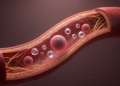
Extracellular vesicles, or EVs, are nanoscale, membrane-enclosed particles that mediate intercellular communication by transferring molecular cargo between donor and recipient cells. These vesicles carry biologically active ribonucleic acid, deoxyribonucleic acid, proteins, lipids, and metabolites, making them promising platforms for diagnostic and therapeutic applications. However, the utility of EVs in clinical and experimental settings depends heavily on the preservation of vesicle integrity and cargo during ex vivo handling and storage. A recent review published in the Journal of Cellular and Molecular Medicine critically evaluates how storage and handling conditions affect EVs derived from non-diseased human and animal cells, tissues, and biological fluids. The study highlights that standardizing pre-analytical and biobanking procedures is essential for improving reproducibility and supporting the clinical translation of EV-based assays and products.
The review distinguishes between several critical endpoints that are often conflated in EV research: EV recovery, cargo abundance, molecular integrity, and functional preservation. Preservation of vesicle number or morphology alone cannot establish the preservation of cargo integrity or biological activity. Consequently, these metrics must be evaluated as separate endpoints when comparing storage conditions. The analysis focuses on EVs from non-diseased sources, which are relevant to therapeutic development because their molecular composition reflects donor-cell physiology and may carry fewer disease-associated liabilities than EVs derived from pathological sources. Nevertheless, EV cargo does not passively replicate the parental cell, as selective sorting mechanisms enrich or exclude specific molecules during EV biogenesis.
Protein cargo stability is significantly influenced by environmental pH, although the reported direction and magnitude of these effects vary considerably among studies. In EVs isolated from HEK293T cell-conditioned medium, incubation at pH 4 for 24 hours resulted in an approximately twofold reduction in EV concentration and in the abundance of EV-associated proteins such as TSG101, Alix, and Hsp70 compared with pH 7. Exposure to alkaline pH 10 also reduced EV concentration and selected protein markers, though the effects were generally less pronounced than those observed at pH 4. These parallel changes suggest that reduced marker detection may partly reflect the loss of recoverable EVs rather than direct degradation of individual proteins. In human salivary EVs, exposure to pH 3 for two hours significantly reduced dipeptidyl peptidase IV activity, while the abundance of several assessed surface, membrane, and luminal EV-associated proteins showed comparatively limited changes.
Repeated freeze-thaw cycles can adversely affect EV recovery and EV-associated proteins. In HEK293T-derived EV preparations, increasing the number of freeze-thaw cycles was associated with progressive reductions in both EV concentration and the abundance of Alix, Hsp70, and TSG101. After two freeze-thaw cycles, EV concentration decreased to approximately 50% of that measured after the first cycle. Although no further significant reduction in EV concentration was observed between the second and fifth cycles, the abundance of EV-associated proteins continued to decline progressively and reached approximately 50% of the initial levels by the fifth cycle. Functional protein endpoints may be particularly sensitive to repeated freezing and thawing, as a single freeze-thaw cycle at -20°C or -80°C caused only a modest reduction in dipeptidyl peptidase IV activity in salivary EVs, whereas three cycles reduced this activity by approximately sixfold.
Storage temperature can influence EV recovery, protein abundance, and protein activity, but the optimal temperature appears to depend strongly on storage duration, EV source, and the endpoint assessed. In HEK293T cell-derived EV preparations, short-term storage for 24 hours at 4°C was associated with higher abundance of Alix, Hsp70, and TSG101 than storage at -80°C, -20°C, 37°C, or 60°C. In contrast, after prolonged storage, EV-associated proteins were better preserved at -80°C than at -20°C or 4°C. These findings suggest that storage conditions suitable for short-term handling may differ from those required for long-term preservation. The available evidence most consistently supports -80°C for long-term preservation of EV preparations, whereas 4°C may be suitable for short-term storage in selected experimental systems.
Protective excipients have been investigated as strategies to reduce storage-associated changes in EVs and their protein cargo. Lyophilization of EVs derived from a corneal stromal stem cell line with the addition of trehalose reduced the loss of CD63, CD9, and CD81 compared with lyophilization without trehalose. These findings suggest that cryoprotective excipients may improve preservation of EV-associated proteins during drying and storage, although retention of protein markers does not necessarily establish maintenance of biological activity. Protective effects have also been reported for bovine serum albumin and Tween 20 in cardiac progenitor cell-derived EV preparations, where EVs stored in the presence of these excipients showed higher total protein content and greater abundance of selected EV-associated proteins than preparations stored without excipients.
The preservation of EV nucleic acid cargo is complicated by differences among analytical endpoints. EV recovery, total RNA or DNA yield, transcript-specific abundance, nucleic acid integrity, and RNA-dependent biological activity represent distinct outcomes and should not be interpreted interchangeably. In plasma-derived EV preparations, a single freeze-thaw cycle was associated with a marked reduction in total RNA yield, with only approximately 23% recovered relative to fresh samples. By contrast, uninterrupted cryopreservation at -80°C for up to 12 days retained approximately 47% to 52% of the initial RNA level. These observations indicate that repeated physical disruption during freezing and thawing may be more detrimental to RNA recovery than uninterrupted frozen storage. The reduction in RNA yield after freeze-thaw exposure should not be considered synonymous with RNA degradation, as loss of recoverable EVs or membrane disruption may reduce the amount of RNA extracted without necessarily indicating structural degradation of all remaining RNA molecules.
Storage medium composition can influence EV-associated nucleic acids at the levels of EV recovery, nucleic acid abundance, and cargo integrity. In HEK293T cell-derived EVs, phosphate-buffered saline alone was associated with greater degradation of small RNAs at 4°C, -20°C, and -80°C. Supplementation of PBS with human serum albumin and trehalose improved small RNA preservation and yielded a higher proportion of full-length complementary DNA. However, longer messenger RNAs remained comparatively unstable under the investigated storage conditions. In contrast, studies of cardiac progenitor cell-derived EVs illustrated that replacing PBS with HEPES buffer was associated with an approximately 20% to 30% increase in recoverable EV concentration and an approximately 25% increase in DNA recovery, but HEPES did not significantly improve RNA degradation relative to PBS. These findings suggest that the effect of the storage medium may differ according to the measured cargo and analytical endpoint.
Donor-cell conditions prior to EV isolation represent distinct determinants of EV cargo that must be distinguished from post-isolation storage stress. Hypoxic preconditioning can alter the protein and nucleic acid composition of EVs by modifying the physiological state of donor cells. For instance, human umbilical cord-derived mesenchymal stromal cells exposed to 1% oxygen for 48 hours released EVs containing approximately threefold higher levels of miR-214 than EVs derived from normoxic cells. This alteration in EV cargo was associated with enhanced biological activity, as treatment of human umbilical vein endothelial cells with these hypoxia-preconditioned EVs significantly enhanced endothelial migration and tube formation. These findings separate hypoxic preconditioning from post-isolation storage stress, indicating that hypoxia acts on viable donor cells before EV release and can activate adaptive transcriptional and cargo-sorting pathways.
Donor-cell replicative state and exposure to bioactive molecules can also influence EV cargo independently of post-isolation storage. In bone marrow- and adipose-derived mesenchymal stromal cells, increasing passage number was associated with changes in EV-associated miRNA profiles, including increased miR-145 and miR-100 and decreased miR-214, miR-21, and miR-126 in later-passage EV preparations. Similarly, donor-cell exposure to bioactive molecules such as melatonin can modify EV release and cargo. In bovine cumulus cells, melatonin treatment changed exosome dynamics by reducing exosome size, altering the expression of exosome-related markers, and increasing unsaturated fatty-acid proportions. These findings support the broader concept that donor-cell metabolic and signalling conditions can influence EV biogenesis and composition before vesicle isolation.
A major limitation of the current literature is the frequent use of EV recovery, cargo abundance, cargo integrity, and functional preservation as interchangeable measures of EV stability. Increased protein or RNA recovery does not necessarily indicate preservation of molecular integrity, and detection of apparently intact cargo does not establish maintenance of biological activity. These endpoints should therefore be assessed independently and integrated when defining optimal storage conditions. For practical application, storage conditions should be selected according to the intended downstream endpoint and storage duration. When short-term preservation is required, 4°C may be suitable for selected EV preparations, particularly when protein abundance is the primary endpoint. For long-term preservation of protein or RNA cargo, -80°C currently has the most consistent support.
Repeated freeze-thaw cycles should generally be minimized, and aliquoting before long-term storage is advisable to improve experimental reproducibility. If RNA integrity or transcript-specific analysis is the main endpoint, buffer composition should be considered carefully, because PBS alone may be suboptimal in some systems, whereas stabilizing formulations may improve RNA preservation. For functional assays, fresh EVs should be used whenever feasible; when storage is unavoidable, aliquoted -80°C-stored preparations are generally preferable to repeated freeze-thaw exposure. The effects of -20°C storage, pH, and buffer composition remain more source- and endpoint-dependent, while protective excipients such as trehalose or protein-containing formulations may improve preservation under specific conditions.
Future studies should apply standardized EV isolation and characterization procedures and clearly distinguish storage of the original biological matrix from storage of isolated EVs. Parallel assessment of EV recovery, cargo abundance, molecular integrity, and biological function will be essential for source- and application-specific preservation protocols. Such standardization will strengthen the reproducibility and translational development of EV-based diagnostics and therapeutics. By defining the preservation requirements of EVs from non-diseased sources, researchers can support reproducible studies of physiological vesicle communication and the development of safer EV-based therapeutic platforms. The careful distinction between different preservation endpoints is crucial for ensuring that EV-based assays and products maintain their biological activity and reproducibility across experimental, pharmaceutical, and clinical workflows.
Subject of Research: Effects of storage and handling conditions on the cargo stability of extracellular vesicles from non-diseased sources
Article Title: Cargo Stability of Extracellular Vesicles Derived From Non‐Diseased Sources: Effects of Storage and Handling Conditions
Article References: Abbasi, K., Mohammadinasr, M., Motavalli, R., Arianfar, N., Toofani‐Milani, A., Shirzad, M., Hosseini, V., & Darabi, M. (2026). Cargo Stability of Extracellular Vesicles Derived From Non‐Diseased Sources: Effects of Storage and Handling Conditions. Journal of Cellular and Molecular Medicine, 30(21), Article e71411. https://doi.org/10.1111/jcmm.71411
Image Credits: AI Generated
DOI: 10.1111/jcmm.71411
Keywords: extracellular vesicles, cargo stability, storage conditions, protein preservation, nucleic acid integrity, freeze-thaw cycles, biobanking, EV recovery, non-diseased sources, pre-analytical handling, Cargo, Stability
News Source: Drew Townsend. (November 8, 2026). Storage Conditions Determine Extracellular Vesicle Cargo Stability. Scienmag.