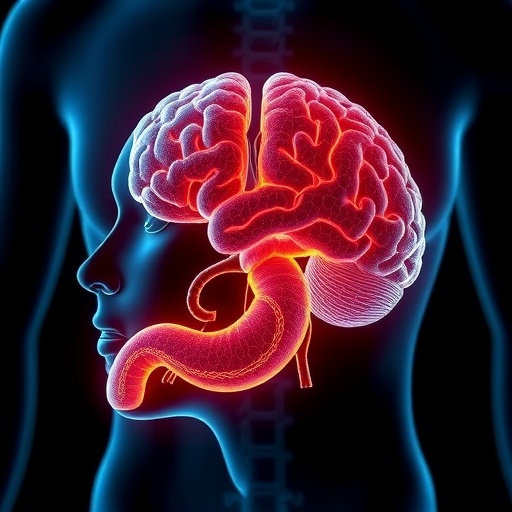
Viral memories may be more than a brain phenomenon. French writer Marcel Proust’s childhood recollections—triggered by the taste of a madeleine—hint at a deeper biology: the digestive system could actively shape how experiences are stored.
New research led by Scott Kanoski at the USC Dornsife College of Letters, Arts and Sciences suggests the gut contributes to memory encoding, particularly when food is involved. The work centers on the vagus nerve, a major communication pathway linking the gut to the brain and known to regulate digestion, appetite, and satiety.
In the study, rats that consumed nutrient-rich foods showed increased acetylcholine-related signaling in circuits involving the hippocampus, a region critical for learning and memory. Acetylcholine is a neurotransmitter that supports synaptic plasticity and helps the brain translate experience into durable memory traces.
The effect depended on gut-to-brain signaling. When researchers experimentally disrupted communication along the vagus nerve, the nutrient-driven increase in acetylcholine disappeared, and rats performed worse on tasks requiring them to remember where they had recently found food.
Crucially, the brain’s response reflected nutritional content rather than mere palatability. Rats exposed to sugar or fat displayed strong memory-associated brain activity, while sweet-tasting but low-calorie or non-caloric solutions failed to trigger comparable hippocampal effects.
The researchers propose an evolved mechanism: by broadcasting nutrient value from the gut, vagus-mediated signals help animals remember which food sources are worth seeking. Remembering where key nutrients are located would improve survival when resources are scarce.
While the same nutrient classes activated memory pathways, chronic exposure to high-fat and high-sugar diets also impaired memory over time. Early-life consumption weakened later gut–hippocampus communication, and even after switching to healthier diets, the animals showed reduced memory-related brain responses.
These findings may help explain why obesity, poor diet, and metabolic disorders are associated with cognitive decline. They also raise the possibility of new avenues for neurodegenerative disease research, including Alzheimer’s, where acetylcholine signaling disruptions emerge early.
Although the results come from animal experiments and human relevance remains to be tested, the study adds weight to a growing view: the gut and brain are not just connected—they may actively cooperate to store what matters.
Subject of Research: Animals
Article Title: The vagus nerve promotes memory in rats via nutrient-induced septo-hippocampal acetylcholine signaling
News Publication Date: 4-Jun-2026
Web References: https://www.nature.com/articles/s41467-026-73896-2
References: 10.1038/s41467-026-73896-2
Image Credits:
Keywords: vagus nerve, acetylcholine, hippocampus, memory, gut-brain axis, nutrients, Alzheimer’s disease, metabolism
Tags: acetylcholine and memory enhancementbiological basis of Proustian memoriesdigestive system influence on memory encodingfood intake and hippocampal activitygut signals and memory consolidationgut-brain axis in learning and memorygut-brain connectionimpact of food nutrients on brain functionnutrient signaling to hippocampusnutritional content versus taste in memoryrole of vagus nerve in cognitive processesvagus nerve role in memory formation