In a groundbreaking advancement that could revolutionize neonatal care, researchers have unveiled an innovative intraperitoneal stem cell therapy capable of rescuing severe necrotizing enterocolitis (NEC) in a murine model. This scientific milestone not only demonstrates profound mitigation of intestinal injury, the hallmark of this devastating condition, but also reveals unexpected protective effects on pulmonary and neuroinflammatory complications—comorbidities that have long exacerbated morbidity and mortality rates among afflicted neonates. Published in the prestigious journal Pediatric Research, the findings promise to shift therapeutic paradigms far beyond traditional approaches.
NEC remains one of the most formidable challenges in neonatal intensive care units worldwide, characterized by widespread intestinal inflammation that rapidly progresses to tissue necrosis. Despite advances in supportive care, its etiology is multifaceted and incompletely understood, involving interplay between immature gut barrier function, dysregulated immune responses, microbial dysbiosis, and hypoxic injury. The high incidence of multi-organ dysfunction accompanying severe NEC, particularly pulmonary and neurological sequelae, has compelled the scientific community to urgently seek novel, systemic interventions.
The investigative team focused on stem cell-based regenerative therapy administered via the intraperitoneal route, which offers direct access to the peritoneal cavity, thereby allowing targeted delivery to the inflamed bowel as well as potential systemic dissemination. This strategic mode bypasses many hurdles associated with intravenous administration, such as cellular entrapment in pulmonary capillaries and rapid clearance, enhancing therapeutic efficacy. The choice of stem cell type and optimization of dosage were critical variables meticulously refined in preclinical validation phases.
Laboratory mice subjected to experimental NEC protocols exhibited hallmark pathological features including extensive intestinal necrosis, elevated pro-inflammatory cytokine levels, and disrupted epithelial integrity. Following administration of the rescue stem cell therapy, treated animals showed marked histological improvement in the intestine. This included restoration of mucosal architecture, reduced leukocyte infiltration, and reestablishment of epithelial tight junction integrity, which collectively indicate an enhanced reparative microenvironment that curbs ongoing injury cascades.
Strikingly, systemic benefits extended beyond the gut. Pulmonary tissues from treated mice revealed significantly decreased markers of inflammation, including diminished alveolar macrophage activation and lower cytokine expression, suggesting that the stem cells exert far-reaching immunomodulatory effects that may prevent the onset or progression of NEC-associated lung injury. This is particularly salient given that respiratory complications in NEC survivors contribute heavily to long-term morbidity.
Neurological outcomes, often overlooked in NEC research, also garnered attention. Neuroinflammation, assessed through microglial activation and inflammatory mediator profiling, was notably attenuated in the stem cell therapy group. The authors hypothesize that stem cell secretomes or extracellular vesicles may cross the blood-brain barrier directly or through systemic immune modulation, exerting neuroprotective influences that could mitigate cognitive and developmental delays observed in infants surviving NEC episodes.
Crucially, the study utilized rigorous controls and longitudinal assessments to substantiate the durability of therapeutic effects. Animals were monitored across acute and subacute phases, allowing differentiation between immediate anti-inflammatory responses and sustained regenerative processes. Encouragingly, treated subjects exhibited improved survival rates and functional outcomes, underscoring the translational promise of the intervention.
The mechanistic underpinnings of the therapy likely involve modulation of complex immune networks. Stem cells are known to secrete a milieu of bioactive molecules including growth factors, anti-inflammatory cytokines, and extracellular vesicles rich in microRNAs that orchestrate tissue repair and immune tolerance. By dampening hyperinflammation and promoting epithelial regeneration, these cells interrupt the pathological feedback loops fueling NEC progression.
The authors emphasize the potential scalability and safety profile of intraperitoneal stem cell delivery, which can be engineered to minimize immunogenicity and enhance homing to inflamed tissues. This is pivotal as clinical translation will necessitate rigorous demonstrations of absence of tumorigenicity, ectopic tissue formation, or systemic adverse effects. Ongoing studies exploring optimal cell sources—including mesenchymal, induced pluripotent, and umbilical cord-derived stem cells—aim to refine therapeutic indices.
This study not only expands scientific understanding of the pathophysiology of NEC but also introduces a versatile therapeutic platform relevant to other inflammatory and ischemic neonatal conditions. Its systemic benefits highlight the intimate cross-organ crosstalk that determines outcomes in critically ill neonates and open avenues for multipronged interventions.
The implications for future clinical trials are profound. Intraperitoneal stem cell therapy may soon complement or even supplant current management strategies reliant on supportive care and surgical intervention. Additionally, the modality’s effectiveness in reducing neurodevelopmental impairment suggests potential to improve long-term quality of life for survivors, a transformative leap forward in pediatric medicine.
While hurdles remain—such as establishing standardized protocols, elucidating long-term safety, and navigating regulatory pathways—this breakthrough heralds a new era in treating complex neonatal diseases through regenerative medicine. Emergent technologies like organ-on-a-chip models and advanced imaging may further accelerate optimization and individualized application.
In sum, the multidisciplinary study conducted by Manohar and colleagues delineates an elegant synthesis of stem cell biology, immunology, and neonatology, spotlighting intraperitoneal administration as a potent therapeutic avenue for combating NEC and its systemic sequelae. As research progresses, the promise of harnessing the body’s own cellular machinery to repair life-threatening injuries comes ever closer to clinical reality.
This pioneering work not only offers hope to families confronting the adversity of NEC but also exemplifies the transformative power of regenerative science to redefine pediatric healthcare. Its resonance within the broader biomedical field is undeniable, potentially catalyzing innovations across developmental biology, inflammatory disease treatment, and translational medicine. The future of neonatal therapy may well be rooted in the reparative potential illuminated by this seminal discovery.
Subject of Research: Stem cell therapy for necrotizing enterocolitis (NEC) and associated multi-organ inflammatory injury in neonatal mice
Article Title: Intraperitoneal rescue stem cell therapy in experimental NEC mitigates intestinal, pulmonary, and neuroinflammatory injury in mice
Article References:
Manohar, K., Mesfin, F.M., Joseph, S. et al. Intraperitoneal rescue stem cell therapy in experimental NEC mitigates intestinal, pulmonary, and neuroinflammatory injury in mice. Pediatr Res (2025). https://doi.org/10.1038/s41390-025-04599-5
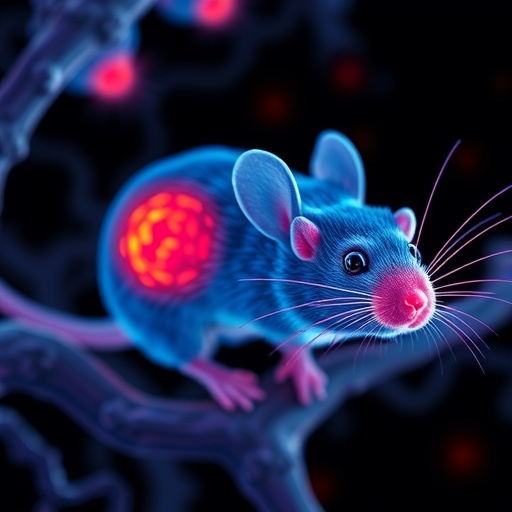
Image Credits: AI Generated
DOI: 02 December 2025
Tags: innovative therapies in neonatal intensive careintestinal inflammation in neonatesintraperitoneal stem cell deliverymulti-organ dysfunction in neonatesmurine model of NECnecrotizing enterocolitis treatmentneonatal care advancementsneuroinflammatory effects of NECpediatric research breakthroughspulmonary complications of NECregenerative medicine in pediatricsstem cell therapy for NEC