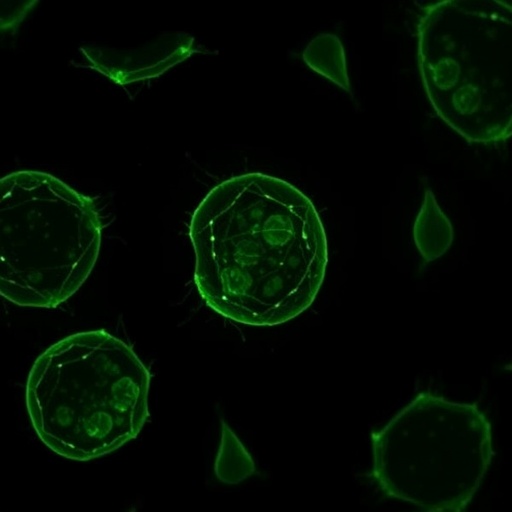
Recent research has shed light on a groundbreaking approach to enhance oocyte quality, particularly in the context of maternal aging. A study conducted by Xiong et al. reveals that a novel compound known as SS-31 significantly improves the functionality and metabolic processes of oocytes derived from aged females. This advancement carries profound implications for reproductive health, especially in an era where maternal age continues to increase, leading to a higher incidence of fertility issues and genetic anomalies in offspring.
Mitochondrial health is crucial for maintaining oocyte viability and quality. As female organisms age, mitochondrial function typically declines, attributed to oxidative stress and a decrease in energetic efficiency. The study explores the role of SS-31, a mitochondrial-targeted peptide, known to mitigate oxidative stress and enhance energy metabolism within cells. By focusing on mitochondrial rejuvenation, the researchers aimed to restore the reproductive capabilities akin to those observed in younger females.
The experimental design involved subjecting aged oocytes to SS-31 treatment and subsequently evaluating the resultant changes in mitochondrial function and overall oocyte quality. Through meticulous analysis, the team observed substantial improvements in parameters such as mitochondrial membrane potential, ATP production, and the overall metabolic profile of the oocytes. These findings highlight the potential therapeutic applications of mitochondrial-targeted compounds in addressing age-related reproductive decline.
Understanding the mechanisms underlying the deterioration of oocyte quality in aged females is paramount. The research presented compelling evidence that SS-31 acts by counteracting oxidative damage while promoting efficient mitochondrial bioenergetics. This dual action gives hope to many women facing age-induced fertility challenges. Furthermore, the implications go beyond reproductive biology; they touch on broader aspects of aging and mitochondrial dysfunction, offering a glimpse into potential interventions across various age-related diseases.
The study also points out that traditional fertility treatments often overlook the mitochondrial aspect of oocyte quality. By integrating mitochondrial health into fertility therapies, practitioners may provide a more comprehensive approach to assisted reproductive technologies. This shift can alter the trajectory of fertility treatments, prioritizing not only the immediate reproductive success but also the long-term health of both the mother and child.
Moreover, the positive results observed underline the necessity of further investigations into the specific molecular pathways influenced by SS-31. Future studies may delve deeper into understanding how the compound interacts with mitochondrial dynamics and its long-term effects on reproductive health. This could pave new avenues for developing targeted therapies aimed at enhancing reproductive outcomes in aged populations.
Another significant finding of the research was the overall improvement in the developmental competence of the treated oocytes. Enhanced embryonic development yields a higher success rate for in vitro fertilization (IVF) procedures, indicating that the benefits of SS-31 extend beyond oocyte quality to affect subsequent developmental stages. If validated in clinical settings, this approach could revolutionize infertility treatments for older women and provide them with renewed opportunities for motherhood.
The discussion surrounding maternal age and fertility is a pressing issue that requires innovative solutions. With societal norms shifting toward later pregnancies, understanding the biological ramifications of age on reproductive health becomes paramount. The work by Xiong et al. directly addresses this challenge, highlighting how specific interventions at the cellular level may counteract age-related impairments. By focusing on mitochondrial function, researchers are unearthing a new dimension of reproductive science that could redefine how we approach age-related fertility issues.
In addition to its implications for human reproduction, the findings could also have significant repercussions in conservation biology. For example, understanding how to enhance oocyte quality in aged females could help with species conservation efforts, particularly for endangered species facing fertility challenges due to age. This cross-disciplinary impact accentuates the versatility and importance of mitochondrial-targeted therapies across various fields of science.
Considering the increasing rates of infertility linked to maternal aging, the potential market for a successful mitochondrial-targeted therapy for oocyte quality improvement could be significant. The research opens possibilities for biotechnology companies to further explore and commercialize mitochondrial-focused solutions. If SS-31 can be developed into a widely accepted treatment, it could provide hope and tangible solutions for many couples aspiring to conceive later in life.
Adoption of this research into clinical practice would necessitate large-scale studies to confirm efficacy and safety. Since reproductive health is a sensitive area, regulatory frameworks would ensure that any new therapeutic agents undergo rigorous testing before becoming available to the public. However, the initial findings from Xiong et al. suggest a promising avenue for future developments in reproductive medicine.
In conclusion, the research led by Xiong et al. marks a significant step forward in understanding and combating the effects of maternal aging on oocyte quality. The potential of SS-31 as a therapeutic agent to ameliorate mitochondrial dysfunction presents a novel approach that could reshape fertility treatments. As society grapples with increasing maternal age, such advancements may offer renewed hope for aspiring parents. The future of reproductive health may very well be anchored in the health of mitochondria, illuminating a path toward greater understanding and innovative therapeutic strategies.
Subject of Research: Oocyte quality improvement in aged females through mitochondrial enhancement.
Article Title: SS-31 improves the quality of maternally aged oocytes by ameliorating mitochondrial function and metabolism.
Article References:
Xiong, D., Zhang, Y., Wei, J. et al. SS-31 improves the quality of maternally aged oocytes by ameliorating mitochondrial function and metabolism. J Ovarian Res (2026). https://doi.org/10.1186/s13048-026-01975-5
Image Credits: AI Generated
DOI:
Keywords: Oocyte quality, maternal aging, mitochondrial function, SS-31, reproductive health.
Tags: aged female reproductive capabilitiesenergy metabolism in oocytesenhancing oocyte qualityfertility issues in older womenimproving oocyte viabilitymaternal aging and fertilitymitochondrial-targeted peptidesoocyte quality assessmentoxidative stress and mitochondriareproductive health advancementsrestoring mitochondrial function in oocytesSS-31 mitochondrial support