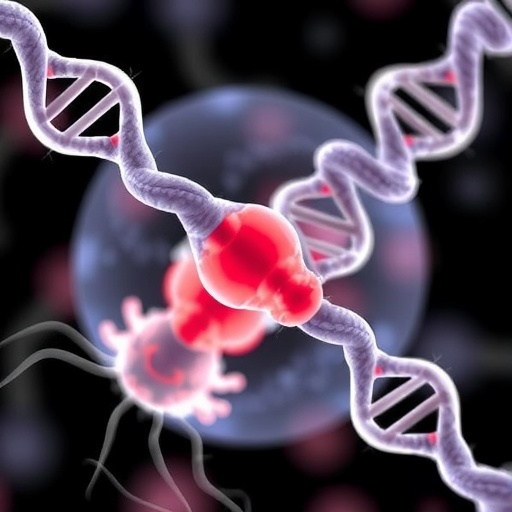
Sperm DNA fragmentation is increasingly recognized as a critical factor influencing male infertility, with profound implications for embryo development, implantation, and overall pregnancy outcomes. Traditionally, standard semen analyses have overlooked assessments of DNA integrity, creating a significant gap in our understanding of male reproductive health. The complexities of male infertility are often compounded by multiple biological pathways, including apoptosis, oxidative stress, and exposure to environmental toxins, all of which can compromise reproductive potential and diminish the chances of successful conception. This growing awareness has sparked an urgent need for advanced diagnostic tools that can accurately assess sperm DNA integrity.
Recent advancements in reproductive biology have highlighted numerous methodologies aimed at measuring sperm DNA fragmentation. Techniques such as the sperm chromatin structure assay, terminal deoxynucleotidyl transferase dUTP nick end labelling (TUNEL), the Comet assay, and sperm chromatin dispersion have emerged, each bringing its unique advantages and limitations to the fore. For instance, while the TUNEL assay is well-regarded for its sensitivity in detecting DNA breaks, it often requires meticulous sample handling and analysis. Conversely, the sperm chromatin structure assay offers a broader insight into chromatin packaging but may not provide as detailed information on specific DNA fragmentation events. These methodologies not only enhance our understanding of infertility but also improve the precision of assisted reproductive technologies.
Advancements in technology have further revolutionized sperm assessment, introducing automated imaging techniques powered by machine learning algorithms. Such high-throughput systems enable single-sperm evaluation, significantly reducing the subjectivity associated with manual scoring. This is particularly critical in clinical settings where objectivity and reproducibility are paramount. As more labs adopt these novel imaging platforms, there is an increasing shift toward more reliable and consistent evaluations of sperm DNA integrity, paving the way for improved infertility diagnostics and treatments.
Nevertheless, the issue of sperm DNA fragmentation is not uniform across different species, complicating our understanding of DNA stability and sperm quality. The physiological differences between humans and other mammals, particularly in livestock and models used in artificial insemination, present unique challenges. However, the similarities between humans and closely related species provide opportunities for translational research that can yield valuable insights. Understanding these variances can enhance the effectiveness of reproductive technologies and lead to better outcomes in both human fertility treatments and agricultural practices.
Emerging sperm selection technologies are also gaining traction in the quest to reduce DNA fragmentation. Techniques such as microfluidics, which streamline sperm selection based on motility and other physical characteristics, have shown significant promise in improving reproductive outcomes. Hyaluronic acid affinity systems and magnetic-activated cell sorting further exemplify innovative approaches that not only enhance the quality of sperm selection but also lower the rates of DNA fragmentation. By utilizing these advanced selection methods, practitioners aim to increase the odds of successful fertilization, thereby enhancing the likelihood of healthy pregnancies and live births.
The growing body of evidence surrounding sperm DNA integrity underscores the essential nature of this factor in optimizing assisted reproduction success rates. As the focus shifts toward increasingly personalized fertility treatments, understanding and assessing sperm DNA fragmentation will remain central to the discourse surrounding male infertility. Fertility clinics are expected to incorporate DNA integrity measures into their routine diagnostic protocols, aligning more closely with the comprehensive assessments conducted for female reproductive health.
The implications of sperm DNA fragmentation extend beyond individual couples struggling with infertility. At a broader health perspective, the increasing prevalence of lifestyle-related issues, environmental exposures, and rising rates of male reproductive disorders warrant immediate attention. Addressing these challenges requires a multifaceted approach that includes both innovative research and public health initiatives aimed at educating men about reproductive wellness. Public awareness campaigns focusing on the importance of DNA integrity and its impact on reproductive outcomes may also foster a culture of proactivity regarding male fertility.
Ultimately, deciphering the complexities of sperm DNA fragmentation will pave the way toward more effective interventions in fertility treatments. As researchers continue to unravel the molecular mechanisms underlying this phenomenon, a better understanding of the interplay between environmental factors, lifestyle choices, and genetic predispositions will emerge. This knowledge will not only aid in developing tailored therapeutic approaches for couples facing infertility but may also contribute to breakthroughs in regenerative medicine and other fields.
Moreover, the conversation surrounding sperm quality is evolving to reflect a more holistic view of male reproductive health, encompassing not just sperm count or motility, but also DNA integrity. New research paradigms are emerging that investigate the associations between lifestyle modifications, environmental factors, and sperm quality. Insights gleaned from such studies can guide public health policies and clinical practices, potentially mitigating the impact of environmental toxins on reproductive health.
As researchers continue to explore the intricate relationships between sperm DNA fragmentation and reproductive outcomes, it is clear that capturing a comprehensive picture of male fertility requires a multidisciplinary approach. Collaboration across fields such as genetics, reproductive biology, environmental health, and public policy will be crucial for advancing our understanding of these complex issues and translating findings into effective interventions.
In summary, sperm DNA fragmentation represents a pivotal aspect of male fertility that merits rigorous scientific inquiry. The convergence of advanced diagnostic technologies, innovative sperm selection methodologies, and heightened awareness of environmental influences is likely to drive significant progress in the field of reproductive medicine. As researchers and clinicians work together to optimize assisted reproduction success rates, the emphasis on DNA integrity will undoubtedly shape the future landscape of fertility treatment and male reproductive health.
The journey toward understanding sperm DNA fragmentation is far from over. Ongoing research efforts are set to unveil new insights and strategies, ultimately leading to improved outcomes for couples facing infertility struggles. With a steadfast commitment to advancing scientific knowledge and clinical practices, the reproductive health community is poised to make significant strides in addressing male infertility, enhancing both individual and population health in the process.
Subject of Research: Sperm DNA fragmentation and its impact on male fertility.
Article Title: Sperm DNA fragmentation and its influence on mammalian reproduction.
Article References:
Dabiri, M., Goss, D.M., Ramasamy, R. et al. Sperm DNA fragmentation and its influence on mammalian reproduction.
Nat Rev Urol (2026). https://doi.org/10.1038/s41585-025-01123-6
Image Credits: AI Generated
DOI: 10.1038/s41585-025-01123-6
Keywords: Sperm DNA fragmentation, male infertility, reproductive health, assisted reproduction, DNA integrity, sperm selection technologies.
Tags: advanced diagnostic tools for spermComet assay for DNA fragmentationembryo development impactenvironmental toxins and fertilityimplications for pregnancy outcomesmale infertility diagnosismale reproductive biology techniquesoxidative stress in spermreproductive health assessmentsperm chromatin structure assaySperm DNA fragmentationTUNEL assay for DNA breaks