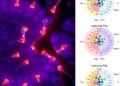
In a groundbreaking study published this November, researchers have unveiled pioneering insights into cardiac function in children diagnosed with osteogenesis imperfecta (OI), utilizing the advanced imaging technique of speckle tracking echocardiography (STE). This innovative approach has opened new horizons in pediatric cardiology by providing a detailed, non-invasive evaluation of myocardial mechanics, a critical need given the complex cardiovascular challenges associated with OI.
Osteogenesis imperfecta, colloquially known as brittle bone disease, is a genetic disorder characterized primarily by fragile bones susceptible to frequent fractures. While much of the clinical attention has traditionally focused on skeletal manifestations, emerging evidence underscores significant cardiovascular implications that require sophisticated assessment methods. Here, the use of STE represents a transformative advancement, offering a nuanced understanding of myocardial deformation patterns that conventional echocardiography might miss.
Speckle tracking echocardiography, which analyzes the motion of natural acoustic markers—or “speckles”—within the myocardium, allows for the precise quantification of cardiac strain and strain rate. This myocardial deformation imaging provides critical data about the intrinsic myocardial contractility and stiffness, parameters especially relevant in OI patients who might have subclinical cardiac abnormalities that precede overt functional impairment. The study leverages this technology to bridge a critical knowledge gap in pediatric cardiology.
The investigation included a cohort of children diagnosed with various types of osteogenesis imperfecta, systematically evaluating their cardiac function against healthy pediatric controls. Researchers meticulously performed STE to assess left ventricular mechanics, focusing on parameters such as longitudinal, circumferential, and radial strain. These parameters collectively offer a comprehensive map of the heart’s mechanical performance, illustrating subtle dysfunctions invisible to routine echocardiography.
A compelling finding of this study was the identification of altered myocardial strain patterns in OI children, indicating early myocardial involvement despite preserved ejection fraction in most cases. This suggests that cardiac abnormalities in these patients may be more ethereal and subtle, necessitating sensitive diagnostic modalities like STE to detect early myocardial deformation alterations. Such abnormalities, if undetected, could predispose these children to progressive cardiac complications later in life.
The researchers further highlight the pathophysiological underpinnings linking OI with myocardial abnormalities. Collagen defects inherent to OI, primarily Type I collagen mutations, not only compromise bone integrity but also affect the structural scaffolding of cardiac connective tissue. This collagen disruption potentially results in altered myocardial stiffness and elasticity, adversely impacting cardiac contractility and relaxation dynamics, as reflected in the altered STE-derived strain metrics.
Analysis of speckle tracking-derived strain components revealed localized functional impairments, particularly in the longitudinal strain values among the left ventricle’s basal and mid-segments. These localized reductions are indicative of myocardial fiber disarray or fibrosis, phenomena corroborated by prior histopathological studies in OI, lending credence to the hypothesis that myocardial remodeling is a clinically relevant aspect of disease pathogenesis.
Moreover, the study delves into the correlation between the severity of osteogenesis imperfecta, as assessed by clinical and genetic markers, and the degree of myocardial dysfunction. Children with more severe phenotypes exhibited pronounced abnormalities in myocardial strain, which raises critical questions about the prognostic implications of cardiac involvement and the potential need for earlier cardiac monitoring and intervention protocols in high-risk OI populations.
From a methodological standpoint, the precision and reproducibility of speckle tracking echocardiography in pediatric subjects reinforce its value as a clinical tool. Unlike traditional Doppler-based strain imaging, STE’s angle-independent nature makes it particularly suited for children, where heart size and positioning can limit conventional imaging quality. This technical superiority ensures reliable serial assessments, facilitating longitudinal studies on disease progression and therapeutic efficacy.
The clinical ramifications of this research extend beyond diagnosis. Understanding the myocardial mechanics in OI can inspire targeted therapeutic approaches aimed at optimizing cardiac function. Interventions focusing on mitigating myocardial fibrosis or enhancing myocardial elasticity could potentially be tailored to improve overall cardiac outcomes in this vulnerable pediatric group. Early identification via STE paves the way for such precision medicine strategies.
Additionally, this study’s innovative imaging approach may fuel broader investigations into the cardiovascular sequelae of other connective tissue disorders. By establishing a robust framework for myocardial deformation analysis in genetically mediated collagenopathies, it sets a precedent for expanding cardiac phenotyping in rare pediatric diseases that traditionally have been underrepresented in cardiovascular research.
The implications for healthcare providers are profound. Pediatric cardiologists, orthopedists, and geneticists must coalesce in a multidisciplinary framework to integrate cardiac health assessments as a routine component of OI management. The data advocate for incorporating STE into standard follow-up protocols, facilitating early detection and potentially averting cardiac morbidities through timely medical interventions.
One of the enduring challenges highlighted by the authors is the necessity for larger, longitudinal studies to validate these preliminary findings and ascertain the natural history of cardiac involvement in osteogenesis imperfecta. Such research endeavors would be instrumental in shaping evidence-based guidelines tailored to the unique cardiovascular risks inherent in this population.
Moreover, the accessibility of speckle tracking echocardiography, while increasingly widespread, still faces logistical and economic barriers in several clinical settings. Addressing these disparities through technological innovation and cost reduction is imperative to democratize access to this transformative diagnostic tool, ensuring equitable care for all children affected by OI globally.
In closing, this study marks a seminal moment in pediatric cardiology and genetic disease research. By harnessing the capabilities of speckle tracking echocardiography to discern subtle myocardial dysfunction in osteogenesis imperfecta, it not only enriches our pathophysiological understanding but also charts a course for improved clinical care and future investigative pathways.
As the clinical community digests these revelations, there is palpable excitement around the prospect of integrating sophisticated cardiac imaging into the holistic management of osteogenesis imperfecta, a condition historically dominated by skeletal concerns. This advance epitomizes the confluence of innovation, clinical insight, and patient-centered research that defines modern pediatric medicine.
Ultimately, the integration of STE in evaluating myocardial function in pediatric OI patients is poised to shift paradigms—promising early diagnosis, personalized therapeutic strategies, and improved prognostic accuracy, thereby enhancing both quality and longevity of life for children grappling with this multifaceted disorder.
Article References:
Elseedy, S., Elnemr, S., Badreldeen, S. et al. Assessment of cardiac function by speckle tracking echocardiography in children with osteogenesis imperfecta. Pediatr Res (2025). https://doi.org/10.1038/s41390-025-04522-y
DOI: 10.1038/s41390-025-04522-y (Published 19 November 2025)
Tags: assessing heart function in OIbrittle bone disease cardiovascular implicationscardiac strain and strain rate analysisinnovative imaging techniques in medicinemyocardial deformation patternsmyocardial mechanics evaluationnon-invasive cardiac assessmentosteogenesis imperfecta cardiac functionpediatric cardiology advancementspediatric heart health researchspeckle tracking echocardiographysubclinical cardiac abnormalities in children