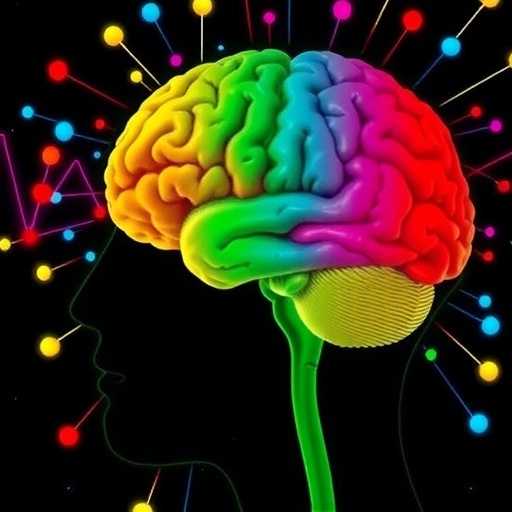
Recent research has illuminated the complex relationships that bind social stress, the cortisol awakening response, and brain structure, particularly focusing on the hippocampus and amygdala. These two critical regions of the human brain are notoriously involved in stress regulation and emotional processing. The pioneers behind this groundbreaking study, Wang, Noack, and Kuhn, delve into the intricate associations among these variables, revealing significant insights that could inform future psychological and neurological studies. As we venture through their findings, a deeper understanding of how social stressors can architect our neural pathways becomes essential.
The significance of the hippocampus and amygdala cannot be overstated, as they are vital for maintaining emotional well-being and cognitive functions. The hippocampus is crucial for memory formation and spatial navigation, while the amygdala plays a fundamental role in processing emotions, especially fear and pleasure. Both regions exhibit high plasticity, meaning their structure can change in response to various stimuli, including stress. The study focuses on examining how social stress affects these brain areas and whether the cortisol awakening response—a spike in cortisol levels upon waking—serves as a mediator in this relationship.
Social stress arises from an array of contextual factors, including interpersonal relationships, societal pressures, and competitive environments. As individuals navigate these stimuli, the body’s biological response often manifests through hormonal fluctuations. Central to this research is cortisol, the primary glucocorticoid hormone produced by the adrenal glands, which is intricately tied to stress responses. Usually, this hormone helps the body manage stressful situations by mobilizing energy and influencing various physiological systems. However, chronic social stress can lead to dysregulated cortisol responses, potentially impacting brain structures like the hippocampus and amygdala.
In their study, Wang and colleagues analyzed data from a diverse sample of participants, spanning various ages and backgrounds to assess the effects of social stress and cortisol on brain volume. They employed advanced imaging techniques to measure hippocampal and amygdala volumes, coupled with comprehensive stress assessments. The results revealed critical correlations between increased levels of social stress, heightened cortisol awakening responses, and reduced volumes in these essential brain regions.
One notable finding of the research suggests that the impact of social stress on brain structure may vary by sex. The study identifies differential patterns in how male and female participants respond to social stress, with women showing greater susceptibility to cortisol-induced alterations in brain volume. This variance underscores the importance of considering gender as a critical factor in research on stress and its physiological consequences, ultimately leading to more tailored and effective intervention strategies.
Furthermore, exploring the implications of these findings illuminates the potential long-term effects of chronic social stress on mental health. For individuals persistently exposed to social stressors, the consequential alterations in brain structure could predispose them to mood disorders and cognitive impairments. This research emphasizes the necessity for mental health practices that acknowledge the stressors of modern living and the importance of supportive relationships to mitigate these negative effects.
Protective factors that can buffer the effects of social stress also emerged as a significant theme in Wang et al.’s research. Social support and constructive coping strategies play vital roles in regulating cortisol levels and safeguarding against the adverse impacts of stress on brain structure. Cultivating supportive relationships and engaging in mindfulness practices are actionable steps individuals can take to bolster resilience in the face of societal challenges.
Moreover, understanding the biological mechanisms linking stress, cortisol levels, and brain structure fosters a more profound comprehension of various mental health conditions. Disorders such as depression, anxiety, and PTSD are often exacerbated by chronic stress and dysregulated cortisol responses. The insights gained from this research may pave the way for novel therapeutic approaches aimed at restoring balance in cortisol levels, thereby promoting healthy brain function and emotional well-being.
The study also invites further inquiry into genetic predispositions, environmental influences, and life experiences that interact with social stress and cortisol responses. As researchers continue to explore these multilayered relationships, personalized strategies for managing stress and enhancing mental health can be developed, enabling individuals to navigate their unique challenges more effectively.
In summary, Wang, Noack, and Kuhn’s research casts a revealing light on the intricate ties between social stress, cortisol awakening response, and brain structure, focusing on the hippocampus and amygdala. By documenting these associations and highlighting the surprising differences between sexes, the study paves the way for future research that can build on these findings to address the pressing mental health issues many face today. The intersection of stress biology and mental health is poised to play a critical role in shaping our understanding of emotional resilience and vulnerability in an increasingly complex world.
This compelling research not only delineates how stress can sculpt our neural architecture but also calls upon societal structures to foster environments that safeguard mental health. As awareness grows, the potential for translational research to inform public health initiatives becomes ever more tangible, igniting hope for individuals seeking to reclaim their lives from the grips of chronic stress.
The journey of understanding these profound connections between social environments, hormonal responses, and brain structure is ongoing. With continued exploration and dedication, the potential exists for breakthroughs that could revolutionize how we approach mental health care and promote emotional well-being on a grand scale.
As 2025 approaches, this emerging field brings optimism for more effective pruning of the stress-adverse pathways in our brains, cultivating resilience and adaptability in an age of unprecedented social demands.
Subject of Research:
Social stress, cortisol awakening response, and sex differences in relation to hippocampus and amygdala volume.
Article Title:
Social stress, cortisol awakening response and sex: association with hippocampus and amygdala volume.
Article References:
Wang, R., Noack, H., Kuhn, L. et al. Social stress, cortisol awakening response and sex: association with hippocampus and amygdala volume.
Biol Sex Differ 16, 104 (2025). https://doi.org/10.1186/s13293-025-00801-9
Image Credits:
AI Generated
DOI:
https://doi.org/10.1186/s13293-025-00801-9
Keywords:
Cortisol, Social Stress, Brain Structure, Hippocampus, Amygdala, Emotional Well-being, Sex Differences.
Tags: competitive environments and stress responsecortisol awakening response researchcortisol levels and emotional well-beingemotional processing and stress regulationhippocampus and amygdala functionimpact of stress on cognitive functionsinsights into neurological studies on stressinterpersonal relationships and mental healthneural plasticity in response to stresspsychological implications of social stresssocial stress and brain structuresocietal pressures affecting brain health