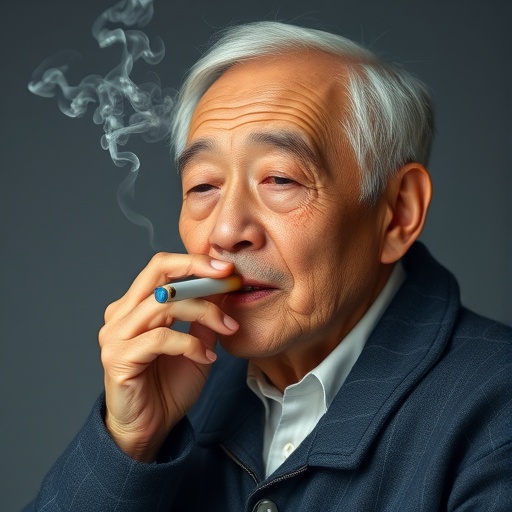
Recent research emerging from China highlights the complex interplay between smoking behavior and biological aging, particularly among older adults. This study, spearheaded by a team of researchers including Tang, Guo, and Chen, delves into various dimensions of smoking behavior and their correlations with accelerated aging measured through composite biomarkers. The implications of these findings are profound, offering insights not just into the biological effects of smoking but also into potential public health interventions aimed at promoting healthier aging in older populations.
As the global population ages, understanding the factors that contribute to biological aging has become paramount. Biological age is not solely determined by chronological age; rather, it encompasses physiological and biochemical markers that indicate how well an individual’s body is functioning. The researchers employed a rigorous methodology to analyze these biomarkers in the context of smoking, shedding light on the multifaceted effects of tobacco use on health. The work is an important reminder that behaviors, particularly those considered harmful, have far-reaching consequences beyond immediate health outcomes.
The study distinguishes between different smoking behaviors, aiming to categorize them into distinct dimensions. Such categorization is crucial because not all smoking habits have the same impact on biological aging. For instance, the frequency of smoking, duration of the habit, and the type of tobacco product used are all variables that can influence health outcomes differently. By taking a nuanced approach to smoking behavior, the study provides a comprehensive understanding of how these factors contribute to the overall aging process. This level of detail is essential for devising targeted public health strategies that can mitigate the risks associated with smoking.
Moreover, the research highlights the role of composite biomarkers in assessing biological age. These biomarkers serve as indicators of various physiological processes related to aging, encompassing inflammatory markers, metabolic indicators, and genomic stability. The acceleration of biological aging linked to smoking suggests that tobacco use may hasten the body’s deterioration, leading to a range of age-related diseases. Understanding which biomarkers are most affected by smoking behavior can pave the way for future research aimed at developing preventive strategies to enhance the quality of life in older adults.
In the context of public health, the findings underscore the urgency of tobacco control measures. Smoking cessation programs and smoking prevention initiatives tailored to older populations could yield significant benefits. The study calls for policymakers to consider the unique aspects of smoking behavior amongst older adults, recognizing that strategies employed for younger demographics may not be as effective. As the aging population continues to grow, the need for targeted interventions becomes increasingly critical.
Furthermore, the study reveals a concerning correlation between smoking and various health outcomes, including the prevalence of chronic diseases and decreased longevity. Older adults who engage in smoking behaviors not only exhibit accelerated biological aging but also report higher instances of cardiovascular issues, respiratory problems, and other age-related complications. This connection necessitates a comprehensive approach to smoking cessation that addresses the specific challenges older adults face, such as the potential for addiction or the physiological changes associated with aging.
The researchers’ findings may also serve as a catalyst for further studies exploring the underlying mechanisms linking smoking to biological aging. For instance, an investigation into how smoking-induced inflammation contributes to accelerated aging could provide deeper insights. Moreover, examining how different quitting methods impact the aging process could lead to optimized strategies for older individuals attempting to quit smoking. The quest for understanding the biological effects of smoking is far from over, and this study represents a significant step forward in that journey.
Importantly, the research also calls attention to the social and psychological factors surrounding smoking in older adults. Factors such as social support, mental health status, and cultural attitudes towards smoking can significantly influence smoking behavior among this demographic. Addressing these layers when developing smoking cessation programs could improve their effectiveness, underpinning the necessity for a holistic approach to health interventions.
While the biological implications of this study are striking, there is also a need to translate these findings into actionable public health strategies. Ongoing education about the risks associated with smoking, particularly in relation to aging, is vital. Community programs designed to support older adults in quitting smoking, while simultaneously promoting overall wellness, could mitigate many of the negative outcomes associated with tobacco use. Such programs could incorporate resources that engage participants, create supportive environments, and provide tailored advice on quitting.
As the aging population continues to expand globally, there is a pressing need to prioritize research endeavors that elucidate the connections between lifestyle choices and aging. The dimensions of smoking behavior explored in this study provide an essential foundation for future investigations. Recognizing that smoking is not a monolithic behavior, but rather a spectrum of practices with differing health implications, can inform future research agendas aimed at public health improvements.
The implications of accelerated biological aging due to smoking behavior cannot be understated, particularly in China, where smoking rates among older adults remain high. This demographic’s health is critical to the nation’s future, as older individuals contribute significantly to family and society. The findings from this research highlight the intersection of personal health behaviors and broader social implications, emphasizing the importance of prioritizing tobacco control policies.
In summary, this comprehensive study provides an essential insight into the relationship between smoking behaviors and biological aging in older adults. The research team’s systematic approach not only uncovers the detrimental effects of smoking but also lays the groundwork for future studies aimed at mitigating these risks. The need for focused intervention strategies, public health policies, and ongoing research in this area is more pressing than ever.
As policymakers and healthcare professionals reflect on these findings, it is crucial to advocate for the well-being of older adults through evidence-based approaches that address the complexities of smoking. Through a dedicated and informed effort, the impact of harmful behaviors like smoking can be reduced, potentially enhancing the health and longevity of future generations.
Subject of Research: The relationship between smoking behavior and biological aging in older adults.
Article Title: Different dimensions of smoking behavior and their associations with accelerated composite biomarkers-based biological aging in Chinese older adults.
Article References:
Tang, D., Guo, Z., Chen, J. et al. Different dimensions of smoking behavior and their associations with accelerated composite biomarkers-based biological aging in Chinese older adults.
BMC Geriatr (2025). https://doi.org/10.1186/s12877-025-06828-2
Image Credits: AI Generated
DOI: 10.1186/s12877-025-06828-2
Keywords: Smoking behavior, biological aging, older adults, biomarkers, public health.
Tags: biological aging markers in older adultsimpact of tobacco on health in seniorspromoting healthier aging through lifestyle changespublic health interventions for aging populationsresearch on smoking cessation benefitssmoking and type of tobacco usedsmoking behaviors among Chinese seniorssmoking cessation effects on agingsmoking habits and physiological healthstudy on smoking effects in older demographicstobacco use and its consequences on agingunderstanding smoking and aging relationship