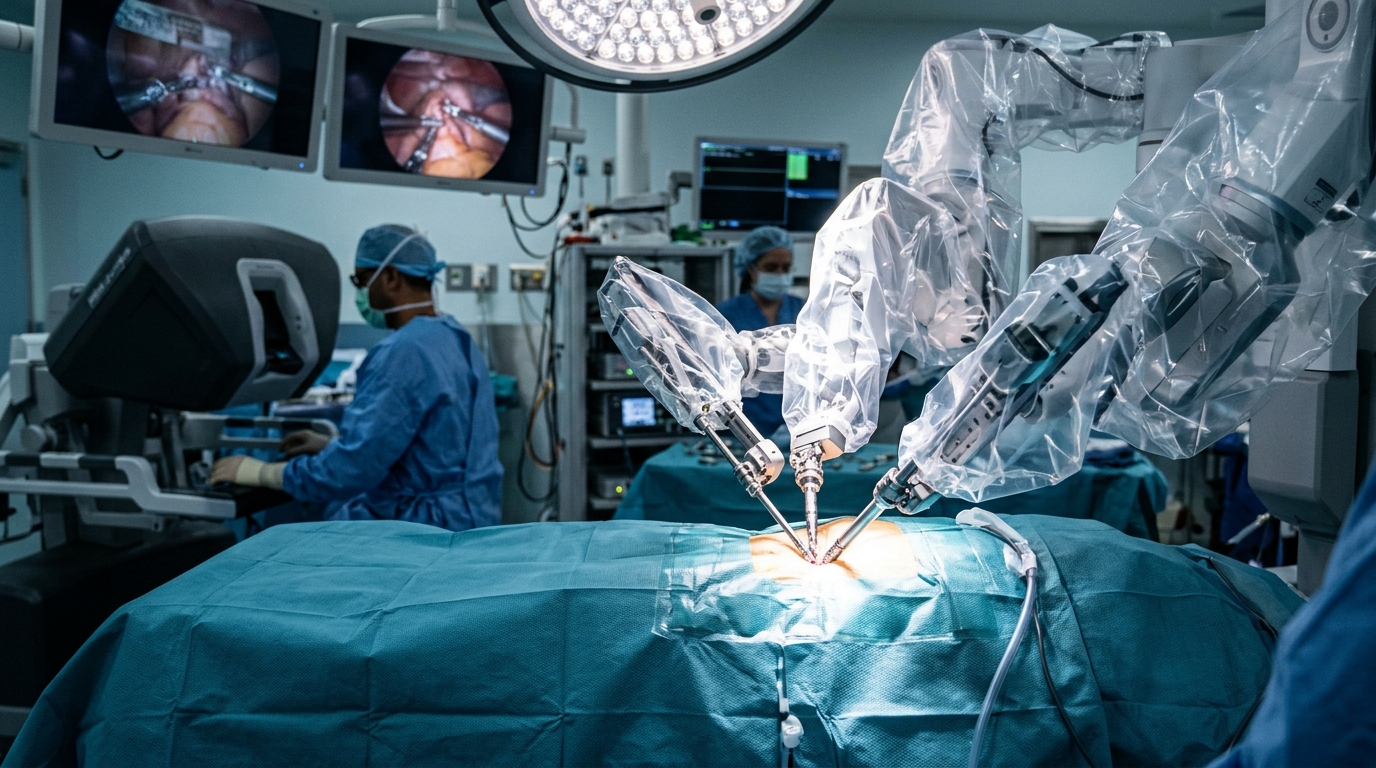
A da Vinci robot-assisted pull-through procedure used to resect secondary megarectum in children experiencing recurrent constipation after anorectal malformation surgery proved feasible and safe, relieving constipation in seven out of eight patients evaluated in a clinical cohort.
Some pediatric patients with anorectal malformations acquire secondary megarectum following anorectoplasty, an outcome that leads to intractable constipation and overflow fecal incontinence. At present, no established medical or surgical treatment standard exists for managing this secondary condition.
Between October 2022 and June 2023, fourteen children with recurrent constipation following anorectal malformation surgery presented to the department, with eight qualifying for inclusion in the clinical analysis based on established criteria. The evaluated cohort comprised five males and three females, consisting of three patients with intermediate-type anorectal malformations and five with low-type malformations. At the time of the robotic resection, patient ages ranged from 30.4 to 50.6 months, with a median age of 38.8 months.
Postoperative evaluations utilizing the 2005 Krickenbeck classification demonstrated that constipation improved in seven of the eight children. Five patients experienced complete symptom resolution from preoperative grade 3, two patients improved from grade 3 to grade 1, and one patient remained at grade 3. In addition, six children presented preoperatively with soiling; following the robot-assisted intervention, soiling improved in five of these patients, while one patient remained unchanged at grade 1.
Histopathological examination of resected tissue revealed thickened nerve plexuses, disordered and thickened muscle fibers exhibiting degeneration, a thickened submucosa in the distal intestinal wall, and increased collagen deposition, without obvious abnormalities in ganglion cell numbers or distribution. The researchers concluded that the robotic procedure enabled precise dissection of abdominal and pelvic anatomy, while emphasizing that larger comparative studies are required to confirm these preliminary findings from a small eight-patient cohort.
The clinical investigation sought to define the characteristics of secondary megarectum in children who had previously undergone anorectoplasty for anorectal malformations, while assessing the feasibility and safety of performing megarectum resection using the da Vinci robot-assisted pull-through approach. In pediatric patients affected by anorectal malformations, the development of secondary megarectum after corrective surgery produces severe functional complications, specifically intractable constipation and overflow fecal incontinence.
The clinical cohort was identified from fourteen children who presented to the surgical department between October 2022 and June 2023 due to recurrent constipation after prior anorectal malformation surgery. Following evaluation against established inclusion criteria, eight patients were enrolled in the analytical cohort. This group consisted of five male and three female children, with three individuals presenting with intermediate-type anorectal malformations and five individuals presenting with low-type malformations. At the time of the robot-assisted surgical resection, the children had a median age of 38.8 months, within a total age range of 30.4 to 50.6 months.
During the pull-through procedure to resect the megarectum, the da Vinci robotic system enabled precise dissection within the abdominal and pelvic anatomy. Systematic evaluation during follow-up demonstrated symptomatic relief across most of the cohort. Based on the 2005 Krickenbeck classification criteria, postoperative constipation improved in seven of the eight patients. Five of these children attained complete symptom resolution from baseline grade 3 constipation, two children improved from grade 3 to grade 1 constipation, and one child remained unchanged at grade 3. Furthermore, among the six patients who exhibited preoperative soiling, five experienced improvement following surgery, whereas one patient showed no change and remained at grade 1.
Pathological analysis of the resected distal intestinal wall provided structural insights into the resected tissue. Microscopic evaluation identified thickened nerve plexuses, degenerative and disordered muscle fibers that were abnormally thickened, a thickened submucosal layer, and elevated collagen deposition. These structural changes occurred without obvious abnormalities in either the count or the distribution of ganglion cells. Given the small cohort of eight patients, the authors emphasized that larger comparative studies remain essential to substantiate these preliminary surgical and functional observations.
Subject of Research: Robot-assisted pull-through surgery for secondary megarectum after anorectal malformation repair
Article Title: Da Vinci robot-assisted pull-through in secondary megarectum resection after anorectal malformation surgery
Article References: Tao, B., Ye, M., Liu, F., Lan, M., Luo, Y., Ye, Z., Zhang, H., Xu, X., & Zeng, J. (2026). Da Vinci robot-assisted pull-through in secondary megarectum resection after anorectal malformation surgery. BMC Pediatrics. https://doi.org/10.1186/s12887-026-07996-9
Image Credits: AI Generated
DOI: 10.1186/s12887-026-07996-9
Keywords: pediatric surgery, anorectal malformations, secondary megarectum, da Vinci surgical system, robot-assisted surgery, pull-through procedure, Krickenbeck classification, postoperative constipation, Vinci, robot-assisted, pull-through, secondary
News Source: Harold Sullivan. (November 7, 2026). Small Study Assesses Robotic Pull-Through for Secondary Megarectum After Anorectoplasty. Scienmag.