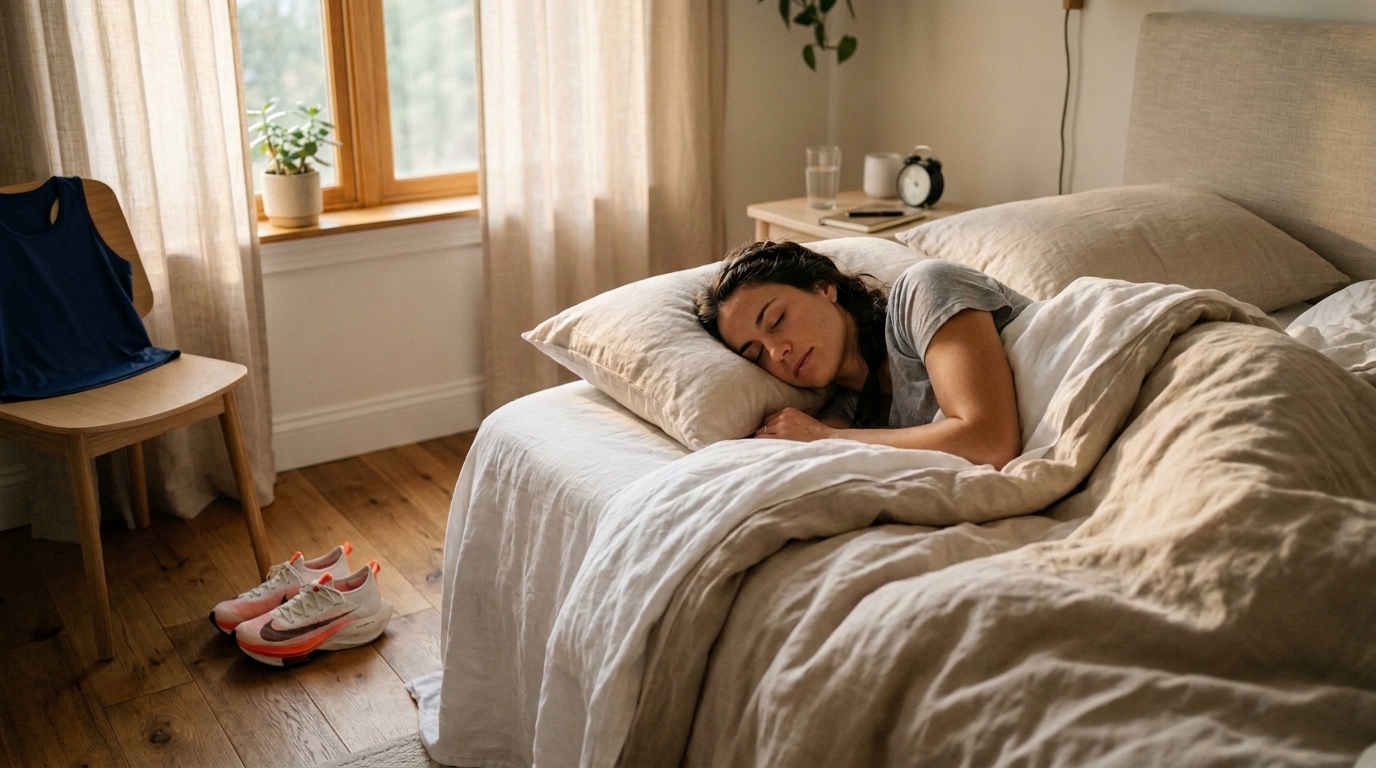
A systematic review of experimental studies has found that extending sleep can measurably improve athletic performance, cognitive function and recovery, while restricting sleep produces the opposite effect. The review, published in BMC Sports Science, Medicine and Rehabilitation, examined intervention studies involving sleep extension, daytime napping and sleep restriction in active and athletic populations, and synthesised the findings in a structured narrative format because of the variability in study designs and outcome measures.
The researchers searched PubMed, Scopus, Web of Science and Google Scholar for eligible studies published between 2011 and 2025. The search yielded 1,586 records, which were screened by removing duplicates and applying exclusion and inclusion criteria. From this process, 15 intervention studies were identified, comprising randomised controlled trials and crossover designs. The review was published as open access research on 3 November 2026, and the article is citable with a permanent DOI.
Sleep extension produced some of the clearest benefits in the review. Athletes who extended their sleep ran a greater distance in the shuttle run, with an average improvement of 9.5 metres. They also showed a lower fatigue index, reduced by 8.1 percent, and faster reaction times, shortened by 43.6 milliseconds. Sprint times improved by 0.7 seconds, and accuracy improved by approximately 9 percent. Endurance performance improved by roughly 3 percent following sleep extension, according to the synthesised results.
In contrast, sleep restriction was associated with adverse performance effects across the reviewed studies. Endurance declined by approximately 3 percent when sleep was restricted, alongside higher reported fatigue and decrements in cognitive performance. The review noted that sleep is important for recovery, cognitive performance and physical performance, and that sleep manipulation has emerged as a potential strategy for enhancing performance in athletes.
Daytime napping showed more mixed results. Longer naps lasting 60 to 90 minutes enhanced maximum voluntary contraction by 74 newtons and improved distance covered by 89 metres. These longer naps also lowered perceived fatigue by 1.9 units and reduced sleepiness by 4.33 units. The effects of brief naps lasting 20 minutes were variable, with some studies showing minor performance deficits, such as an increase of 0.026 seconds in sprint time.
The review concluded that the effects of daytime napping were more context-dependent than the effects of sleep extension or restriction. The apparent benefits of napping varied according to prior sleep status, nap duration and the demands of subsequent performance tasks. This suggests that napping strategies may need to be tailored to individual circumstances rather than applied uniformly across athletic populations.
Overall, the synthesis indicated that sleep extension was generally associated with favourable physical, cognitive and recovery-related outcomes, whereas sleep restriction was consistently linked to worse performance. The authors extracted data from the included studies and synthesised the results in a structured narrative format rather than performing a meta-analysis, reflecting the heterogeneity of the intervention designs and outcome measures used across the 15 studies.
The findings add to a growing body of evidence on sleep manipulation as a performance strategy in sport. Because the review included only randomised controlled trials and crossover intervention studies, the results represent experimental evidence rather than observational associations. The review covered studies published over a 14-year period, from 2011 to 2025, and focused specifically on active and athletic populations rather than the general population.
The structured narrative synthesis allowed the authors to report specific effect sizes for individual outcomes where the underlying studies provided comparable measures. The reported improvements in shuttle run distance, reaction time, sprint time and accuracy following sleep extension, together with the declines in endurance and increases in fatigue following sleep restriction, provide quantified benchmarks for how sleep duration changes relate to performance outcomes in athletes and physically active individuals.
Subject of Research: The effects of sleep extension, napping and sleep restriction on athletic performance, cognitive function and recovery in active populations.
Article Title: Effects of sleep manipulation on athletic performance, cognitive function, and recovery: a systematic review of experimental studies
Article References: Choudhary, P. K., Kara, E., Choudhary, S., Saha, S., Alexe, D. I., & Hasırcı, S. (2026). Effects of sleep manipulation on athletic performance, cognitive function, and recovery: a systematic review of experimental studies. BMC Sports Science, Medicine and Rehabilitation. https://doi.org/10.1186/s13102-026-02218-2
Image Credits: AI Generated
DOI: 10.1186/s13102-026-02218-2
Keywords: sleep extension, sleep restriction, athletic performance, systematic review, daytime napping, cognitive function, recovery, endurance, reaction time, fatigue, Effects, sleep
News Source: Ophelia Keating. (November 8, 2026). Sleep Extension Boosts Athletic Performance While Restriction Undermines It, Review Finds. Scienmag.