


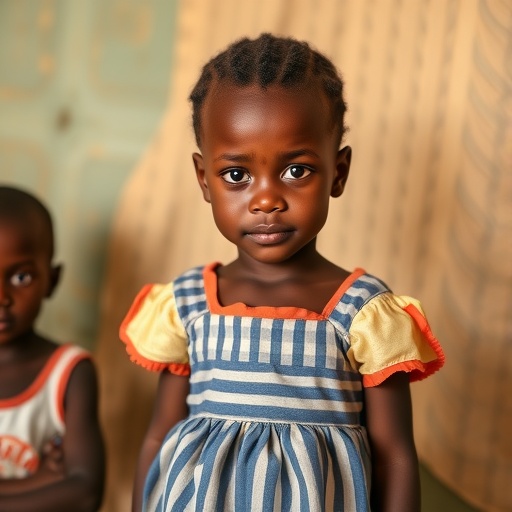
The challenges faced by children with sickle cell disease in regions like Khartoum, Sudan, are profound and multifaceted. Chronic pain crises, anemia, and susceptibility to infections are just a few of the clinical features that define this debilitating condition. In a recent study, researchers Manhal, Eissa, and Elhassan, along with their team, have delved into the intricate relationship between these clinical characteristics and the overall health-related quality of life for afflicted children. Their findings were published in BMC Pediatrics, shedding light on an often-overlooked aspect of pediatric care.
Sickle cell disease is recognized globally as a major public health concern, particularly in Sub-Saharan Africa where the prevalence of the condition is elevated. This genetic blood disorder emerges from a mutation in the hemoglobin gene, leading to the production of abnormal hemoglobin known as hemoglobin S. When oxygen levels drop, these red blood cells transform into a sickle shape, which not only obstructs blood flow but also causes significant pain. As the study reveals, understanding the symptoms of sickle cell disease is paramount to improving health outcomes for children.
The research team conducted extensive fieldwork, gathering data from a considerable sample of pediatric patients diagnosed with sickle cell disease in Khartoum. Importantly, their methodology integrated both qualitative and quantitative assessments, allowing for a comprehensive approach to data analysis. Parents and caregivers were interviewed, and children participated in age-appropriate evaluations to measure their health-related quality of life, shedding light on how sickle cell disease impacts various life domains, including physical, emotional, and social wellbeing.
One of the significant findings of the study was the correlation between the frequency of pain crises and the quality of life scores among the children. Those experiencing more frequent crises reported lower health-related quality of life, indicating that pain management is a crucial component of care in pediatric sickle cell disease. The psychological ramifications of living with a chronic illness, especially one characterized by unpredictable pain episodes, cannot be overstated. The emotional toll faced by these children and their families warrants urgent attention from healthcare providers.
Moreover, the researchers grappled with social determinants of health, which play a pivotal role in the management of sickle cell disease in Sudan. Access to adequate healthcare resources, education, and community support systems emerged as critical factors that influence the health outcomes of affected children. In regions with limited healthcare infrastructure, the burden of managing chronic illnesses falls heavily on families, often leading to financial strain and compromising overall quality of life.
The study also shed light on educational disruptions experienced by children with sickle cell disease. Frequent hospital visits and the debilitating nature of their condition often prevent these children from attending school consistently. The impacts of impaired educational opportunities stretch far beyond academic performance. They can affect social interactions and lead to isolation, further exacerbating mental health issues. Strategies to address these gaps are crucial in improving the lives of children coping with this disease.
Beyond the physical and emotional impacts of sickle cell disease, the researchers highlighted the importance of community awareness and support. Many families lack essential knowledge about sickle cell disease, which perpetuates stigma and misunderstanding within the community. Programs aimed at educating the public can potentially foster a supportive environment that acknowledges the challenges faced by these children. Building networks of support, from peer support groups to educational interventions, can significantly enhance the resilience of families managing sickle cell disease.
The researchers also discussed potential interventions that could improve the quality of life for children with sickle cell disease in Sudan. From regular health check-ups and pain management strategies to mental health services, a multi-faceted approach is required to address the complexities of this condition. These interventions must not only be accessible but also culturally sensitive, ensuring they resonate with the communities they serve, and address specific local needs and challenges.
Another noteworthy aspect of the study was its contribution to the overall understanding of sickle cell disease management. The findings presented in this study can provide a foundation for healthcare policymakers to develop targeted strategies aimed at improving the care landscape for sickle cell disease in regions like Sudan. The integration of clinical findings into public health policy can facilitate the allocation of resources toward effective pain management and healthcare access, ultimately resulting in improved health outcomes.
In addition to the immediate implications for patient care, this research sparks conversations about the role of global health initiatives in tackling genetic disorders like sickle cell disease. Collaborative efforts between local organizations, governments, and international health agencies are crucial for advancing research, improving treatment protocols, and ensuring that healthcare workers are adequately trained to manage these complexities.
Finally, as the study’s authors emphasize, addressing the quality of life in children with sickle cell disease is a collective responsibility. While the medical community plays a pivotal role, the involvement of families, educational institutions, and policymakers is essential in creating a holistic approach to managing this condition. Ultimately, prioritizing the health and wellbeing of children with sickle cell disease can pave the way for a future in which they lead fulfilling lives despite their diagnosis.
This groundbreaking research by Manhal et al. underscores the urgent need for improved health services and community support for children suffering from sickle cell disease. As future studies build upon these findings, there is hope that greater awareness and innovative solutions will emerge to enhance the quality of life for this vulnerable population.
Subject of Research: Clinical features and health-related quality of life in children with sickle cell disease.
Article Title: Clinical features and health-related quality of life in children with sickle cell disease in Khartoum, Sudan.
Article References:
Manhal, G., Eissa, A.Y.H., Elhassan, A.Z.W.M. et al. Clinical features and health-related quality of life in children with sickle cell disease in Khartoum, Sudan.
BMC Pediatr (2025). https://doi.org/10.1186/s12887-025-06402-0
Image Credits: AI Generated
DOI: 10.1186/s12887-025-06402-0
Keywords: Sickle cell disease, health-related quality of life, children, Sudan, pain management, chronic illness, social determinants of health, healthcare access, public health.
Tags: anemia and infections in pediatric sickle cellchronic pain management for sickle cellcommunity awareness of sickle cell diseasegenetic blood disorders in childrenhealth-related quality of life in Sudanhealthcare access for sickle cell diseasehemoglobin mutation and sickle cell diseaseimpact of sickle cell on pediatric careimproving health outcomes for sickle cell patientspediatric research in Sudanpublic health challenges in sub-Saharan Africasickle cell disease in children



