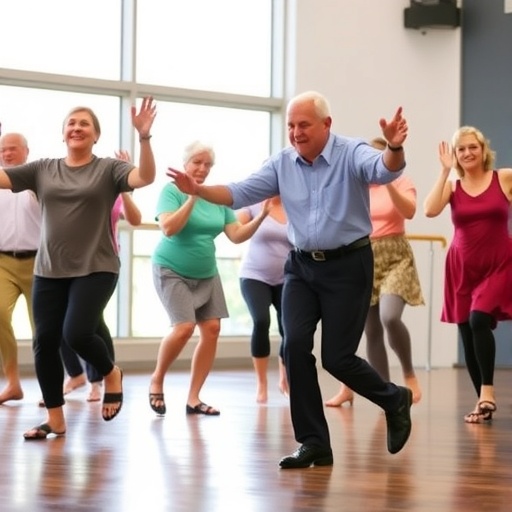
In recent years, the growing population of older adults has necessitated the exploration of innovative methods to enhance their health and well-being. One promising avenue that has emerged is the incorporation of web-based exercise programs into the routines of seniors. A groundbreaking study conducted by Watanabe and colleagues investigates the effects of light-intensity aerobic dance exercise, particularly focusing on how this form of physical activity influences body composition, physical function, and overall physical activity levels among older adults.
The randomized controlled trial included participants aged 65 and older, reflecting a demographic that often faces challenges in maintaining physical health. This particular age group is typically predisposed to a number of health issues, including obesity, reduced muscle mass, and diminished cardiovascular function. The study aimed to ascertain whether engaging in short-duration, web-based dance sessions could provide a practical solution to these problems.
Light-intensity aerobic dance exercise, as the study defines it, is a low-impact form of activity that combines rhythmical movement with engaging music. It has been suggested that such forms of exercise could be particularly beneficial for older adults due to their accessible nature and the opportunity for social interaction, even in a web-based format. Dancing inherently incorporates elements of coordination, flexibility, and balance, which are vital components of healthy aging.
Participants in the study were required to engage in web-based dance sessions multiple times a week. These sessions, conducted in the comfort of their own homes, were designed to last for a short duration, making them easier to fit into the daily lives of older adults. By leveraging technology and creating an engaging exercise environment, the researchers hypothesized that adherence to the program would increase, leading to significant health benefits.
The significance of body composition in older adults cannot be understated. With age, individuals often experience an increase in body fat percentage and a reduction in muscle mass, a condition known as sarcopenia. This transformation can lead to increased risks of chronic diseases such as diabetes, heart disease, and mobility issues. Watanabe and his team found that participants in the dance exercise program demonstrated improvements in body composition, which was characterized by reduced body fat and increased lean muscle mass.
Within the framework of this study, physical function was rigorously assessed. Tools such as gait speed assessments and balance tests were employed to evaluate functional capacity. The results indicated that regular participation in light-intensity aerobic dance positively impacted not only strength and balance but also overall mobility. These improvements are paramount, as greater physical functionality equates to increased independence among older adults, reducing the need for assisted living or nursing care.
In addition to body composition and physical function, the study explored how engaging in dance impacted the overall physical activity levels of participants. Many seniors struggle to maintain a consistent exercise routine, often becoming sedentary as they age. The study revealed that those who participated actively in the web-based dance sessions reported higher overall levels of physical activity in their daily lives, bringing about a more dynamic and engaging lifestyle.
The outcome of the study offers substantial evidence supporting the integration of web-based exercise programs in elderly care. By utilizing digital platforms, caregivers and fitness instructors can reach broader audiences, providing tailored exercise routines that accommodate the unique physical capabilities of older adults. This approach not only fosters physical health but also promotes mental well-being through social engagement and psychological stimulation.
Moreover, the accessibility of these programs fuels a sense of community among participants, which is often lacking in traditional exercise settings. By connecting with others in similar circumstances, older adults can experience increased motivation, accountability, and enjoyment in physical activity. This juxtaposition of community and technology creates a rich ecosystem for health improvement that can be sustained over time.
As societies around the globe face the challenges of an aging population, studies like the one conducted by Watanabe et al. illuminate potential paths toward healthier, more active lives for older adults. Implementing strategies based on research findings allows us to evolve our approach to senior health care, making sure that democracy of access to health-promoting activities is a priority. Health care systems, community organizations, and fitness experts are encouraged to consider how technology can be wielded not just as a tool, but as a catalyst for change.
Future research directions stemming from this study may delve into the long-term sustainability of such programs and their potential to engage isolated seniors who may otherwise not partake in physical activities. Additionally, understanding the impact of various dance styles on health outcomes could broaden the appeal and effectiveness of web-based exercise platforms.
The findings from this research suggest that the health benefits of engaging in regular, web-based dance exercise extend beyond mere physical attributes, promoting holistic health that encompasses mental, emotional, and social well-being. This calls for a concerted effort to champion such initiatives within health care planning and community engagement strategies aimed at older populations.
In a world where technology continues to revolutionize various aspects of our lives, harnessing its potential to engage older adults in physical activity through enjoyable means could augment public health initiatives. This pivotal study serves as a call to action for integrating innovative practices into the frameworks that support our aging population. The exploration of web-based, light-intensity aerobic dance exercise sets the stage for a transformative reduction in sedentary behavior among older adults, ultimately contributing to a healthier, more engaged society.
Subject of Research: Effects of web-based light-intensity aerobic dance exercise on older adults
Article Title: Effects of frequent, short-duration web-based light-intensity aerobic dance exercise on body composition, physical function, and physical activity in older adults: a randomized controlled trial.
Article References:
Watanabe, Y., Hyodo, K., Yamaguchi, D. et al. Effects of frequent, short-duration web-based light-intensity aerobic dance exercise on body composition, physical function, and physical activity in older adults: a randomized controlled trial.
BMC Geriatr 25, 831 (2025). https://doi.org/10.1186/s12877-025-06495-3
Image Credits: AI Generated
DOI: https://doi.org/10.1186/s12877-025-06495-3
Keywords: Older Adults, Web-Based Exercise, Light-Intensity Aerobic Dance, Health Benefits, Body Composition, Physical Function, Physical Activity.
Tags: body composition and agingcardiovascular health and danceenhancing physical function in older adultshealth improvement in older adultsinnovative health solutions for seniorslight-intensity aerobic dance benefitslow-impact exercise for seniorsobesity prevention in older adultsphysical activity for elderly populationsrandomized controlled trials in gerontologysocial interaction through online danceweb-based exercise programs for seniors