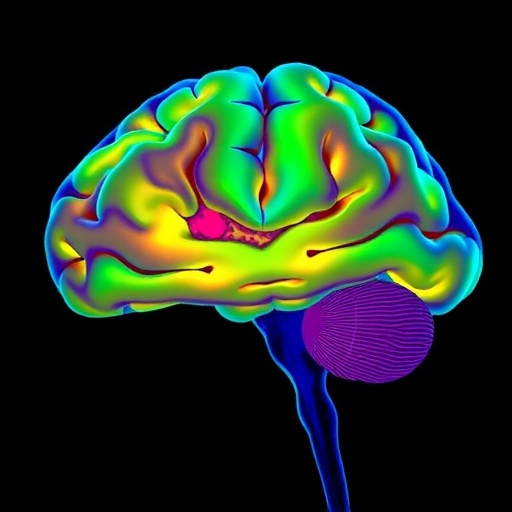
The ongoing investigation into the therapeutic effects of cannabinoids, particularly tetrahydrocannabinol (THC), has reached new heights with recent studies suggesting potential neuroprotective benefits. THC, the primary psychoactive compound found in cannabis, appears to wield a multifaceted influence on neuroinflammation and cognitive processes, especially concerning sex differences. A groundbreaking study by Nitzan et al., published in 2026 in the journal Biological Sex Differences, examines these effects in the context of ultra-low-dose THC treatment on neuroinflammation and cognitive decline in a mouse model of Alzheimer’s disease, specifically the 5xFAD mice. This study sheds light on the complex interplay between cannabinoids and neurodegenerative pathways, ultimately contributing to our understanding of how therapeutic interventions might be tailored based on sex.
Neurological health is a critical facet of human well-being, particularly as age-related cognitive decline becomes increasingly prevalent. Alzheimer’s disease is among the most notorious of these conditions, characterized by progressive cognitive impairment and debilitating neuroinflammation. The interplay of genetics, environmental factors, and potentially modifiable lifestyle components, like dietary choices and substance use, creates a complex web that researchers are eager to unravel. The quest for effective preventive or therapeutic strategies has led to the exploration of cannabinoid compounds and their effects on the brain, paving the way for innovative approaches to mitigate cognitive decline.
Central to this discussion is the emerging concept of sex-dependent responses to cannabinoid treatments. Previous research has suggested that male and female brains may respond differently to various therapeutic agents, including cannabinoids, due to inherent physiological and hormonal differences. This study is particularly significant in exploring those differences further. Nitzan and colleagues have focused on how ultra-low doses of THC can modulate neuroinflammation in a mouse model that closely mirrors the genetic predispositions of human patients with Alzheimer’s disease.
The 5xFAD mouse model used in this study is a transgenic mouse that exhibits rapid and severe amyloid plaque accumulation, mimicking the brain pathology observed in Alzheimer’s patients. By administering ultra-low doses of THC, the researchers aimed to assess whether this cannabinoid could counteract the neuroinflammatory processes associated with such pathology. Neuroinflammation is believed to play a pivotal role in the progression of Alzheimer’s disease, making it an essential target for therapeutic interventions. The exploration of THC’s effects on this aspect of neurobiology sets the stage for illuminating potential treatment pathways that could ultimately aid in reducing cognitive decline.
In addition to examining neuroinflammation, this study closely investigates the broader implications of THC treatment on cognitive performance. Cognitive decline is not merely a linear deterioration but instead involves a myriad of complex interactions linked to neurobiology and behavioral responses. Understanding how THC interacts with neuroinflammatory markers may offer critical insights into how it influences cognitive functions, such as memory, attention, and spatial navigation, which are often disrupted in individuals with Alzheimer’s disease.
The findings from Nitzan et al. indicate that the administration of ultra-low-dose THC not only modulated neuroinflammation but also had notable effects on cognitive performance in both male and female mice. This underscores the importance of addressing sex as a biological variable in preclinical research, particularly in studies assessing potential therapeutic agents for cognitive disorders. The current study moves beyond a one-size-fits-all approach, indicating that sex-specific responses should be taken into consideration when designing treatment regimens involving cannabinoids.
Cannabinoids, including THC, interact with the endocannabinoid system, a complex network of receptors found throughout the brain and body. This system plays a significant role in regulating various physiological processes, including mood, memory, and pain perception. The unique properties of THC, such as its ability to modulate neurotransmitter release and influence neuroinflammatory responses, may partly explain the observed sex-dependent effects. Researchers speculate that the varying expression levels of cannabinoid receptors (CB1 and CB2) in male and female brains could account for the differential responses observed in cognitive performance following THC treatment.
Moreover, the emphasis on ultra-low doses of THC is critical. High dosages often lead to psychoactive effects that could confound the assessment of cognitive capabilities. The study suggests that therapeutic benefits may be harnessed without the adverse effects commonly associated with higher concentrations of THC. This finding opens up exciting possibilities for developing THC-based treatments that can enhance the quality of life for individuals at risk of or currently experiencing cognitive decline.
Emerging from this research are broader implications regarding the therapeutic potential of cannabinoids in neurodegenerative diseases. As scientists continue to dissect the biological underpinnings of diseases like Alzheimer’s, understanding the pharmacodynamics of compounds like THC will remain a pressing focus of investigation. The promise shown by ultra-low-dose THC suggests that it could serve as a viable adjunct therapy, particularly if personalized treatments are developed that account for an individual’s sex and specific pathophysiological condition.
Anticipation builds as researchers consider the implications of these findings on human health. The translation from animal models to human clinical trials requires careful navigation to establish safety profiles, optimal dosages, and treatment protocols that specifically address sex differences. As public interest in cannabis and its derivatives grows, so too does the responsibility of the scientific community to provide evidence-based recommendations.
In summary, the investigatory journey undertaken by Nitzan et al. into the impacts of ultra-low-dose THC on neuroinflammation and cognitive decline presents a compelling narrative at the intersection of cannabinoid research and neurodegenerative disease. By highlighting sex-dependent effects, the study not only contributes to our understanding of THC’s therapeutic potential but also emphasizes the importance of considering biological variability in treatment approaches. As this area of research continues to evolve, the implications of these findings could herald a new era of personalized medicine aimed at combating cognitive decline in our aging population.
The exploration of cannabinoids like THC in neurodegenerative disorders undoubtedly opens new doors for therapeutic development. As our understanding deepens, so too does the hope for effective interventions that can change the trajectory of diseases like Alzheimer’s. With continued investigation and refinement, the potential to harness the power of cannabinoids in promoting brain health could transform approaches to treating cognitive impairment and improving the lives of countless individuals.
Subject of Research: The effects of ultra-low-dose THC treatment on neuroinflammation and cognitive decline in a mouse model of Alzheimer’s disease.
Article Title: Sex-dependent effects of ultra-low-dose-THC preventive treatment on neuroinflammation and cognitive decline in 5xFAD mice.
Article References:
Nitzan, K., Bentulila, Z., Bregman-Yemini, N. et al. Sex-dependent effects of ultra-low-dose-THC preventive treatment on neuroinflammation and cognitive decline in 5xFAD mice.
Biol Sex Differ (2026). https://doi.org/10.1186/s13293-025-00815-3
Image Credits: AI Generated
DOI:
Keywords: Cannabinoids, THC, neuroinflammation, cognitive decline, Alzheimer’s disease, sex differences, 5xFAD mice.
Tags: 5xFAD mouse model researchAlzheimer’s disease and cannabinoidscannabinoids in Alzheimer’s diseasecannabis compounds and brain healthdietary choices and cognitive healthneuroinflammation and sex differencesneuroprotective benefits of THCsex-specific neuroprotective strategiesTHC and cognitive declinetherapeutic cannabinoids for aging populationstherapeutic interventions for neurodegenerationUltra-low-dose THC effects