A forty-two-year-old male critically ill with severe clonorchiasis accompanied by shock and jaundice made a full recovery following intensive resuscitation and emergency endoscopic intervention, according to a clinical case study published in BMC Gastroenterology. The patient had been admitted to the intensive care unit after standard community medical interventions failed to control his rapidly deteriorating condition.
Clonorchiasis is a foodborne parasitic infection caused by the liver fluke Clonorchis sinensis and ranks among the most common zoonoses globally. Although the overall infection rate has experienced a nationwide decrease across China, the country still maintains the highest number of Clonorchis sinensis infections in the world, with certain geographic areas continuing to exhibit a highly endemic pattern. The authors noted that this case highlights the pressing need for clinicians to heighten clinical suspicion and improve management protocols regarding severe, atypical presentations of the disease.
Prior to intensive care admission, the patient experienced dark urine accompanied by yellow discoloration of the skin and sclera lasting for one week, alongside abdominal pain that had persisted for two days. Initial anti-infective therapy administered at a local medical facility provided no clinical improvement. Instead, the patient’s condition deteriorated rapidly into circulatory collapse, prompting an emergency transfer under preliminary diagnoses of sepsis, septic shock, and jaundice of unknown origin.
Upon physical examination at the intensive care unit, clinicians noted generalized jaundice affecting both the skin and sclera. In addition, extensive subcutaneous ecchymoses had developed across the patient’s neck, chest, and right upper arm. An abdominal evaluation demonstrated focal tenderness in the left upper quadrant without evidence of rebound tenderness, while all other physical diagnostic signs remained negative.
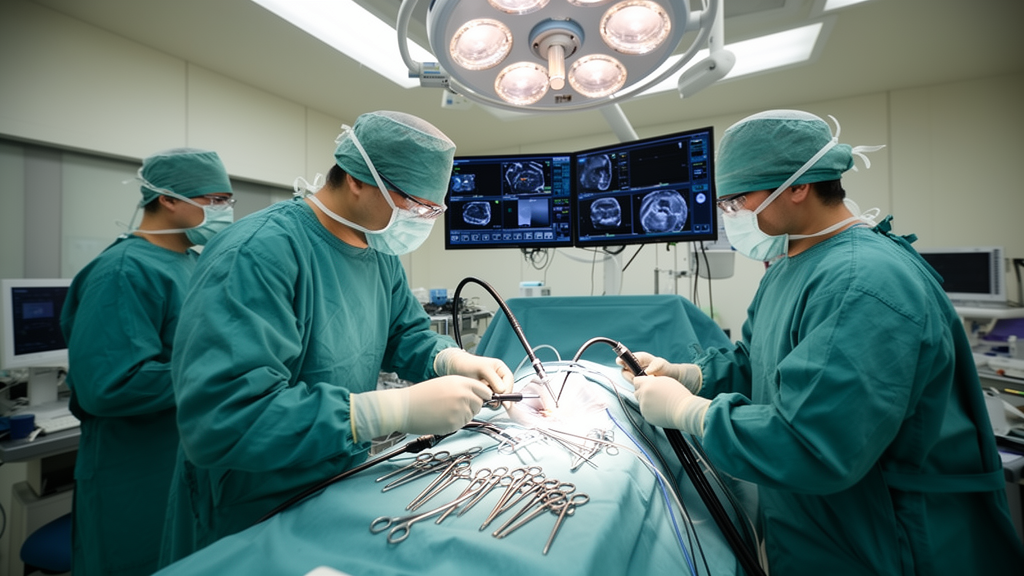
To identify and resolve the underlying source of infection, medical teams carried out bedside endoscopic retrograde cholangiopancreatography, which revealed live Clonorchis sinensis organisms under direct endoscopic visualization. Therapeutic management was initiated concurrently with fluid resuscitation and vasopressor infusions to stabilize systemic perfusion during shock, while the bedside endoscopic procedure established nasobiliary drainage to physically extract the parasites and alleviate critical biliary obstruction.
Following targeted parasite clearance, biliary decompression, and supportive care, the patient recovered successfully and was discharged from the hospital. In their concluding analysis, the authors emphasized that severe clonorchiasis cholangitis can present atypically with shock, abdominal pain, jaundice, and asymptomatic fever. They concluded that obtaining a detailed dietary history is critical for preventing diagnostic delays, while endoscopic retrograde cholangiopancreatography and aggressive multi-organ support remain vital for improving clinical prognoses.
The diagnostic trajectory in this case underscores why collecting a detailed dietary history can effectively avoid the misdiagnosis of clonorchiasis. Prior to intensive care admission, the patient presented primarily with dark urine and jaundice that showed no improvement after anti-infective treatment at a local hospital, leading to rapid progression to shock. Because severe clonorchiasis cholangitis may manifest with an atypical constellation of symptoms including shock, abdominal pain, jaundice, and asymptomatic fever, the condition was initially transferred under diagnoses of sepsis, septic shock, and jaundice of unknown origin. The authors emphasize the importance of increasing clinicians’ awareness and enhancing their management skills concerning these atypical and severe presentations.
From an intervention standpoint, endoscopic retrograde cholangiopancreatography plays a crucial role in both the diagnosis and therapy of this disease. In this patient, bedside endoscopic retrograde cholangiopancreatography revealed live Clonorchis sinensis under direct visualization, establishing the definitive parasitic cause. Simultaneously, performing bedside endoscopic retrograde cholangiopancreatography with nasobiliary drainage served a vital therapeutic purpose to remove Clonorchis sinensis and relieve biliary obstruction. This targeted endoscopic intervention was conducted alongside fluid resuscitation and vasopressors for shock management, directly addressing both the obstruction and systemic shock.
The clinical course also demonstrates the critical impact of aggressive shock resuscitation and multi-organ support therapy on patient outcomes. Upon intensive care unit admission, physical examination revealed generalized jaundice of the skin and sclera, extensive subcutaneous ecchymoses on the neck, chest, and right upper arm, and tenderness in the left upper quadrant without rebound tenderness. Managing this severe presentation required prompt fluid resuscitation and vasopressors. The authors conclude that aggressive resuscitation from shock and multi-organ support therapy can significantly improve patient prognosis, which enabled the patient to recover and achieve discharge from the hospital.
These observations are contextualized by the broader epidemiology of Clonorchis sinensis infection as a foodborne parasitic disease and one of the most common zoonoses globally. Although the infection rate has decreased nationwide across China, certain areas still exhibit a highly endemic trend, and China currently remains the country with the highest number of Clonorchis sinensis infections in the world. Reporting this case study of clonorchiasis manifesting with shock and jaundice in an intensive care unit patient highlights the ongoing need for clinicians to maintain diagnostic vigilance regarding foodborne zoonoses in endemic regions.
Subject of Research: Clinical manifestation and endoscopic management of severe clonorchiasis presenting with shock and jaundice
Article Title: Clonorchiasis presenting with shock and jaundice: a case report
Article References: Hu, K., Fang, J., Pang, G., Qin, Z., & Xiang, S. (2026). Clonorchiasis presenting with shock and jaundice: a case report. BMC Gastroenterology. https://doi.org/10.1186/s12876-026-05425-w
Image Credits: AI Generated
DOI: 10.1186/s12876-026-05425-w
Keywords: clonorchiasis, Clonorchis sinensis, septic shock, obstructive jaundice, endoscopic retrograde cholangiopancreatography, nasobiliary drainage, intensive care unit, biliary obstruction, foodborne zoonoses, parasitic cholangitis, fluid resuscitation, vasopressors, subcutaneous ecchymosis, parasitic infection, gastroenterology, dietary history, multi-organ support
News Source: Ophelia Keating. (November 11, 2026). Severe Clonorchiasis Presenting with Shock and Jaundice Resolves After Endoscopic Intervention. Scienmag.