


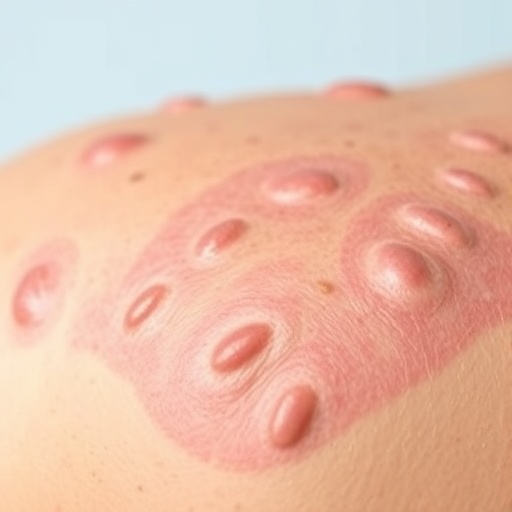
A groundbreaking study, recently published in the prestigious journal Archives of Dermatological Research, shines light on the relationship between serum glycoprotein 96 and psoriasis, potentially ushering in a new era in the diagnosis and management of this chronic skin condition. The research conducted by Ömer Kaya, Mehmet H. Şehitoğlu, and Selim I. Mermutlu explores the viability of serum glycoprotein 96, a known paralog of heat shock protein 90, as a biomarker. This revelation has significant implications for the millions suffering from psoriasis, a condition that not only affects the skin but also has far-reaching health ramifications, including increased risk of cardiovascular diseases.
Psoriasis is notoriously complex and has long puzzled medical researchers and practitioners alike. It manifests as red, scaly patches on the skin, but beneath this visible symptom lies an intricate web of immune responses and genetic predisposition. Approximately 2-3% of the global population grapples with this autoimmune condition, underscoring the need for reliable biomarkers that can aid early detection, assessment, and treatment efficacy monitoring. The groundbreaking study reveals how targeting glycoprotein 96 could unveil new diagnostic pathways.
The study’s findings articulate that serum glycoprotein 96 levels are significantly elevated in patients suffering from psoriasis when compared to healthy controls. This correlation suggests that glycoprotein 96 may play a pivotal role in the pathogenesis of psoriasis, functioning as a potential sentinel for monitoring disease progression. The researchers meticulously documented their findings, using a comprehensive case-control design that included a substantial cohort, ensuring the robustness of their results. This methodological rigor adds credence to their claims, making a compelling case for further exploration in future trials.
A noteworthy feature of this research is its dual focus on understanding both the biochemical and immunological roles of glycoprotein 96. It intricately details the protein’s function as a chaperone in the body, emphasizing how its misfolding or dysregulation may trigger inflammatory processes leading to the hallmark symptoms of psoriasis. The study does not merely scratch the surface; it delves into cellular mechanisms, elucidating how glycoprotein 96 engages with other proteins and immune cells to perpetuate inflammation and skin lesions in psoriasis patients.
In addition to its implications for diagnosis, the study also hints at therapeutic avenues that could be explored through modulating the activity of glycoprotein 96. If further research substantiates these findings, it might pave the way for novel treatments aimed at correcting the aberrant expression of this glycoprotein, potentially neutralizing the overactive immune responses that characterize psoriasis. The implications for drug development are vast, creating a sense of hope for those who utilize current therapies that may not adequately manage their condition.
Moreover, the research provides a solid foundation for examining the environmental factors that could influence glycoprotein 96 levels in patients. Stress, diet, and exposure to toxins have all been implicated in the exacerbation of psoriasis symptoms. By correlating these lifestyle elements with serum glycoprotein 96 levels, future studies could enhance our understanding of how to tailor lifestyle modifications alongside medical interventions for patients.
The researchers urge the scientific community to prioritize glycoprotein 96 in studies pertaining to psoriasis and other inflammatory diseases. There is a distinct opportunity for interdisciplinary collaboration between immunologists, dermatologists, and biochemists, fostering an environment ripe for discovery. The potential for glycoprotein 96 to serve as a biomarker could extend beyond psoriasis; it may hold relevance in diseases with similar inflammatory profiles, broadening the scope of this research.
The study has not gone unnoticed in the dermatological community; early responses indicate a surge of interest from both research and clinical perspectives. Dermatologists keen on enhancing the quality of care for their patients are particularly interested in this novel biomarker’s potential to improve diagnosis accuracy. By offering a more objective measure of disease activity, the clinical management of psoriasis may evolve significantly, leading to personalized treatment plans tailored to the patient’s unique biomarker profile.
Patient advocacy groups are also optimistic about the implications of this research. An elevation in understanding of psoriasis at the biomarker level may empower patients and caregivers, allowing for more informed discussions regarding treatment pathways. As the healthcare landscape shifts toward precision medicine, findings such as these are crucial in ushering more targeted interventions that can augment the quality of life for individuals battling this chronic condition.
The publication is poised to generate further discussions in the realm of dermatology, particularly at upcoming medical conferences. Key opinion leaders will undoubtedly review and present this study, galvanizing interest around serum glycoprotein 96. Researchers may be inspired to undertake follow-up studies, investigating its role not just in psoriasis but also in other skin disorders characterized by inflammation.
As the inflammation cascades in psoriasis are elucidated, the research highlights an important aspect of chronic diseases—the need for continuous biomarker discovery and validation. Glycoprotein 96’s emergence could be merely the tip of the iceberg; it serves as a mere entry point into the extensive exploration of serum markers that represent various pathophysiological processes underlying autoimmune conditions. Future research could lead to a much richer biomarker milieu, empowering clinicians with a refined arsenal to combat psoriasis.
In closing, the study underscores the significant urgency of unveiling biomarkers that offer both diagnostic and therapeutic insight into psoriasis. While the findings from Kaya et al. represent a monumental stride in understanding this multifaceted condition, the medical community must capitalize on their promise. Researchers are called to action, promoting the role of glycoprotein 96 and similar candidates in developing the next generation of personalized medicine tailored for psoriasis patients.
This study not only holds promise for better patient outcomes but also ignites a movement towards innovative research in dermatological science. We stand at a pivotal juncture where meticulous science may transform the landscape of psoriasis treatment, offering tangible hope to those who navigate its complexities—a reminder of the power of dedication and innovation in the relentless pursuit of health advancement.
Subject of Research: Serum Glycoprotein 96 as a Biomarker in Psoriasis
Article Title: Serum glycoprotein 96, a heat shock protein 90 paralog, as a potential biomarker in psoriasis: a prospective case-control study.
Article References: Kaya, Ö., Şehİtoğlu, M.H., Mermutlu, S.I. et al. Serum glycoprotein 96, a heat shock protein 90 paralog, as a potential biomarker in psoriasis: a prospective case-control study. Arch Dermatol Res 318, 35 (2026). https://doi.org/10.1007/s00403-025-04492-5
Image Credits: AI Generated
DOI: 10.1007/s00403-025-04492-5
Keywords: psoriasis, serum glycoprotein 96, biomarkers, chronic inflammatory diseases, autoimmune conditions.
Tags: assessment of psoriasis severityautoimmune disease biomarkerscardiovascular disease risk in psoriasischronic skin condition diagnosisearly detection of psoriasisgenetic predisposition to psoriasisheat shock protein 90 paralogimmune response in psoriasismanagement of psoriasis symptomspsoriasis biomarker researchpsoriasis treatment implicationsserum glycoprotein 96



