In an era characterized by an unprecedented focus on aging populations, recent research sheds light on a vital aspect of geriatric health: the assessment of renal function. An investigation conducted by Mei et al. has unveiled a compelling association between the serum creatinine-to-cystatin C ratio and the incidence of hip fractures among community-dwelling older adults. This prospective cohort study, which leverages the extensive data from the China Health and Retirement Longitudinal Study (CHARLS), aims to illuminate the intricate connections between kidney function and skeletal health.
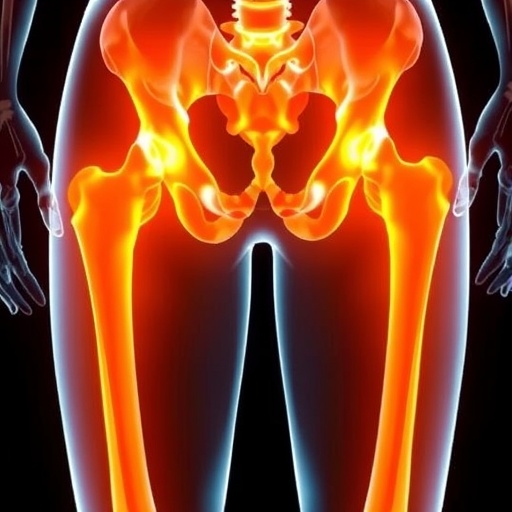
Hip fractures pose a significant public health concern, particularly among the elderly, where falls and associated injuries can lead to severe morbidity and mortality. With the aging global population, understanding the risk factors for such fractures has never been more critical. The findings from this study may have far-reaching implications in the development of preventive strategies aimed at safeguarding the health of older adults.
Traditionally, renal function has been evaluated through standard markers such as serum creatinine levels. However, the limitations associated with this measure, particularly in older adults, have prompted researchers to explore alternative biomarkers. Cystatin C, a relatively new indicator of kidney function, presents a promising alternative. The study emphasizes the significance of the serum creatinine-to-cystatin C ratio, suggesting that it may serve as a more comprehensive reflection of kidney health.
In their methodology, Mei and colleagues utilized data collected from CHARLS, which encompasses a diverse sample of older adults from various socioeconomic backgrounds. Participants underwent thorough health assessments, providing an array of data points crucial for the study. This large-scale cohort enables researchers to draw meaningful conclusions regarding the broader implications of renal function on overall health and fracture risk.
The study’s findings indicate that a lower serum creatinine-to-cystatin C ratio is linked with a higher likelihood of experiencing hip fractures. This correlation suggests that individuals with compromised renal function may have a heightened vulnerability to falls and subsequent fractures. By identifying these high-risk individuals, healthcare providers can implement targeted interventions to prevent such adverse outcomes.
The implications of this study extend beyond mere academic interest. With demographic projections indicating a rapidly aging population, the ability to predict and prevent hip fractures could substantially reduce healthcare costs associated with managing these injuries. Moreover, emphasizing the importance of kidney health in older adults may lead to more comprehensive health screenings, potentially improving quality of life for countless individuals.
Another noteworthy aspect of the research is its focus on community-dwelling older adults, as opposed to those residing in care facilities. This distinction is critical, as it underscores the real-world applicability of the findings. Many older adults live independently, and understanding the factors that contribute to their health outcomes is essential for informing public health strategies and individual care plans.
The researchers acknowledge several limitations within their study, including the observational nature of the research and the potential for confounding factors. Despite these challenges, the association between the serum creatinine-to-cystatin C ratio and hip fracture incidence remains a significant contribution to the field. Future research could delve deeper into the mechanisms underlying this relationship, possibly uncovering new avenues for intervention.
In conclusion, the investigation led by Mei et al. represents a pivotal step forward in our understanding of the intersection between renal function and skeletal health. As the elderly population continues to grow, studies like this can provide essential insights that shape healthcare practices and policies. The findings not only highlight the crucial role of kidney health in preventing hip fractures but also prompt a broader discussion about the importance of comprehensive geriatric assessments.
Healthcare practitioners and policymakers alike should take note of these findings. By integrating these insights into clinical practice, they could initiate preventive measures that address not only fracture risks but also broader aspects of geriatric care. Ultimately, the ongoing exploration of these relationships holds the potential to enhance the quality of life for older adults across the globe, ensuring that aging does not equate to a decline in health and mobility.
In a society that often overlooks the needs of older adults, research such as this serves as a reminder of the intricate web of factors influencing geriatric health. As we strive for a future where older individuals can live independently and healthily, understanding and addressing these risks becomes paramount. With continued research and awareness, the healthcare community can forge a path toward a safer, healthier aging experience for all.
Strong collaborative efforts among researchers, clinicians, and policymakers can drive the momentum needed to implement changes based on such findings. By prioritizing renal health as a critical component of geriatric care, we stand to not only improve individual outcomes but also foster a healthier aging population overall. These essential discussions must continue to bridge the gap between research and practice, ensuring that the insights gleaned from studies like that of Mei et al. are translated into actionable strategies that benefit older adults everywhere.
As we look toward the future, the integration of cutting-edge research with clinical practice will play a crucial role in enriching the lives of older adults. The potential for a holistic approach that embraces the complexities of aging and health cannot be underestimated. Ultimately, the work of these researchers, along with their continued exploration of the intersections of various health metrics, will lay the groundwork for a healthier, more resilient elderly population in years to come.
Subject of Research: Association of serum creatinine-to-cystatin C ratio with incident hip fracture in community-dwelling older adults.
Article Title: Association of serum creatinine-to-cystatin C ratio with incident hip fracture in community-dwelling older adults: a prospective cohort study from the China Health and Retirement Longitudinal Study (CHARLS).
Article References:
Mei, C., Zhang, Z., Min, J. et al. Association of serum creatinine-to-cystatin C ratio with incident hip fracture in community-dwelling older adults: a prospective cohort study from the China Health and Retirement Longitudinal Study (CHARLS).
BMC Geriatr (2026). https://doi.org/10.1186/s12877-026-07114-5
Image Credits: AI Generated
DOI: 10.1186/s12877-026-07114-5
Keywords: serum creatinine, cystatin C, hip fracture, elderly health, renal function, geriatric care, community health, China Health and Retirement Longitudinal Study.
Tags: aging population health risksbiomarkers for renal functionChina Health and Retirement Longitudinal Studycommunity-dwelling older adultsfalls and injuries in older individualship fractures in elderlykidney function and skeletal healthmorbidity and mortality in agingpreventive strategies for elderly healthrenal function assessment in older adultsrisk factors for hip fracturesserum creatinine-cystatin C ratio