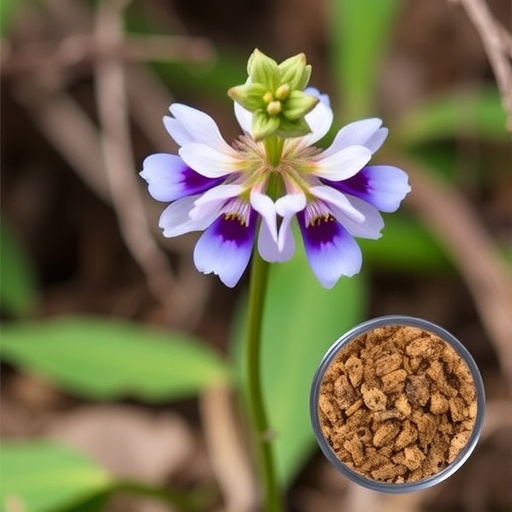
Recent research has unearthed significant findings in the field of oncology, particularly pertaining to ovarian cancer, a leading cause of cancer-related mortality among women globally. This research has identified the critical role of alkaloids derived from the plant Scutellaria Barbata D. Don in triggering apoptosis—the process of programmed cell death—and inhibiting the migration of ovarian cancer cells. This offers promising implications for developing effective therapeutic strategies against this aggressive malignancy.
The alkaloids in question operate through a complex biochemical pathway, specifically modulating the interplay between the p38 and p53 proteins. The p38 protein, part of the mitogen-activated protein kinase (MAPK) family, is known for its role in regulating cellular responses to stress and inflammation. The p53 protein, often dubbed the “guardian of the genome,” safeguards cellular integrity by regulating the cell cycle and promoting apoptosis in response to DNA damage. Both of these proteins are crucial players in cancer biology, and their manipulation presents a novel approach to cancer treatment.
In detail, the study conducted by Gao, B., Sui, X., and Choe, H., alongside their colleagues, meticulously explored how these alkaloids induce apoptosis in ovarian cancer cell lines. Utilizing a series of in vitro experiments, the researchers noticed a pronounced increase in apoptotic markers, indicating that the alkaloids successfully trigger cancer cell death. This finding underscores the potential of natural compounds derived from plants to act as powerful anti-cancer agents.
Moreover, the inhibition of cell migration is a pivotal aspect of cancer treatment, as migration facilitates metastasis, leading to cancer spreading to other body parts. The alkaloids from Scutellaria Barbata showed promising results by significantly reducing the migratory capabilities of the ovarian cancer cells in the studied models. The implications of this are profound, as limiting migration may substantially improve patient prognosis and survival rates.
What sets this study apart is its focus on the p38-p53 signaling pathway, an area that has garnered increasing attention in recent oncology research. By demonstrating that alkaloids can enhance p53 activity through the p38 pathway, the researchers have opened the door for deeper investigations into targeted therapies that leverage this mechanism. The ability to carefully modulate these pathways could lead to the creation of drugs that are both effective and have fewer side effects compared to conventional chemotherapeutic agents.
The exploration of natural compounds like those from Scutellaria Barbata is not merely a curiosity; it represents a vital shift in cancer research. Scientists are increasingly recognizing the therapeutic potential of botanical alkaloids, which have evolved over millennia to possess unique bioactive properties. The study serves as a testament to the possibilities that lie within nature, highlighting the need for continued research in this area.
As the implications of these findings are further analyzed, questions arise about the optimal administration of the alkaloids in clinical settings. Could they be used in conjunction with existing therapies, or might they serve as standalone treatments? The pharmacokinetics and bioavailability of these alkaloids will also be central to future research. Understanding how these compounds are metabolized in the human body will be essential for evaluating their therapeutic effectiveness and safety profiles.
Additionally, the study invites an exploration of how these findings can be translated into clinical practice. The prospect of clinical trials examining the efficacy of alkaloid-based therapies in human subjects could provide invaluable insights into their potential as treatment options for ovarian cancer and other malignancies. Collaboration between researchers, clinicians, and pharmaceutical companies will be paramount in translating laboratory success into real-world therapeutic outcomes.
This research reinforces the notion that innovation in cancer treatment does not solely reside within synthetic compounds. A broader understanding of biological systems and the integration of traditional medicine with modern scientific approaches could pave the way for novel therapies. As we delve deeper into the mechanisms of cancer biology, studies such as this highlight the synergy that can arise from interdisciplinary research.
In summary, the study by Gao and colleagues signifies an exciting advancement in our understanding of ovarian cancer treatment, showcasing the potential of Scutellaria Barbata-derived alkaloids. By triggering apoptosis and restricting cell migration through pivotal signaling pathways, these compounds may offer a beacon of hope for those affected by this formidable disease. The ongoing exploration of these natural products holds promise for innovative therapies that could revolutionize how we approach cancer treatment in the future.
As research progresses, the community remains hopeful that the insights gained from this study can lead to tangible health benefits for patients. The focus now shifts to the next steps in research and clinical application, ensuring that the promise of natural compounds does not remain theoretical but transforms into practical, life-saving interventions. Ongoing studies and trials will be essential in determining how these compounds can be effectively utilized in the fight against ovarian cancer—a fight that continues to challenge researchers and clinicians alike.
In conclusion, the findings from Gao, Sui, Choe, and their team represent a significant leap forward in oncology research. The connection between traditional herbal medicine and modern molecular biology exemplifies the potential for innovation in cancer therapies. As we witness an ongoing evolution in the understanding of cancer mechanisms and treatments, the future looks promising for patients facing ovarian cancer and other related malignancies.
Subject of Research: Alkaloids from Scutellaria Barbata and their effects on ovarian cancer.
Article Title: Alkaloids isolated from Scutellaria Barbata D. Don trigger apoptosis and inhibit migration by modulating the p38-p53 pathway in ovarian cancer.
Article References:
Gao, B., Sui, X., Choe, H. et al. Alkaloids isolated from Scutellaria Barbata D. Don trigger apoptosis and inhibit migration by modulating the p38-p53 pathway in ovarian cancer. J Ovarian Res 18, 301 (2025). https://doi.org/10.1186/s13048-025-01840-x
Image Credits: AI Generated
DOI: https://doi.org/10.1186/s13048-025-01840-x
Keywords: Alkaloids, Scutellaria Barbata, ovarian cancer, apoptosis, p38, p53, cell migration, natural compounds, oncology, therapeutic strategies.
Tags: alkaloids and cancer researchbiochemical pathways in oncologyCancer Treatment Strategiescell cycle regulation in cancermitogen-activated protein kinaseovarian cancer apoptosisovarian cancer cell migration inhibitionp38 protein rolep53 protein functionprogrammed cell death mechanismsScutellaria Barbata alkaloidstherapeutic implications of plant extracts