• HOME
  • NEWS
  • EXPLORE
    • CAREER
      • Companies
      • Jobs
    • EVENTS
    • iGEM
      • News
      • Team
    • PHOTOS
    • VIDEO
    • WIKI
  • BLOG
  • COMMUNITY
    • FACEBOOK
    • INSTAGRAM
    • TWITTER
Saturday, February 7, 2026
BIOENGINEER.ORG
No Result
View All Result
  • Login
  • HOME
  • NEWS
  • EXPLORE
    • CAREER
      • Companies
      • Jobs
        • Lecturer
        • PhD Studentship
        • Postdoc
        • Research Assistant
    • EVENTS
    • iGEM
      • News
      • Team
    • PHOTOS
    • VIDEO
    • WIKI
  • BLOG
  • COMMUNITY
    • FACEBOOK
    • INSTAGRAM
    • TWITTER
  • HOME
  • NEWS
  • EXPLORE
    • CAREER
      • Companies
      • Jobs
        • Lecturer
        • PhD Studentship
        • Postdoc
        • Research Assistant
    • EVENTS
    • iGEM
      • News
      • Team
    • PHOTOS
    • VIDEO
    • WIKI
  • BLOG
  • COMMUNITY
    • FACEBOOK
    • INSTAGRAM
    • TWITTER
No Result
View All Result
Bioengineer.org
No Result
View All Result
Home NEWS Science News Biology

Scientists’ warning to humanity ‘most talked about paper’

Bioengineer by Bioengineer
March 7, 2018
in Biology
Reading Time: 2 mins read
0
Share on FacebookShare on TwitterShare on LinkedinShare on RedditShare on Telegram
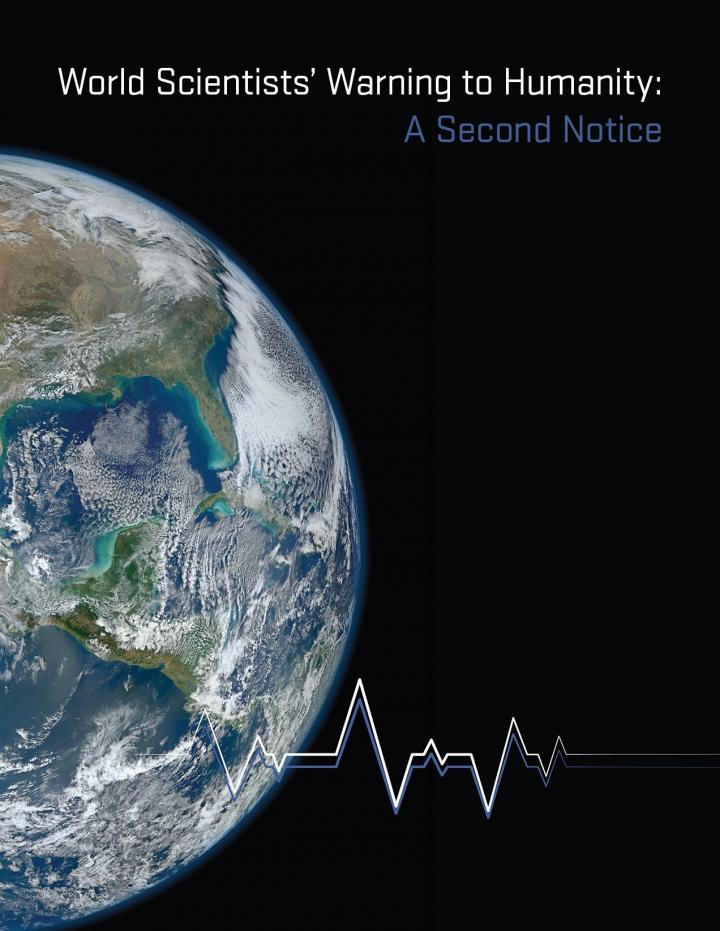
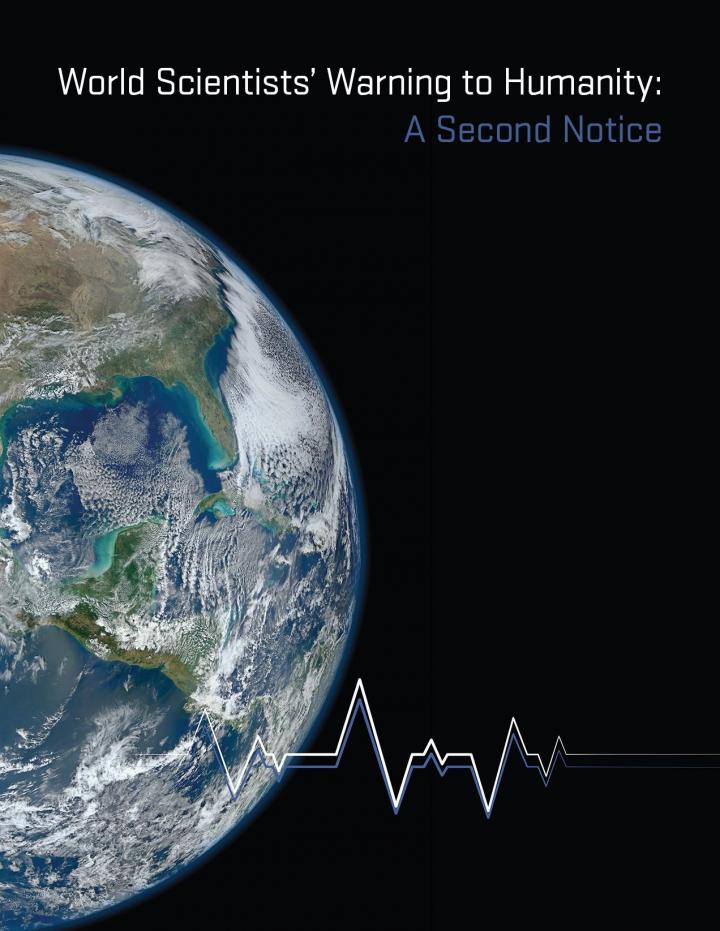
IMAGE

Credit: Oliver Day, Oregon State University

Twenty-five years after the first 'scientists' warning to humanity', a new report is continuing to gain momentum and is already the one of the most talked about papers globally since Altmetric records began.

The paper, World scientists' warning to humanity: A second notice, has prompted speeches about the research in Israel's Knesset and Canada's BC Legislature, with signatories increasing with the specially formed Alliance of World Scientists.

The latest translation includes Polish, with universities set to discuss the recommendations later this month and a push by the University of Silesia for city-wide implementation.

Co-author at the University of Sydney Dr Thomas Newsome has helped the report go viral, which has prompted almost 9,000 Tweets. The paper is inspiring responses such as the publication of a friendly satirical high-profile "final warning".

The paper's cumulative score is currently in sixth place out of more than 9 million publications, since Altmetric started tracking attention to research more than six years ago.

Three letters in comment, as well as a response companion piece by the Warning authors publishes today in the peer-reviewed journal BioScience.

The response piece, "Role of Scientists' Warning in shifting policy from growth to conservation economy", highlights two key areas for action in policy and science:

    1. Nobel Prize in Economics incorporating the limits of the biosphere – The Economic Sciences Prize Committee should give greater weight to externalised environmental limits.

    2. Carbon pricing globally – already implemented or planned by some 42 countries and 25 states, provinces and cities but there is an urgent need for higher carbon prices.

"There are critical environmental limits to resource-dependent economic growth," the authors state.

Lead author of the warning letter and new response paper, ecology Professor William Ripple at Oregon State University said: "Our scientists' warning to humanity has clearly struck a chord with both the global scientific community and the public."

The "second notice" warning paper has received an additional 4,500+ endorsements by scientists since it published in November 2017.

There are now approximately 20,000 expert endorsements and/or co-signatories to the paper online; signatures and donations are encouraged at scientistswarning.forestry.oregonstate.edu/. Updates continue from co-author @NewsomeTM on Twitter.

The paper's Altmetric of about 7100 is gaining ground on the top paper for 2016, former United States President Barack Obama's review of the healthcare system, which accumulated a score of 8063 in four months; most of the top 100 of all time have an Altmetric below 6000.

###

Media Contact

Vivienne Reiner
[email protected]
61-438-021-390
@SydneyUni_Media

http://www.usyd.edu.au/

Related Journal Article

http://dx.doi.org/10.1093/biosci/biy009
Share12Tweet8Share2ShareShareShare2

Related Posts

Florida Cane Toad: Complex Spread and Selective Evolution

Florida Cane Toad: Complex Spread and Selective Evolution

February 7, 2026
New Study Uncovers Mechanism Behind Burn Pit Particulate Matter–Induced Lung Inflammation

New Study Uncovers Mechanism Behind Burn Pit Particulate Matter–Induced Lung Inflammation

February 6, 2026

DeepBlastoid: Advancing Automated and Efficient Evaluation of Human Blastoids with Deep Learning

February 6, 2026

Navigating the Gut: The Role of Formic Acid in the Microbiome

February 6, 2026
Please login to join discussion

POPULAR NEWS

  • Robotic Ureteral Reconstruction: A Novel Approach

    Robotic Ureteral Reconstruction: A Novel Approach

    82 shares
    Share 33 Tweet 21
  • Digital Privacy: Health Data Control in Incarceration

    63 shares
    Share 25 Tweet 16
  • Study Reveals Lipid Accumulation in ME/CFS Cells

    57 shares
    Share 23 Tweet 14
  • Breakthrough in RNA Research Accelerates Medical Innovations Timeline

    53 shares
    Share 21 Tweet 13

About

We bring you the latest biotechnology news from best research centers and universities around the world. Check our website.

Follow us

Recent News

Decoding Prostate Cancer Origins via snFLARE-seq, mxFRIZNGRND

Digital Health Perspectives from Baltic Sea Experts

Florida Cane Toad: Complex Spread and Selective Evolution

Subscribe to Blog via Email

Enter your email address to subscribe to this blog and receive notifications of new posts by email.

Join 73 other subscribers
  • Contact Us

Bioengineer.org © Copyright 2023 All Rights Reserved.

Welcome Back!

Login to your account below

Forgotten Password?

Retrieve your password

Please enter your username or email address to reset your password.

Log In
No Result
View All Result
  • Homepages
    • Home Page 1
    • Home Page 2
  • News
  • National
  • Business
  • Health
  • Lifestyle
  • Science

Bioengineer.org © Copyright 2023 All Rights Reserved.