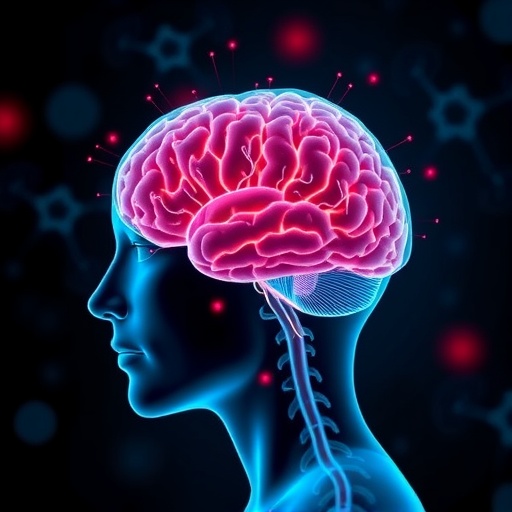
A groundbreaking study from the University of California, San Francisco (UCSF) has unveiled a sophisticated molecular mechanism through which physical exercise fortifies the blood-brain barrier (BBB), thereby enhancing cognitive performance and mitigating age-related neurological decline. This work, published in the high-impact journal Cell on February 18, dissects the interplay between liver-derived enzymatic activity and cerebral vascular integrity, offering novel insights into the systemic regulation of brain aging.
Central to this discovery is the enzyme glycosylphosphatidylinositol-specific phospholipase D1 (GPLD1), previously identified by UCSF researchers as a factor elevated in the liver following exercise. Despite GPLD1’s inability to directly cross the BBB and penetrate the brain parenchyma, the enzyme exerts a profound neuroprotective effect. The current investigation elucidates that GPLD1 modulates the brain’s vascular interface indirectly, engaging with a crucial brain endothelial cell surface protein known as tissue-nonspecific alkaline phosphatase (TNAP).
The BBB is a highly selective, semipermeable border of endothelial cells that shields the central nervous system from harmful substances circulating in the bloodstream. However, with advancing age, the BBB’s structural and functional integrity deteriorates due to protein dysregulation and cellular senescence, permitting neurotoxic molecules to infiltrate cerebral tissue. This leakage provokes chronic neuroinflammation, which has been strongly linked to cognitive impairment and the pathogenesis of neurodegenerative conditions such as Alzheimer’s disease.
The UCSF team demonstrated that TNAP accumulates aberrantly on the luminal surface of BBB-forming endothelial cells in aged mice, exacerbating vascular permeability. TNAP, a membrane-bound enzyme, contributes to this pathological leakage by altering the biochemical environment critical for tight junction stability and barrier function. Remarkably, exercise-induced GPLD1 targets TNAP in a highly specific manner, catalytically cleaving it from the cell surface and thereby restoring BBB integrity.
Employing genetically engineered murine models, the researchers manipulated TNAP levels to scrutinize its functional significance. Overexpression of TNAP in young mice precipitated cognitive deficits reminiscent of aged phenotypes, underscoring its detrimental role. Conversely, selective reduction of TNAP in aged mice via molecular genetic techniques reversed BBB permeability and diminished cerebral inflammation, translating into improved performance in memory and learning assessments.
This enzymatic crosstalk between peripheral liver function and the cerebral vasculature exemplifies the emerging concept of systemic contributions to brain health. It suggests that interventions aimed at modulating systemic enzymatic profiles, potentially through pharmacological mimetics of exercise or targeted protein modification, could offer promising avenues for the treatment of age-associated cognitive decline.
Notably, the study highlights the possibility of therapeutic targeting beyond the neural milieu, emphasizing the vascular interface as a critical nexus in neurodegeneration. By focusing on TNAP cleavage mechanisms, future drug development could devise novel molecules capable of reinstating the selective permeability of the BBB even in advanced age, offering a paradigm shift from conventional approaches that predominantly target neuronal protein aggregates.
The UCSF research collective, led by Saul Villeda, PhD, unfolded the multilayered biological narrative by integrating bioinformatics analyses of cell surface proteomes with in vitro enzymatic assays confirming GPLD1’s substrate specificity. This multifaceted methodology substantiates the claim that among multiple candidate proteins, TNAP uniquely undergoes cleavage, thereby acting as the linchpin in exercise-mediated cerebrovascular rejuvenation.
Crucially, this study propounds that it is never too late to harness beneficial molecular pathways to combat neurological deterioration. The team’s success in restoring BBB function and cognitive faculties in aged mice bears translational potential, encouraging the development of late-intervention therapies that can modify disease trajectories in elderly populations.
The implications of this research extend to public health and preventive medicine, reinforcing the advisory that physical exercise serves not only cardiovascular and metabolic functions but also acts as a pivotal modulator of neurovascular health. The enzymatic paradigm uncovered by UCSF paves the way for further exploration into systemic regulators of brain aging, potentially redefining therapeutic strategies for dementia and other neurodegenerative ailments.
Funding from distinguished institutions such as the National Institutes of Health, the Simons Foundation, and the Bakar Family Foundation underscores the scientific rigor and collaborative spirit supporting this endeavor. This foundational work calls for expanded research efforts to decode peripheral-to-central signaling pathways that influence neurological resilience and longevity.
In sum, the UCSF study presents a compelling biological narrative: exercise induces hepatic production of GPLD1, which enzymatically trims TNAP from brain endothelial cells, restoring BBB integrity, reducing inflammation, and ultimately preserving cognitive function. This discovery not only elucidates a critical link between body and brain aging but also ignites hope for novel, systemic interventions against some of the most devastating brain disorders of our time.
Subject of Research: The interaction between exercise-induced liver proteins and the blood-brain barrier to prevent cognitive decline.
Article Title: Exercise-Induced Liver Enzyme GPLD1 Enhances Blood-Brain Barrier Integrity and Cognitive Function by Cleaving TNAP.
News Publication Date: February 18, 2024.
Web References: UCSF official website (https://ucsf.edu), Cell journal publication.
References: Villeda, S. et al. (2024). “Exercise-induced liver enzyme GPLD1 modulates blood-brain barrier function through TNAP cleavage.” Cell. DOI: [to be accessed via journal].
Keywords: Physical exercise, blood-brain barrier, GPLD1, TNAP, cognitive decline, neuroinflammation, Alzheimer’s disease, aging, liver-brain axis, brain vasculature, enzymatic cleavage, neuroprotection.
Tags: age-related neurological decline preventionblood-brain barrier protectionbrain endothelial cell functionchronic neuroinflammation and cognitionexercise and brain healthglycosylphosphatidylinositol-specific phospholipase D1GPLD1 enzyme and cognitionliver-brain communication in agingmolecular mechanisms of exercise benefitsneurovascular integrity and exercisesystemic regulation of brain agingtissue-nonspecific alkaline phosphatase role