• HOME
  • NEWS
  • EXPLORE
    • CAREER
      • Companies
      • Jobs
    • EVENTS
    • iGEM
      • News
      • Team
    • PHOTOS
    • VIDEO
    • WIKI
  • BLOG
  • COMMUNITY
    • FACEBOOK
    • INSTAGRAM
    • TWITTER
Saturday, February 7, 2026
BIOENGINEER.ORG
No Result
View All Result
  • Login
  • HOME
  • NEWS
  • EXPLORE
    • CAREER
      • Companies
      • Jobs
        • Lecturer
        • PhD Studentship
        • Postdoc
        • Research Assistant
    • EVENTS
    • iGEM
      • News
      • Team
    • PHOTOS
    • VIDEO
    • WIKI
  • BLOG
  • COMMUNITY
    • FACEBOOK
    • INSTAGRAM
    • TWITTER
  • HOME
  • NEWS
  • EXPLORE
    • CAREER
      • Companies
      • Jobs
        • Lecturer
        • PhD Studentship
        • Postdoc
        • Research Assistant
    • EVENTS
    • iGEM
      • News
      • Team
    • PHOTOS
    • VIDEO
    • WIKI
  • BLOG
  • COMMUNITY
    • FACEBOOK
    • INSTAGRAM
    • TWITTER
No Result
View All Result
Bioengineer.org
No Result
View All Result
Home NEWS Science News Health

Scientists prove SARS-CoV-2 potential to infect human brain organoids

Bioengineer by Bioengineer
August 25, 2020
in Health
Reading Time: 2 mins read
0
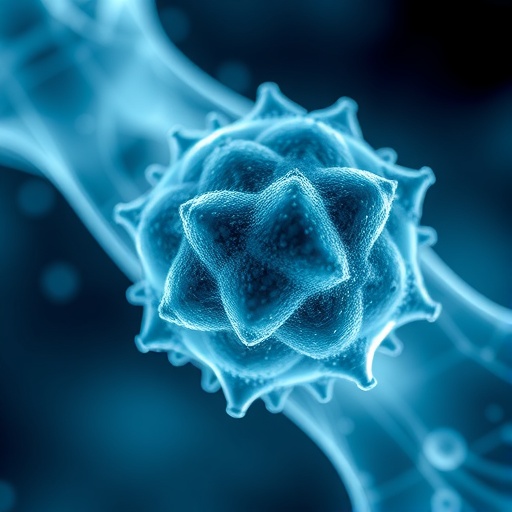
IMAGE
Share on FacebookShare on TwitterShare on LinkedinShare on RedditShare on Telegram

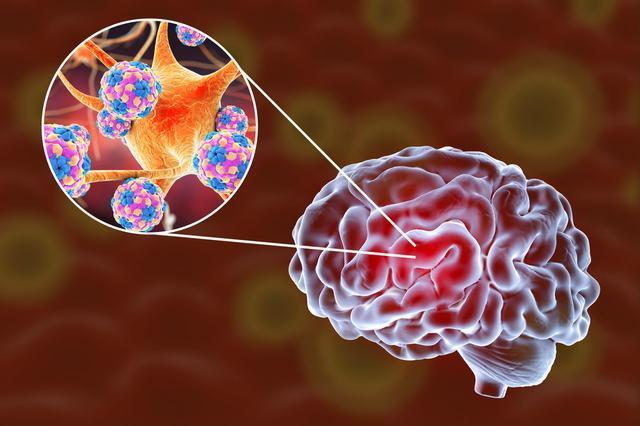
IMAGE

Credit: SIAT

SARS-CoV-2 can infect human neural progenitor cells and brain organoids, as shown by researchers from the Shenzhen Institutes of Advanced Technology (SIAT) of the Chinese Academy of Sciences and their collaborators from The University of Hong Kong (HKU).

Their study was published in Cell Research on August 4.

Coronavirus disease 2019 (COVID-19) is caused by SARS-CoV-2, also known as the novel severe acute respiratory syndrome coronavirus 2. Over 17 million confirmed cases of COVID-19 and more than 686,703 associated deaths have been reported across 218 countries and geographical regions as of August 3.

This novel coronavirus primarily causes respiratory illness with clinical manifestations largely resembling those of SARS. However, neurological symptoms including headache, anosmia, ageusia, confusion, seizure and encephalopathy have also been frequently reported in COVID-19 patients.

A study of 214 hospitalized COVID-19 patients in Wuhan reported that 36.4% of all patients and 45.5% of severe cases had neurologic symptoms. In addition, studies from France and Germany have revealed that 84.5% and 36.4%, respectively, of COVID-19 patients had viral infections in the brain.

However, there has been no direct experimental evidence of SARS-CoV-2 infection in the human central nervous system (CNS).

To explore the direct involvement of SARS-CoV-2 in the CNS in physiologically relevant models, the research team assessed SARS-CoV-2 infection in human neural progenitor cells (hNPCs), neurospheres and brain organoids derived from induced pluripotent stem cells (iPSCs).

The results demonstrated that iPSC-derived hNPCs were permissive to SARS-CoV-2 infection, but not SARS-CoV infection. Extensive protein expression and infectious viral particles were detected in neurospheres and brain organoids infected with SARS-CoV-2, which suggested SARS-CoV-2 could productively infect the human brain.

Importantly, SARS-CoV-2 infection in 3D human brain organoids was localised to TUJ1 (neuronal marker) – and NESTIN (NPC marker)-positive cells, suggesting SARS-CoV-2 could directly target cortical neurons and NPCs.

“Overall, our study provides the first evidence of direct SARS-CoV-2 infection in human brain organoids, which contributes to our understanding of the pathogenesis of neurological complications in COVID-19,” said Prof. HUANG Jiandong from HKU, who led the study.

The research team suggested that chronic and long-term consequences of SARS-CoV-2 infection of the CNS should be closely monitored.

###

Media Contact
ZHANG Xiaomin
[email protected]

Related Journal Article

http://dx.doi.org/10.1038/s41422-020-0390-x

Tags: BiologyCell BiologyneurobiologyVirology
Share13Tweet8Share2ShareShareShare2

Related Posts

Oxygen-Enhanced Dual-Section Microneedle Patch Improves Drug Delivery and Boosts Photodynamic and Anti-Inflammatory Treatment for Psoriasis

February 7, 2026

Scientists Identify SARS-CoV-2 PLpro and RIPK1 Inhibitors Showing Potent Synergistic Antiviral Effects in Mouse COVID-19 Model

February 7, 2026

Neg-Entropy: The Key Therapeutic Target for Chronic Diseases

February 7, 2026

Multidisciplinary Evidence-Based Guidelines for Therapeutic Drug Monitoring of Biologics in Inflammatory Bowel Disease

February 7, 2026
Please login to join discussion

POPULAR NEWS

  • Robotic Ureteral Reconstruction: A Novel Approach

    Robotic Ureteral Reconstruction: A Novel Approach

    82 shares
    Share 33 Tweet 21
  • Digital Privacy: Health Data Control in Incarceration

    63 shares
    Share 25 Tweet 16
  • Study Reveals Lipid Accumulation in ME/CFS Cells

    57 shares
    Share 23 Tweet 14
  • Breakthrough in RNA Research Accelerates Medical Innovations Timeline

    53 shares
    Share 21 Tweet 13

About

We bring you the latest biotechnology news from best research centers and universities around the world. Check our website.

Follow us

Recent News

Oxygen-Enhanced Dual-Section Microneedle Patch Improves Drug Delivery and Boosts Photodynamic and Anti-Inflammatory Treatment for Psoriasis

Scientists Identify SARS-CoV-2 PLpro and RIPK1 Inhibitors Showing Potent Synergistic Antiviral Effects in Mouse COVID-19 Model

Neg-Entropy: The Key Therapeutic Target for Chronic Diseases

Subscribe to Blog via Email

Enter your email address to subscribe to this blog and receive notifications of new posts by email.

Join 73 other subscribers
  • Contact Us

Bioengineer.org © Copyright 2023 All Rights Reserved.

Welcome Back!

Login to your account below

Forgotten Password?

Retrieve your password

Please enter your username or email address to reset your password.

Log In
No Result
View All Result
  • Homepages
    • Home Page 1
    • Home Page 2
  • News
  • National
  • Business
  • Health
  • Lifestyle
  • Science

Bioengineer.org © Copyright 2023 All Rights Reserved.