In a groundbreaking leap for neuroscience and Parkinson’s disease treatment, a multinational team of researchers has uncovered the neurological foundation of this disabling disorder with unprecedented precision. Their study, recently published in Nature, identifies a specific brain network, the somato-cognitive action network (SCAN), as the central hub linking cognition with movement and the primary neural correlate of Parkinson’s disease. This discovery fundamentally redefines our understanding of Parkinson’s as not merely a motor disorder focused on the basal ganglia but as a disorder deeply rooted in the dysfunctional connectivity of a broader brain circuit.
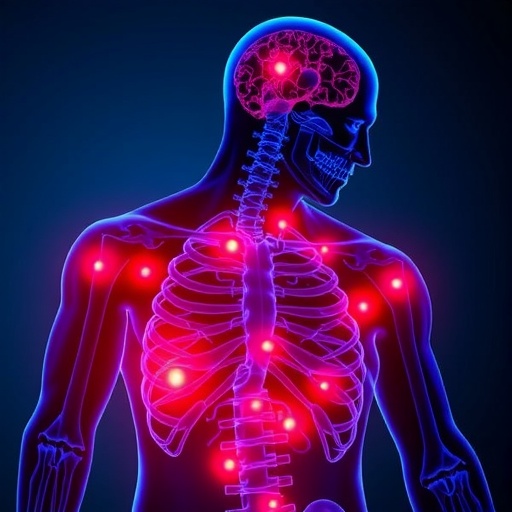
Parkinson’s disease, affecting over a million individuals in the United States alone and millions more worldwide, manifests with symptoms ranging from tremors and motor impairments to cognitive decline, sleep disturbances, and motivational deficits. Traditionally, therapies have targeted symptomatic relief, typically through life-long pharmacological regimens or deep brain stimulation (DBS), which employs invasive electrode implantation. However, while alleviating some symptoms, these approaches fall short of halting or reversing disease progression. The new study shifts the paradigm by pinpointing the SCAN as the neurological epicenter and offering innovative, non-invasive therapeutic options.
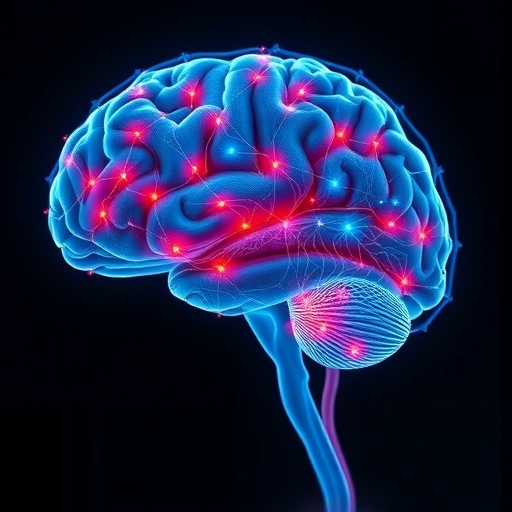
The SCAN, first described by researchers at Washington University School of Medicine in 2023, resides within the motor cortex — the brain’s command center for voluntary movement. This network is crucial for transforming cognitive action plans into physical movements while simultaneously integrating sensory feedback to refine execution. Given the complexity and multifaceted symptoms of Parkinson’s, researchers hypothesized that SCAN dysfunction might explain the broader symptom spectrum beyond motor control, encompassing cognitive and autonomic functions.
To test this hypothesis, the research consortium led by Changping Laboratory in China collaborated closely with Washington University in St. Louis and other institutions. They amassed brain imaging data from more than 800 participants, spanning different therapeutic modalities including DBS, transcranial magnetic stimulation (TMS), focused ultrasound, and pharmacological treatments, alongside healthy controls and individuals with other movement disorders. This large dataset enabled a comprehensive network analysis that revealed Parkinson’s-related pathology as characterized by an aberrant hyperconnectivity between SCAN and the brain’s subcortical regions while other neurodegenerative disorders did not demonstrate this pattern.
The hyperconnectivity between SCAN and subcortical structures — areas responsible for emotion, memory, and motor regulation — disrupts the normal orchestration of motor and cognitive functions that Parkinson’s patients suffer. This abnormal neural wiring does not only cause the classic motor impairments traditionally linked to Parkinson’s but also impairs associated cognitive processes and bodily functions, broadening the disease’s impact beyond prior conceptions. This insight reconceptualizes Parkinson’s as a disorder of broader somato-cognitive network dysfunction rather than isolated basal ganglia pathology.
Building on these insights, researchers devised a highly precise neuromodulation strategy leveraging advanced TMS technology. This non-invasive technique applies targeted magnetic pulses across the scalp to modulate neuronal activity with millimeter spatial accuracy. In clinical trials, transcranial magnetic stimulation focused specifically on SCAN regions more than doubled symptom improvement compared to stimulation of adjacent brain areas not directly associated with the network. Over two weeks, 56% of patients who received SCAN-targeted TMS exhibited meaningful clinical improvement, a compelling contrast to the 22% response rate in the control group.
The implications of these findings are profound; they demonstrate for the first time that precision neuromodulation of a finely defined network can markedly enhance therapeutic efficacy in Parkinson’s treatment while avoiding the risks of surgical interventions like DBS. Moreover, because TMS is non-invasive, it opens avenues for earlier intervention in the disease course, potentially slowing or even reversing progression rather than solely managing symptoms in advanced stages.
This discovery is just the beginning. Researchers underscore the need for further basic and translational studies to elucidate how distinct SCAN components relate to specific Parkinsonian symptoms. Such dissected understanding will pave the way for even more specialized and personalized interventions that can address the heterogeneous clinical presentations of Parkinson’s disease. The team is actively planning additional clinical trials employing other cutting-edge neuromodulation methods, such as low-intensity focused ultrasound, which uses acoustic energy to remotely and non-invasively modulate brain circuitry.
Further advancing clinical possibilities, co-author Dr. Nico Dosenbach, a co-founder of Turing Medical — a startup spun out of Washington University — is developing surface electrode strip technologies for targeted neuromodulation of SCAN regions to improve gait dysfunction in Parkinson’s. Partnering novel technology development with translational clinical research reflects a paradigm of precision medicine aiming for high-impact, scalable, and patient-friendly therapies.
This landmark study exemplifies how the convergence of multi-institutional collaboration, advanced neuroimaging, network neuroscience, and innovative therapeutic technologies can break new ground in understanding and treating complex neurological diseases. By reframing Parkinson’s disease as a disorder of the somato-cognitive action network, the researchers have opened an exciting new chapter that promises to transform future management strategies and offer renewed hope for millions worldwide.
Subject of Research: People
Article Title: Parkinson’s disease as a somato-cognitive action network disorder
News Publication Date: 4-Feb-2026
Web References: DOI: 10.1038/s41586-025-10059-1
References:
Ren J, Zhang W, Dahmani L, Gordon EM, Li S, Zhou Y, Long Y, Huang J, Zhu Y, Guo N, Jiang C, Zhang F, Bai Y, Wei W, Wu Y, Bush A, Vissani M, Wei L, Oehrn CR, Morrison MA, Zhu Y, Zhang C, Hu Q, Yin Y, Cui W, Fu X, Zhang P, Wang W, Ji GJ, Wang K, Wang Z, Kimberley T, Little S, Starr PA, Richardson RM, Li L, Wang M, Wang D, Dosenbach NUF, Liu H. Parkinson’s disease as a somato-cognitive action network disorder. Nature. Feb. 4, 2026.
Image Credits: Sara Moser/WashU Medicine
Keywords: Parkinson’s disease, Neurological disorders, Neurology, Brain stimulation
Tags: brain network identificationcognitive and motor dysfunctioncognitive decline in Parkinson’sdeep brain stimulation alternativesinnovative treatment optionsmotor impairments and therapymultidisciplinary research in neurologyneurological disorders and connectivityneuroscience breakthroughsnon-invasive therapies for Parkinson’sParkinson’s disease researchsomato-cognitive action network