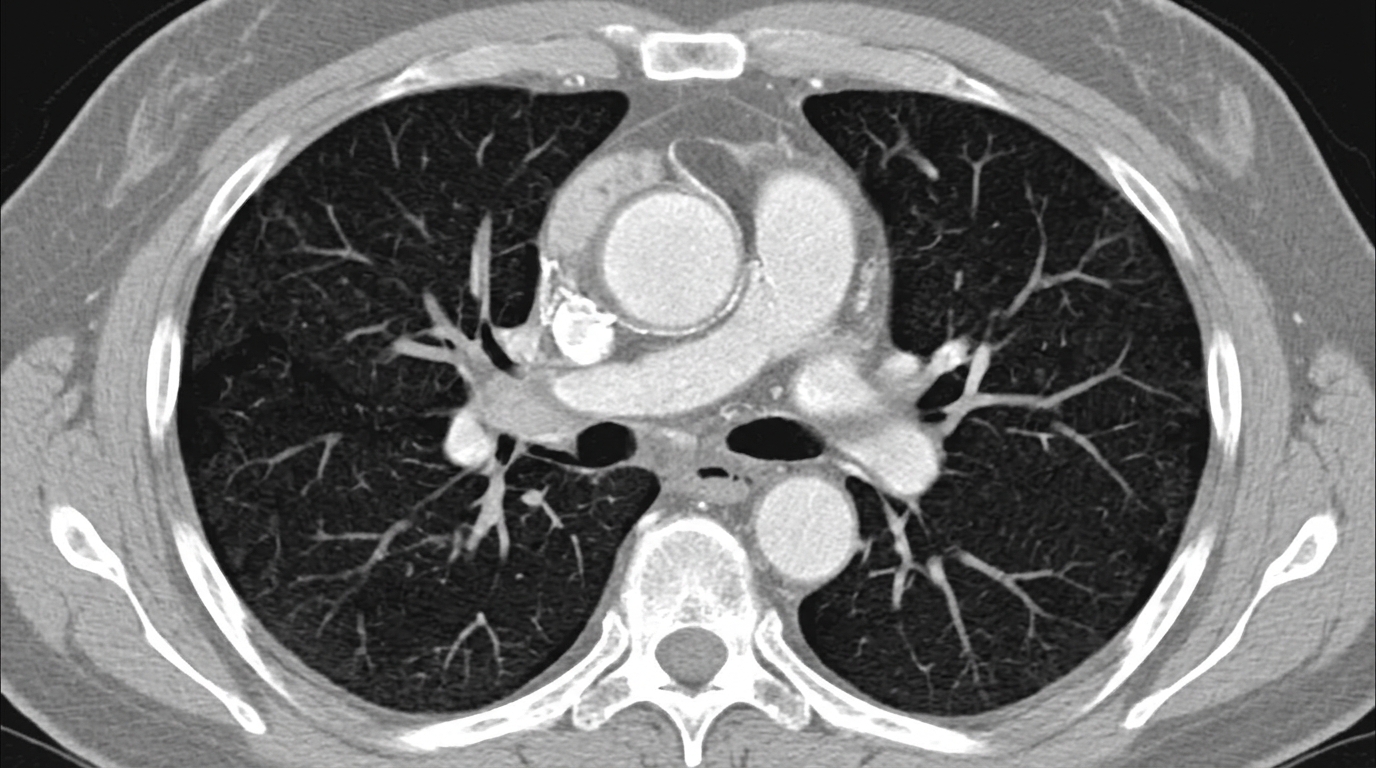
A retrospective cohort study published in the Journal of Cardiothoracic Surgery indicates that the systemic coagulation-inflammation index, or SCI, serves as a moderate predictor of adverse outcomes in patients undergoing treatment for acute type A aortic dissection. Researchers evaluated the index to determine its clinical utility in perioperative risk stratification, specifically assessing whether preoperative inflammatory and coagulation profiles could identify individuals most likely to show differences in postoperative outcomes following anti-inflammatory therapy with ulinastatin.
The clinical investigation analyzed medical records from a consecutive cohort of 339 patients diagnosed with acute type A aortic dissection. Investigators stratified the cohort into two risk categories using a predefined SCI threshold of 40. Patients with an index below 40 were assigned to the high-risk group, which comprised 233 individuals, whereas those presenting with an index of 40 or greater formed the low-risk group, totaling 106 individuals. This stratification formed the basis for evaluating baseline disease severity and postoperative recovery trajectories across both patient cohorts.
According to the reported findings, patients categorized in the high-risk group exhibited significantly more severe systemic inflammation and organ dysfunction compared to low-risk participants. Before surgical intervention, high-risk patients experienced significantly higher rates of systemic inflammatory response syndrome, with statistical testing showing a P value of 0.012. Furthermore, the cumulative incidence of systemic inflammatory response syndrome within the first seven days following surgery remained significantly higher among the high-risk individuals, yielding a P value of 0.015 between the two groups.
Organ dysfunction was systematically monitored using the daily total modified Sequential Organ Failure Assessment score. High-risk patients demonstrated a significantly higher mean daily total modified score, recording a median value of 6.5 with an interquartile range of 4.1 to 9.0. In comparison, individuals in the low-risk group recorded a mean daily score with a median of 3.7 and an interquartile range of 2.7 to 6.0, reflecting a statistically significant difference with a P value of less than 0.001.
Administration of the anti-inflammatory agent ulinastatin was associated with reduced rates of systemic inflammatory response syndrome across both risk groups, with statistical significance established at a P value of less than 0.001. However, high-risk patients exhibited more pronounced and earlier differences in organ dysfunction. Specifically, ulinastatin use in the high-risk cohort corresponded to a lower rate of systemic inflammatory response syndrome immediately after surgery, with a P value of 0.005. These patients also demonstrated a lower mean daily modified assessment score on postoperative day one, with a P value of 0.038, alongside a lower mean daily cardiovascular score, reflecting a P value of 0.008.
To assess independent relationships, the investigators performed multivariable linear regression within the high-risk cohort while adjusting for potential confounding factors. This analysis demonstrated that ulinastatin use was independently associated with a lower cardiovascular score on the Sequential Organ Failure Assessment scale, with a P value of less than 0.001. A formal interaction analysis confirmed that the therapeutic association varied significantly by risk category, yielding a P value for interaction of 0.029, alongside an exploratory mediation analysis. The authors concluded that the systemic coagulation-inflammation index offers moderate predictive value and may serve as an effective risk stratification tool for targeted anti-inflammatory management.
Subject of Research: Risk stratification using the systemic coagulation-inflammation index in acute type A aortic dissection
Article Title: SCI index-based risk stratification for anti-inflammatory therapy in acute type a aortic dissection
Article References: Wang, Q.-Y., Liu, H., & Shao, Y.-F. (2026). SCI index-based risk stratification for anti-inflammatory therapy in acute type a aortic dissection. Journal of Cardiothoracic Surgery. https://doi.org/10.1186/s13019-026-04812-4
Image Credits: AI Generated
DOI: 10.1186/s13019-026-04812-4
Keywords: acute type A aortic dissection, systemic coagulation-inflammation index, SCI index, ulinastatin, anti-inflammatory therapy, Sequential Organ Failure Assessment, SOFA score, systemic inflammatory response syndrome, SIRS, cardiovascular dysfunction, perioperative risk stratification, retrospective cohort study, cardiothoracic surgery, multivariable linear regression, interaction analysis, organ dysfunction
News Source: Ophelia Keating. (November 18, 2026). SCI Index Moderately Predicts Adverse Outcomes in Acute Type A Aortic Dissection. Scienmag.